

 GMA Brandtalk
 Tracking
 Archives

Remdesivir cut COVID-19 recovery time by 5 days; Coronavirus rarely travels from mother to newborn
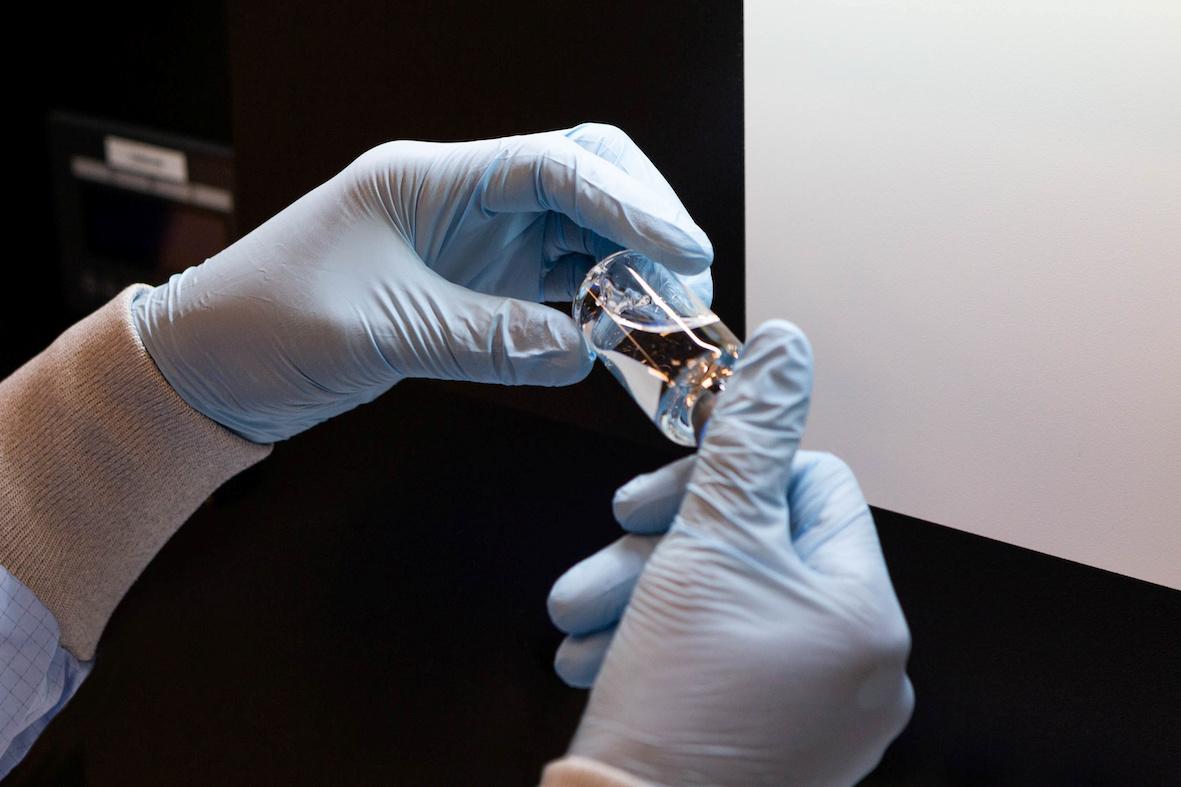
Final data from a large study of Gilead Sciences Inc's antiviral drug remdesivir showed the treatment cut COVID-19 recovery time by five days among hospitalized patients, one day faster than preliminary data had indicated, researchers reported on Thursday in The New England Journal of Medicine.
The 1,062-patient study compared up to up to 10 days of therapy with remdesivir - now sold in some markets as Veklury - to a placebo.
The average recovery time was 10 days among those who got the Gilead drug versus 15 days in the placebo group.
Among patients requiring oxygen at the start, those taking remdesivir continued to need oxygen for an average of 13 days, compared to 21 days for patients who got a placebo.
In a separate analysis looking just at patients who received oxygen, the drug appeared to reduce the risk of death over the next month by 70%.
"We now have data suggesting that giving remdesivir to patients on oxygen may significantly reduce their chances of death compared to other subgroups," Dr. Andre Kalil, an infectious disease expert at the University of Nebraska Medical Center and the study's lead investigator, said in a news release.
Coronavirus rarely travels from mother to newborn
Transmission of the new coronavirus from mothers to newborns is rare, doctors from New York-Presbyterian/Columbia University Irving Medical Center reported on Monday in JAMA Pediatrics.
They studied 101 babies born to 100 mothers with COVID-19, including 10 whose mothers had been severely ill.
Almost all of the babies tested negative for the virus, while tests in two newborns had indeterminate results.
If these two indeterminate results are considered positive, the overall incidence of transmission was 2.0%. Even with a 2% transmission rate, "none of our babies exhibited clinical symptoms of COVID-19, either during their newborn nursery stay or during ... the first few weeks of life," coauthor Dr. Dani Dumitriu told Reuters Health by email. Roughly 90% of the newborns were breastfed at least partially.
"As the country heads into what looks like a second wave of the COVID-19 pandemic, it is important to know that separation of affected mothers from their newborns may not be warranted, and direct breastfeeding appears to be safe," study coauthor Dr. Melissa Stockwell said. -- Reuters

