

 GMA Brandtalk
 Tracking
 Archives

Pandemic exacts toll on ER doctors' mental health; Heart failure history adds to risks for COVID-19 patients
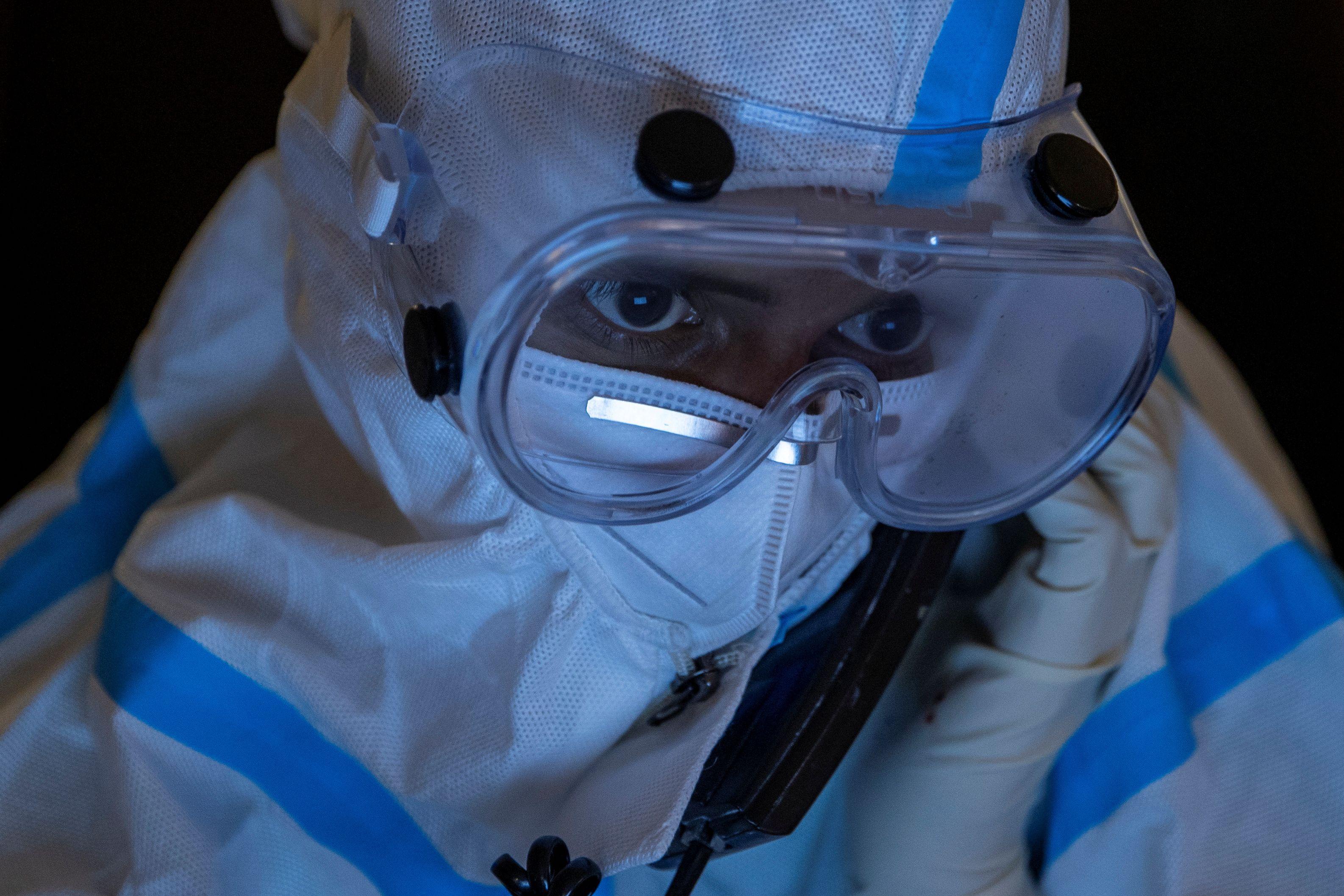
The coronavirus disease (COVID-19) is taking a toll on emergency physicians' mental health and many are reluctant to seek help, according to poll results reported at the American College of Emergency Physicians (ACEP) annual meeting.
Among a nationally representative group of 862 US emergency physicians, 87% reported feeling more stressed since the pandemic began and 72% reported more burnout.
More than 80% cited concern for their own health and safety, and the safety of their family and friends, around contracting COVID-19.
Nearly half said they are uncomfortable seeking mental health services, 73% said there was at least some stigma to seeking these services in their workplace, and 57% said they would be concerned about their job if they sought mental health treatment.
In April, New York City emergency physician Dr. Lorna Breen died by suicide while recovering from COVID-19.
"With patients overflowing in the hallways, not enough personal protective equipment ... and minimal supplies, my sister rose to meet the challenges of COVID-19," Jennifer Breen Feist said at an ACEP news briefing. When Breen finally sought mental health treatment, her main concern was how she would be perceived at work, her sister added.
Heart failure history adds to risks for COVID-19 patients
A new study helps quantify the extra risks faced by people with heart failure and coronavirus infections severe enough to require hospitalization.
Doctors at the Mount Sinai Health System in New York City studied 6,439 hospitalized COVID-19 patients, including 422 with a history of at least one heart failure episode.
Compared to the other patients, those with a history of heart failure had longer average hospital stays (8 days vs 6 days), the doctors reported on Wednesday in the Journal of the American College of Cardiology.
After accounting for other risk factors, the heart failure patients were more than three times more likely to need mechanical ventilation and nearly twice as likely to die.
If future studies show similar patterns, the researchers conclude, doctors might need to consider using more aggressive therapies in patients with COVID-19 and a history of heart failure. -- Reuters

