

 GMA Brandtalk
 Tracking
 Archives

UK variant not causing worse illness in children; COVID-19 breath test shows promise
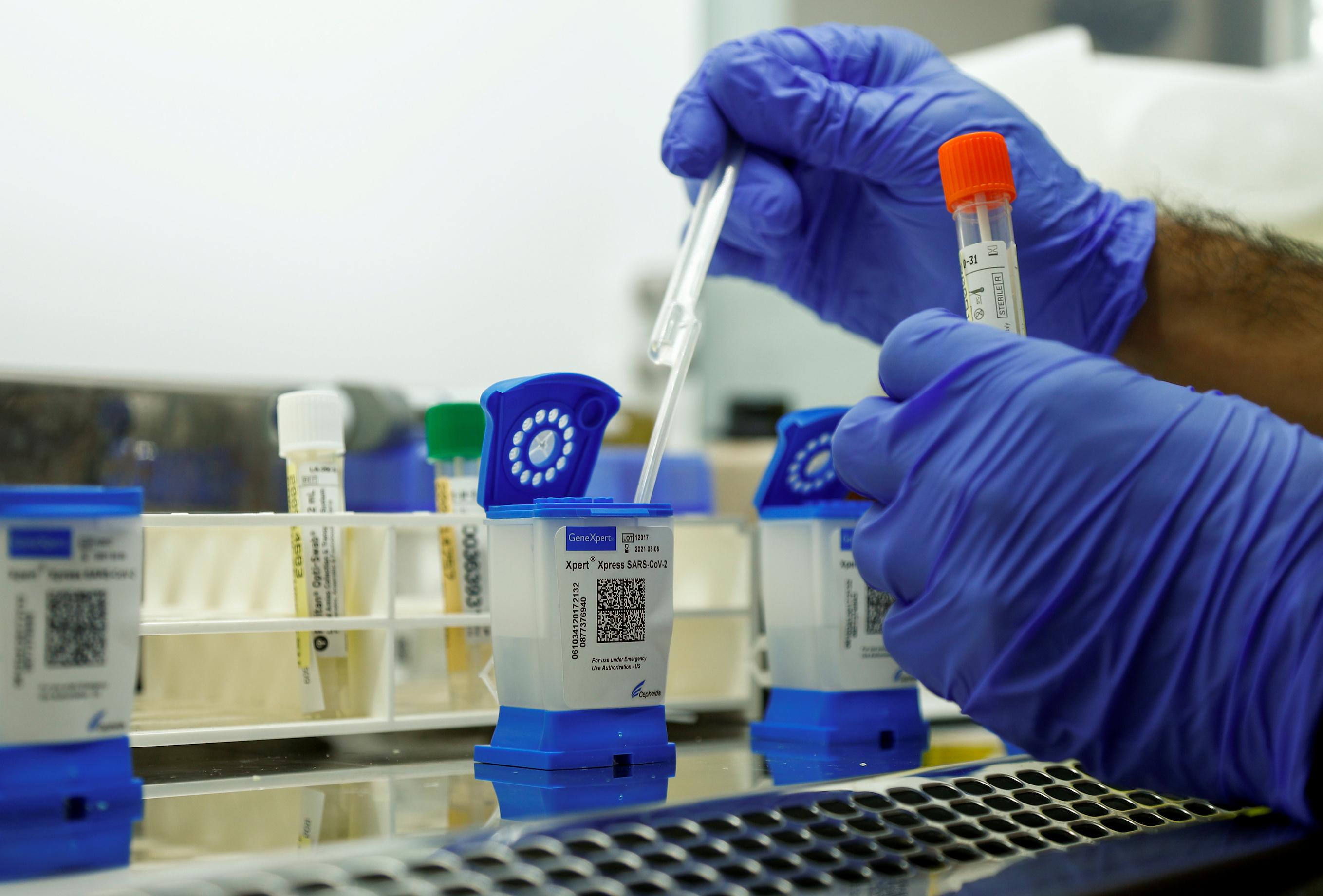
The following is a roundup of some of the latest scientific studies on the novel coronavirus and efforts to find treatments and vaccines for COVID-19, the illness caused by the virus.
UK variant not causing worse illness in children
The coronavirus variant first identified in the UK does not cause more severe disease in children than variants circulating earlier in 2020, new data suggest.
Doctors at King's College Hospital in London compared 20 children hospitalized for COVID-19 during the pandemic's first wave and 60 hospitalized during the second wave, when most infections were caused by the new variant.
While more children were hospitalized in the second wave, "this might be due to the higher prevalence of SARS-CoV-2" at the time, study leader Dr. Atul Gupta said.
The number of adult patients also increased in the second wave, he noted. Hospitalized children in both waves had similar ages, rates of underlying medical conditions, socioeconomic status and other risk factors, the researchers reported in The Lancet Child & Adolescent Health. In both periods, few needed oxygen therapy or mechanical ventilation.
Those were actually needed less often in the second wave, Gupta said. "We have found no evidence of more severe disease having occurred in children and young people during the second wave," he concluded, "suggesting that infection with the B.1.1.7 variant does not result in an appreciably different clinical course" in this age group.
COVID-19 breath test shows promise in study
A commercially available electronic "nose" manufactured by Dutch company Breathomix can tell when a person does not have COVID-19 and would be a useful screening tool, researchers have found.
They studied more than 4,500 individuals who came to coronavirus test facilities in The Netherlands between August and December 2020.
First, using breath samples from a small subset of those individuals, they taught the "eNose" what a breath profile of a COVID-19 patient looks like, "comparable with how your nose can distinguish the smell of coffee from the smell of tea," said study leader Dr. Geert Groeneveld of Leiden University Medical Center.
Later, the device was able to reliably rule out infection - with or without symptoms - in 70% to 75% of all individuals tested, with results available within seconds. In cases in which the eNose cannot reliably rule out the virus, patients can undergo traditional throat-swabbing tests.
The study results, posted on Tuesday on medRxiv ahead of peer review, "demonstrate that in a scenario where eNose is used as a screening test, this can reduce the number of throat and nasopharyngeal swabs," Groeneveld said, "which in turn can reduce the burden on individuals, economy and healthcare." -- Reuters

