

 GMA Brandtalk
 Tracking
 Archives

Full personal protective equipment can make wearers sick; Pandemic-waste plastics are threatening the planet
The following is a roundup of some of the latest scientific studies on the novel coronavirus and efforts to find treatments and vaccines for COVID-19, the illness caused by the virus.
Full personal protective equipment can make wearers sick
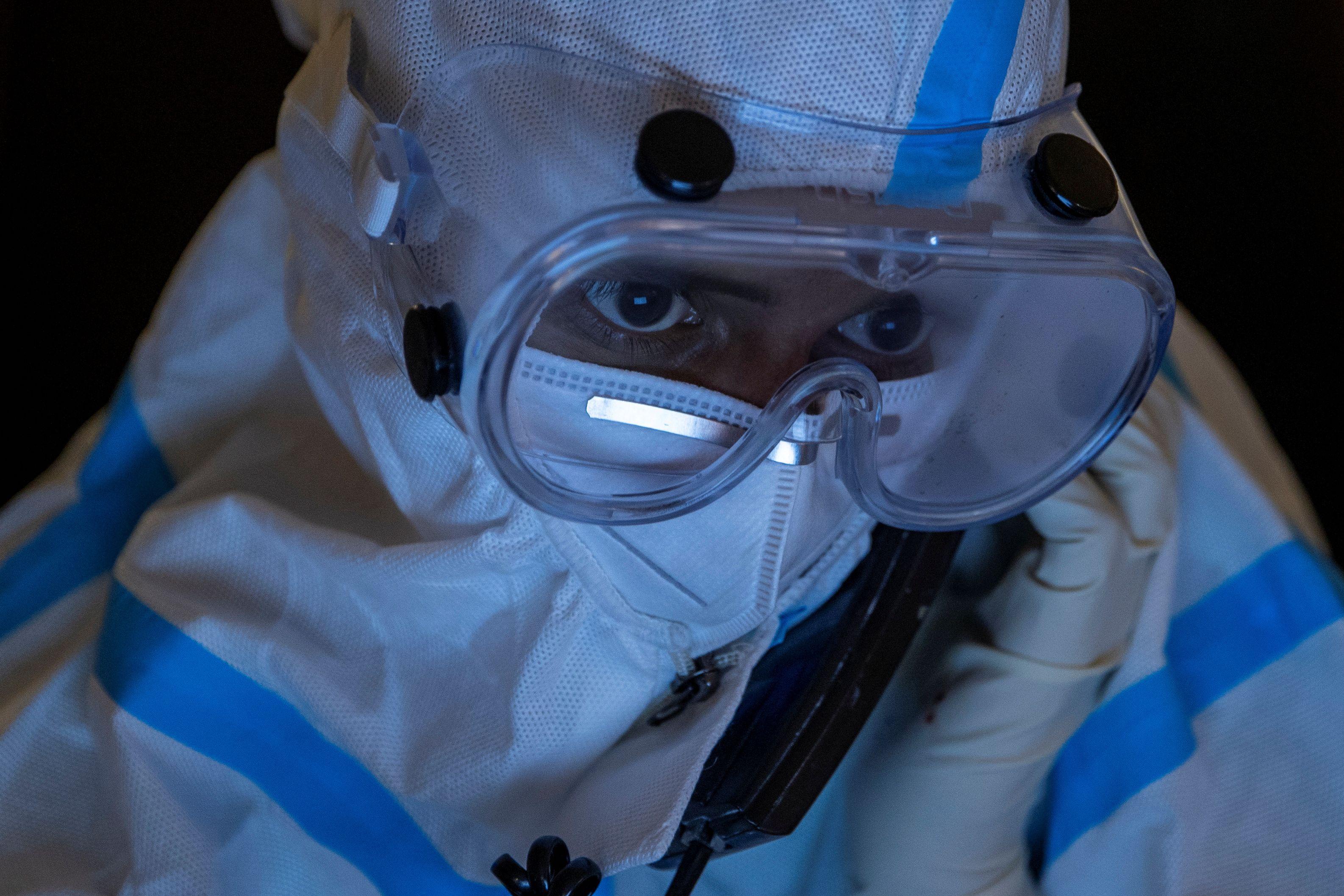
Personal protective equipment (PPE) required in operating rooms and intensive care units can make wearers sick, a small study confirms.
The findings help explain reports by clinicians of difficulty breathing, headache, and mental impairment while wearing the full protective suit that includes high quality mask, face shield and gloves, researchers said.
Among the eight surgeons who volunteered for the study, PPE impaired breathing, resulting in high blood levels of carbon dioxide and low levels of oxygen.
"Air re-breathed within the PPE mask after two hours was found to contain almost 8% carbon dioxide - 260-fold more than atmospheric levels (0.03%)," said Dr. Wyn Lewis of University Hospital of Wales in Cardiff.
The changes were significantly greater than those seen with standard operating room garments, his team reported on Saturday in the British Journal of Surgery, and can cause fluctuations in brain blood flow, shortness of breath, sweating, dizziness, nausea, mental impairment, fatigue, and headache.
Three of the surgeons experienced headaches related to altered blood flow in a major brain artery.
"These findings were observed in young, fit, doctors, posing the question of what might emerge in mature professionals with co-existing medical issues, or anyone working beyond this study's two-hour limit," Lewis said.
Pandemic-waste plastics are threatening the planet
The COVID-19 pandemic has resulted in unmanageable levels of biomedical plastic wastes, researchers warn.
Worldwide, approximately 3.4 billion single-use facemasks are generated and discarded daily.
From those alone, the amount of pandemic-related plastic waste generated during the past year is equivalent to about 1.6 million tons per day, according to a report in the journal Heliyon.
Plastic in masks, gloves, aprons, and bottles of sanitizers are overwhelming the capacity of waste management facilities worldwide, especially in developing nations, said study coauthor Nsikak Benson of Covenant University in Nigeria.
Studies have shown that the new coronavirus can survive on plastic surfaces for days, but "the overwhelming nonexistence of effective waste management facilities in developing countries implies that a large percentage of single-use plastic waste generated might end up in open dump sites," Benson said.
The report calls on governments and policy-makers to prioritize effective waste management of these contaminated plastics and to develop "robust" conservation strategies for sterilization and disinfection of surgical gowns and masks. -- Reuters

