

 GMA Brandtalk
 Tracking
 Archives

Measuring longer-lasting COVID-19 immunity feasible; Virus unlikely to insert genetic fragments into patients' genetic code
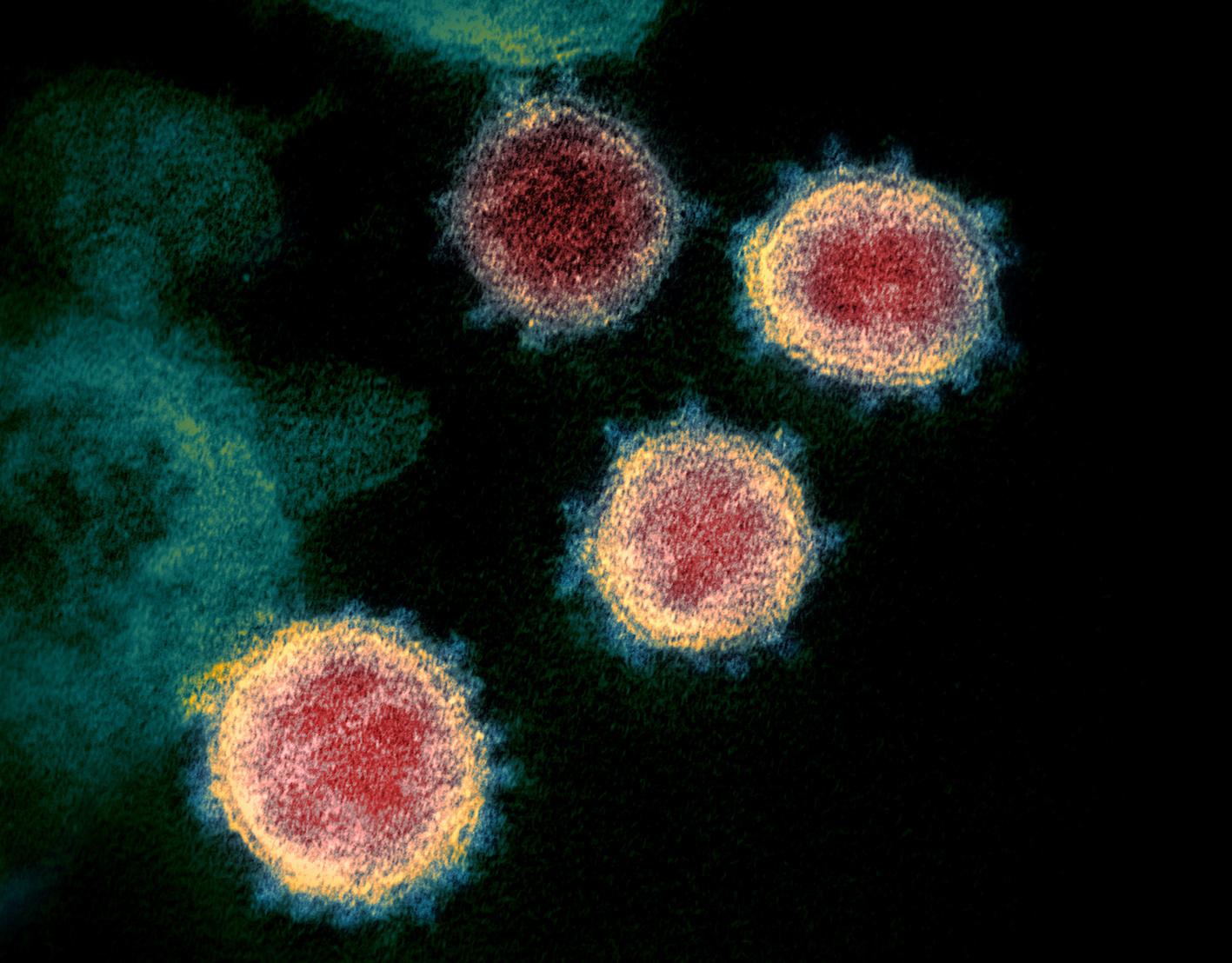
The following is a roundup of some of the latest scientific studies on the novel coronavirus and efforts to find treatments and vaccines for COVID-19, the illness caused by the virus.
Measuring longer-lasting COVID-19 immunity feasible
Along with testing for antibody levels after COVID-19 or vaccination to gauge a person's immunity to the virus, measuring the response of the immune system's T cells could provide important information, according to researchers based at Cardiff University.
While antibody levels wane over time, T cell responsiveness can last for months or years.
But T cells have been harder to measure in cost-effective ways.
Adapting a method widely employed to measure immune responses to other types of infections, the researchers took blood samples from adults and children and stimulated T cells with small proteins specific to the SARS-CoV-2 virus.
T cells that recognize these proteins, because the person has been previously infected or vaccinated, "are triggered to produce chemicals like interferon which can be easily measured," said study coauthor Andrew Godkin.
The results were about 96% accurate, researchers reported on Tuesday on medRxiv ahead of peer review.
"The test is very sensitive and seems to be accurate at identifying people previously exposed to the virus," Godkin said. "The test is widely available, easy to employ, and should play a very useful role in monitoring this pandemic."
Virus unlikely to insert genetic fragments into patients' genetic code
A new study refutes the controversial claim made by researchers last month in PNAS that small fragments of genetic instructions from the coronavirus became integrated into the genome of infected cells, in test tube experiments.
In principle, coronavirus RNA generated by such integrated snippets, while probably not harmful, might cause positive COVID-19 PCR tests long after a patient has recovered, the authors of that study said.
But when researchers in Australia sought to find signs of SARS-CoV-2 genetic code integrated into the DNA of infected cells, they could not find any.
"This was despite using the same sequencing technology and cell type (as in the PNAS study) and performing substantially more DNA sequencing," said Geoffrey Faulkner of the University of Queensland.
The new finding were posted on Sunday on bioRxiv ahead of peer review.
The researchers did find copies of hepatitis B virus integrated into liver tissue, and copies of other DNA elements integrated into the cells they experimented with, "suggesting our approach would have found SARS-CoV-2 copies" if they were present, he said.
His team agrees with others who suggest the PNAS findings may have reflected unintended effects of experimental methods.
"We think SARS-CoV-2 integration into DNA is possible in human cells even if it is likely to be incredibly rare in patients," Faulkner said. -- Reuters

