

 GMA Brandtalk
 Tracking
 Archives

Ateneo scientists warn vs alien fish in Laguna de Bay
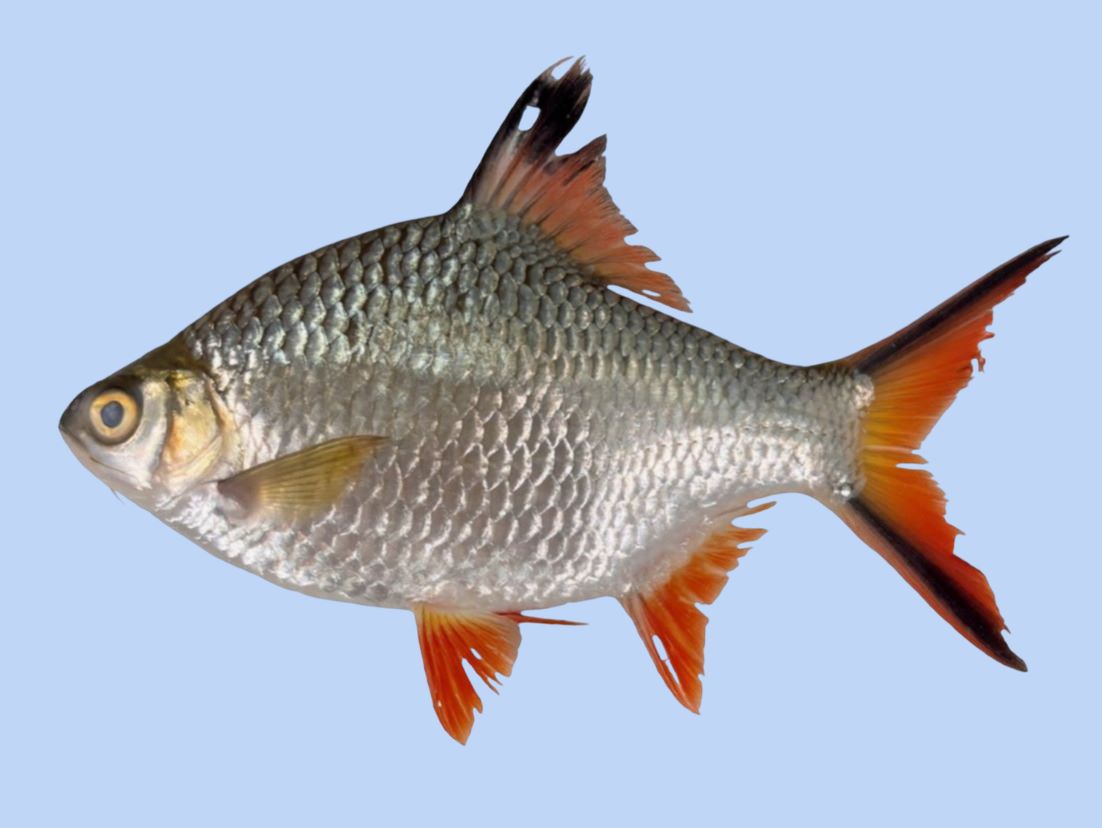
Biologists from the Ateneo de Manila University warned that a species of fish that is usually kept as a pet was found in Laguna de Bay and could threaten native fishes in the country’s largest freshwater lake.
The scientists said that the non-native fish found in Barangay Patunhay in Cardona, Rizal, in September 2024 was confirmed to be a Barbonymus schwanefeldii, or tinfoil barb—known for its silver appearance with orange fins and tail.
“While this species is present in the ornamental fish trade, it has not been recorded in any freshwater ecosystems in the country,” the study read.
However, the study said that it remains unclear how the omnivorous fish species, which are native to other Southeast Asian nations including Thailand, Cambodia, Vietnam, and Laos, were brought to Laguna de Bay.
''The mode of introduction of this species in Laguna de Bay is unknown; it may have been accidentally or willfully released from an aquarium, considering its importance in the aquarium industry,'' the scientists said.
“This species is omnivorous and detritivorous, and in its native range undergoes spawning migrations upstream during the rainy season,” they said.
“The large area of Laguna de Bay and the migratory behavior of this species, coupled with a generalist feeding habit, suggest that it may be more widespread and may have moved into rivers that feed into the lake, in turn exacerbating its spread.”
The scientists said that the presence of tinfoil barb in Laguna de Bay could outcompete the native fish in the lake for food and breeding grounds.
"Although ours was the first confirmed sighting of B. schwanefeldii in Laguna de Bay, sightings have also been reported in nearby rivers such as in Pagsanjan, Laguna, and elsewhere. We hope that local authorities can help raise awareness and put in further monitoring efforts, not just for this but for other invasive species as well," said lead researcher Kent Elson Sorgon.
Nationwide data show that out of the 374 freshwater species from 78 families, 64 species, or almost one-fifth, are non-native, according to the study.
“Freshwater fishes in the Philippines are increasingly becoming threatened by the introduction of non-native species,” the study read.
“With non-native fishes being introduced into Philippine rivers and lakes, there is an urgent need to document and verify the presence of previously unrecorded species to contribute to understanding their spread and dispersal.” — VBL, GMA Integrated News

