

 GMA Brandtalk
 Tracking
 Archives

Exploring the heart of the Cordilleras: A mushroom journey
F
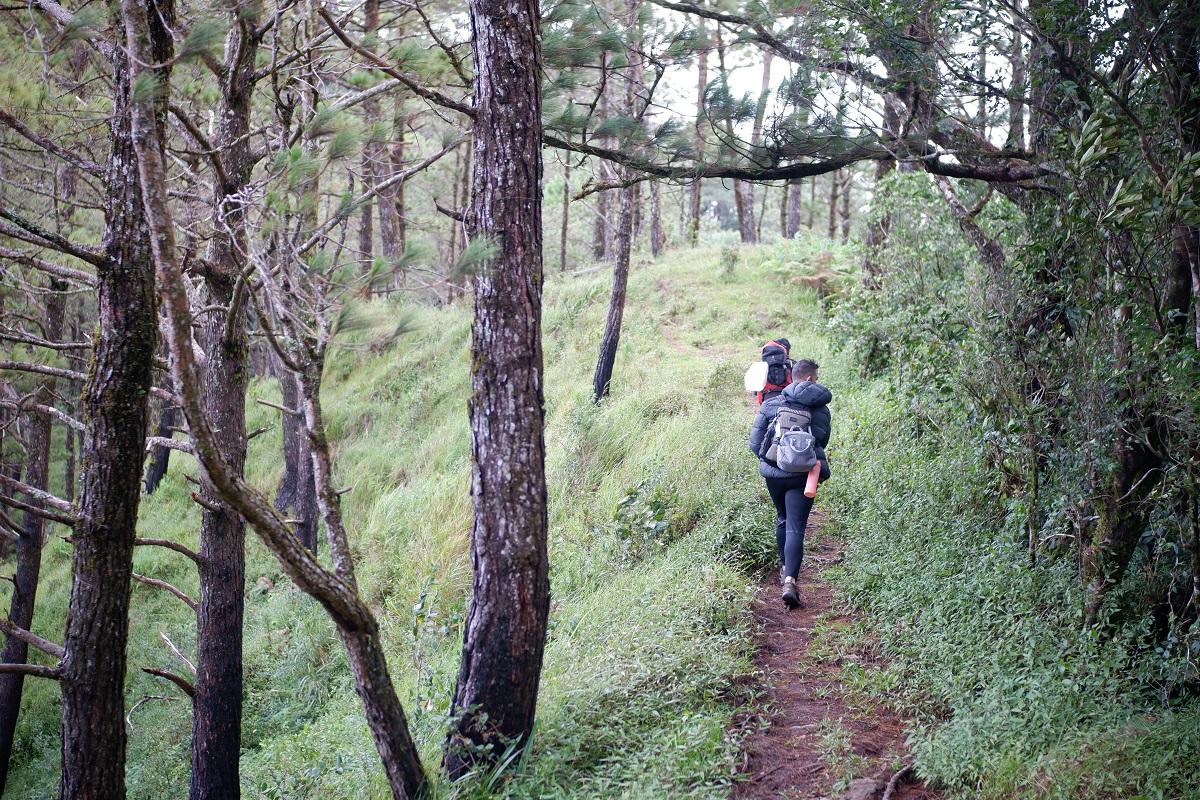
or years, Marco Lobregat has been drawn to Sagada, nestled in the misty mountains of the Cordilleras. One visit, following a painful breakup, became a turning point. Amid the towering pines and fertile forest floors where mushrooms flourish, he found healing—and a new purpose.
Sagada is often romanticized as a refuge for the brokenhearted. But for Marco, it became much more. It was the first place he traveled to alone as an adult, and in 2016, that journey sparked a lifelong advocacy rooted in nature, culture, and fungi.
In 2024, that passion culminated in the release of The Mushroom Explorer’s Guide to the Cordilleras, co-authored with Chris Angway, a local guide from the Kankanaey tribe—part of the larger Igorot ethnolinguistic group native to the region.
"It’s a detailed guide about species of mushrooms found in the mountains of Cordillera," Marco explains. "A narrative of the journey where tribes have practiced mushroom foraging for thousands of years."
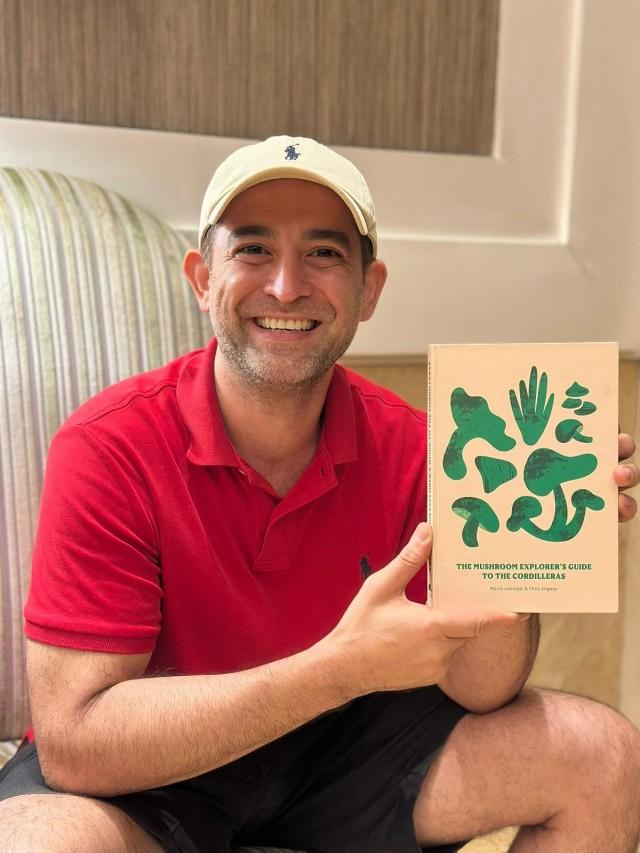
The book is more than a field guide. It’s a tribute to the indigenous communities who have safeguarded their foraging traditions through generations.
Marco and Chris emphasize the importance of respecting these practices, offering readers essential mushroom foraging etiquette, seasonal insights, and habitat information.
They also delve into the fascinating world of fungi, how to identify edible versus toxic varieties, symptoms of mushroom poisoning, and even preservation and cooking techniques.
“So it’s a guidebook,” Marco told GMA Integrated News. “It has recipes, travel advice, where to stay, what to prepare, and a big part that highlights individual mushrooms.”
One quote from the book captures its spirit:
The forests of the Cordilleras provide important habitat for wildlife, regulate water flow and quality, support food security and the livelihoods of local communities, making them a vital part of the region’s ecosystem and cultural heritage.
The guide features some of the most prized mushrooms found in the Cordilleras, including the golden-hued Chanterelle, known for its fruity aroma and culinary value.
Marco notes that mushrooms like “Naan” and “Upay, inga” are locally named but resemble globally sought-after varieties such as Porcini. “These aren’t cultivated,” he says.
“Nature gives them to you. Sagada is so high up—it’s the only place where they grow.”
C
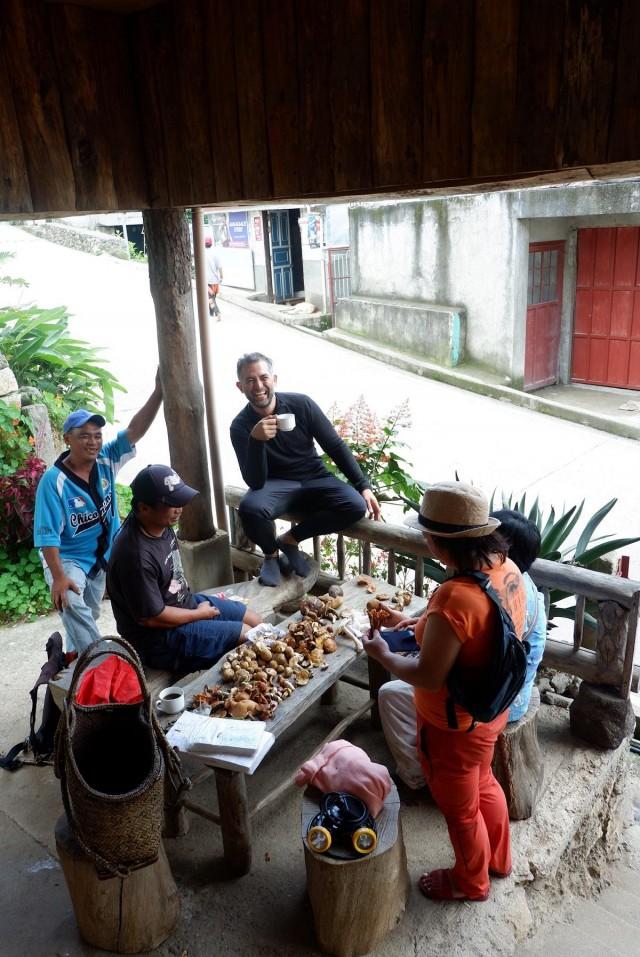
hris, Marco’s co-author, brings deep ancestral knowledge to the project. During one expedition, he identified 13 mushroom species—seven of them edible—each with distinct names, scents, flavors, and seasonal patterns.
Another unique species featured is Lumsek, a member of the Hygrophorus genus, locally dubbed the “fly killer mushroom.”
“It kills flies more effectively than regular fly traps,” Marco shares. “You leave it out, and by afternoon, flies are dead around it. But it’s edible and delicious, not toxic to humans.”
The book also honors the Cordilleran tribes’ deep understanding of fungi. Marco emphasizes that their knowledge—passed down orally and through practice—is now at risk of fading. “So now it’s about preserving this culture,” he says. “We worked with artists, storytellers, and the community to bring this book to life.”
Supported by the Forest Foundation, the book aims to educate and inspire, while respecting the sacred traditions of the Cordilleras.
“The Mushroom Explorer’s Guide to the Cordilleras,” Marco explains, “is a way to honor and continue this vital tradition without compromising the future, sharing it with the world while respecting their space and customs.”
“We’ve had this for so long,” he adds. “It’s just one side of our culture. But it’s disappearing unless we help preserve it.”
“These people were among the first Filipinos to inhabit this region,” Marco says. “This is their practice. The book hopes to inspire others to explore the mountains and learn.”
Ultimately, The Mushroom Explorer’s Guide to the Cordilleras is a heartfelt journey through the highlands—an invitation to discover the rich traditions of mushroom foraging, the culinary wonders of wild fungi, and the deep connection between nature and culture.
A
dding a touch of folklore to their journey, Marco and Chris include the tale of the Mushroom Lady, an urban legend said to possess an uncanny ability to find rare and choice edible mushrooms. Her story adds a layer of mystique to the already magical world of Cordilleran fungi.
“It's really there,” Marco says. “And the fact that these people have been here, some of the first Filipinos to inhabit this region of islands, we now call the Philippines, this is their practice. So the book hopes to inspire people to go up into the mountains.”
The Mushroom Explorer’s Guide to the Cordilleras is more than a guidebook—it’s a heartfelt journey through the highlands. It introduces readers to the rich traditions of mushroom foraging and offers a culinary experience rooted in forest-to-fork gastronomy.
“The locals, what they do first and foremost is—it’s food for them. That’s why they do it,” Marco explains. “What do they do? Smoke. It’s not the typical thing Filipinos do, but there’s tinapa, right? We smoke stuff. So they smoke mushrooms. What do you do now with the mushroom?”
He continues: “This book, compared to all the other mushroom books, is really quite unique. Apart from being a foraging guide with cooking and everything, it talks about the culture they have with mushrooms and the forest—the local names and the dishes they make.”
While the book aims to raise awareness about the cultural significance of mushroom foraging in the Cordilleras, Marco and Chris emphasize the importance of caution.
“So there's that, but also it's part of the whole journey. What if you eat a bad mushroom? What do you do? It's gotta be in the book. We have to tell you—people can have allergic reactions,” Marco says.
“I also included a lot of warnings in the book, saying that this is indigenous knowledge. We've gathered this, but a lot of it still needs to be verified—genetically, scientifically. We need more people to get involved in this field. It’s important.”
Preservation is key, and Marco shares practical ways to handle edible mushrooms: “We want people to be cautious. But part of the experience is, what do you do with the mushrooms? You can dry them. You can salt them. And then there’s the gastronomy, from forest to fork.”
M
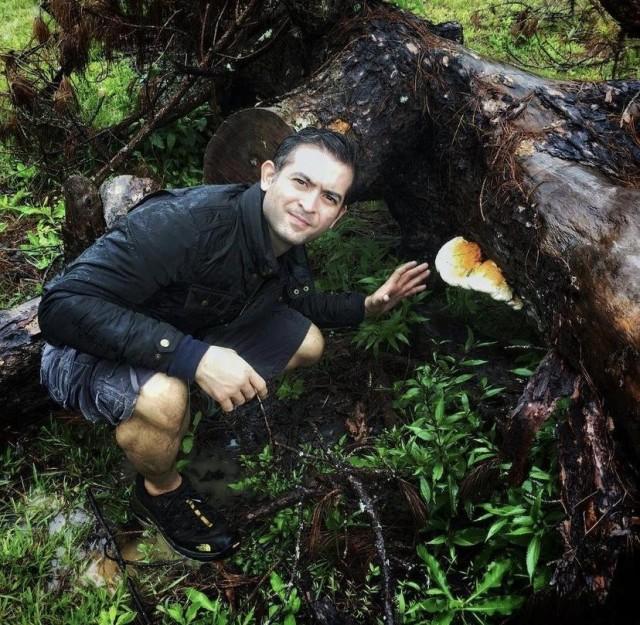
arco comes from the prominent Lobregat family of Zamboanga City. Many may remember him from a popular telecommunications commercial in the 1990s, as well as his work as a model, ambassador, and entrepreneur.
Today, he’s channeling his energy into a deeper mission: to reconnect Filipinos with the rich heritage of mushroom foraging, especially those outside the Cordilleras and the younger generation growing up amid rapid modernization.
“My theory is that a lot of others have lost it already, or there are still a few keeping it alive. I’m hoping the book will say, ‘Dito, eto tawag namin ganito at saka dito, eto lang yan.’” (“Here, we call it this, and in this place, it’s just that.”)
“And I might go to another part of the Cordilleras where it’s just that, but it’s remote.”
Marco’s original goal was simple: to write a book he could give to Chris, his guide in the mountains. A book that tells the story of mushroom explorers like them, something Chris could one day share with his children.
Now, Marco, Chris, and a growing community of collaborators are committed to expanding the movement, exploring more mushroom species unique to the Cordilleras and beyond.
“I’m still thinking. There’s so much more to discover, and it’s just there. They’re a small part of the community, and I’m lucky to have someone like Chris. But I’m sure there are others in the community and in other parts of the Cordillera. I want to go with Chris to places he hasn’t even explored yet, like Abra or the lower regions. There’s so much to discover.”
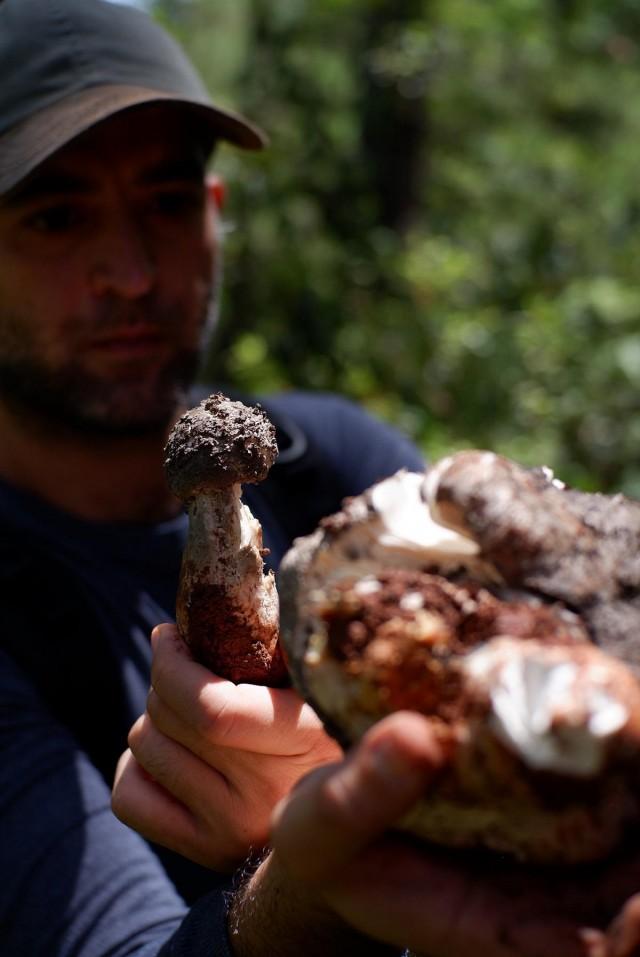
Marco describes the response to The Mushroom Explorer’s Guide to the Cordilleras as “organic,” a natural outgrowth of the stories and traditions he’s helping to preserve.
“I can’t do this alone. There’s so much to do, and I’d love for people to explore it in their own way.”
He adds: “We may meet another group in the Cordilleras with different practices, working with different mushrooms. Maybe it’s not recorded. We don’t know. That’s what’s fascinating. It’s fascinating but also, that’s where my book may fall short. And that’s why I want to say: this is not over.” — BM, GMA Integrated News

