

 GMA Brandtalk
 Tracking
 Archives

Understanding mosquitoes will improve dengue prevention – DOST scientist
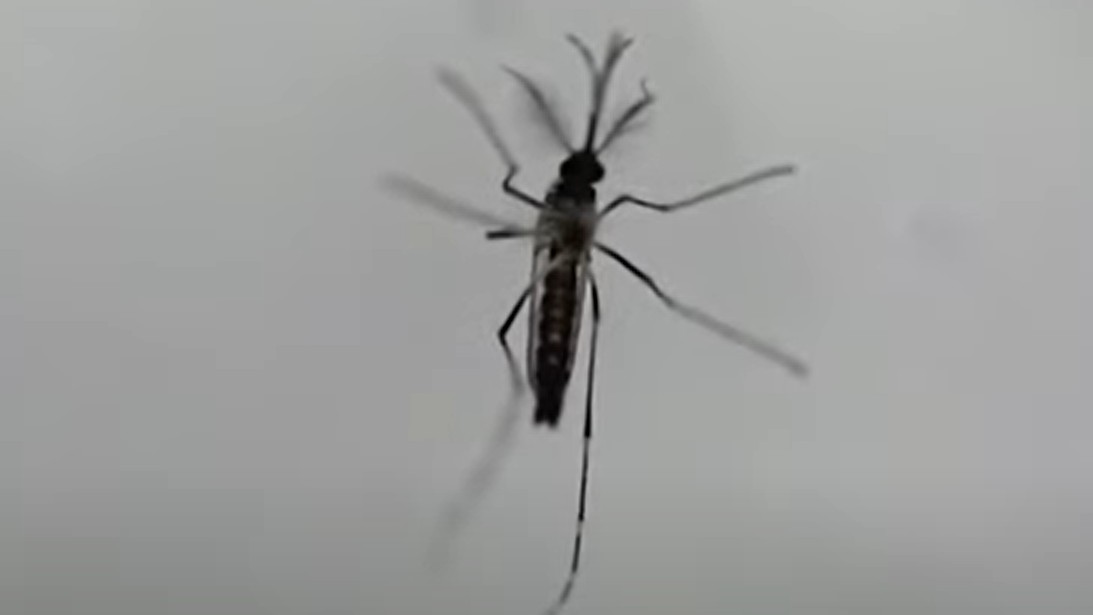
The key to creating better protective strategies against dengue is understanding how mosquitoes behave, a Department of Science and Technology (DOST) Balik Scientist said.
In his study “Status of Mosquito-borne Diseases in the Philippines: How Much Do We Know,” Institute of Biological Control Director Dr. Thaddeus Carvajal studied the Aedes aegypti or the yellow fever mosquito, which is the most common culprit behind the spread of dengue.
Carvajal revealed his research shows a greater genetic similarity between mosquitoes in populated busy hubs like ports, showing that mosquitoes may also be traveling across regions along with humans to spread the virus.
His team noted that mosquitoes and patients from one area carried dengue viruses, emphasizing the need for careful observance for both clinical and entomological perspectives.
"Timely insights like these can support early response and local planning before outbreaks worsen," Caravajal said.
In his study, Caravajal also created eco-epidemiological models that studied environmental data, mosquito presence, and human infection rates to create a prediction of potential outbreaks.
The study was released amid the typhoon season, which often causes an increase in dengue case rates across the country.
“Through the Balik Scientist Program (BSP), we continue to welcome scientists trained abroad who choose to return and contribute to national research efforts. We thank Dr. Carvajal for advancing our fight against Dengue through science and innovation,” said DOST Secretary Renato Solidum Jr.
Based on the most recent data from the Department of Health (DOH), the Philippines was handling 15,091 cases of Dengue from July 13 to July 26, 2025.
The DOH has since activated Dengue Fast Lanes in hospitals nationwide to better aid victims of dengue.

