

 GMA Brandtalk
 Tracking
 Archives

DOST- PTRI inaugurates 3rd yarn production facility in Vintar, Ilocos Norte
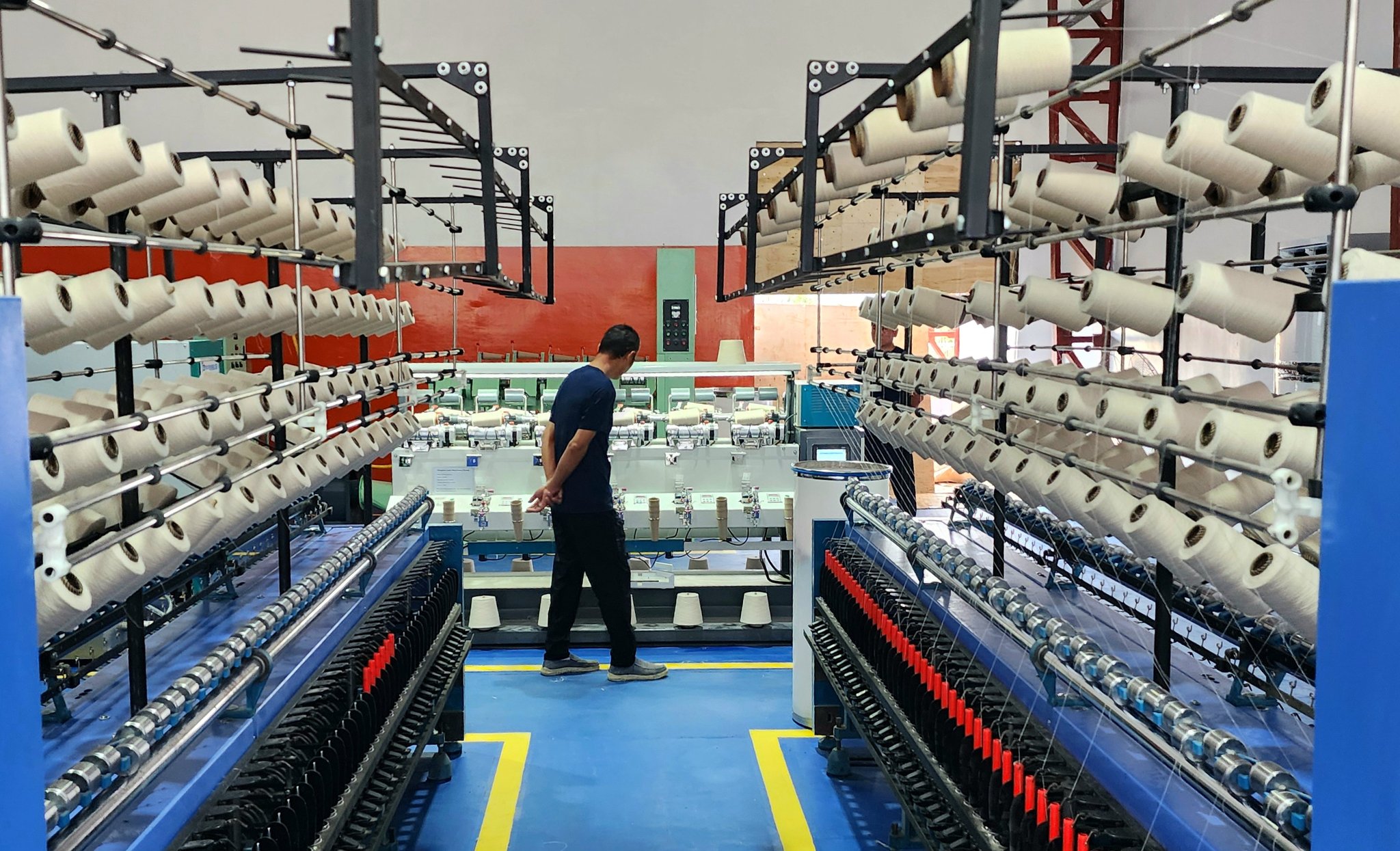
LAOAG CITY, ILOCOS NORTE – The Department of Science and Technology - Philippine Textile Research Institute (DOST- PTRI) on Thursday inaugurated its third Regional Yarn Production and Innovation Center (RYPIC) in Vintar, Ilocos Norte, as part of its effort to “bridge” textile production from “farm to factory.”
Speaking to the media, DOST–PTRI Director Julius Leaño said the Vintar RYPIC was established to reach northern areas in the country, such as Cayagan, and Apayao, which sources pineapple fiber to be processed into threads.
The Vintar RYPIC is near Pinili and Batac in Ilocos Norte, areas known for cotton production.
According to Leaño, the Vintar RYPIC can produce 150 kilos of cotton yarn per day, which is equivalent to 40 tons per year.
The finished products will be delivered to create government uniforms and to handloom weavers for their creations.
According to DOST- PTRI, about 860 handloom weavers can benefit from the RYPIC.
Funded under DOST-PTRI’s 2025 general appropriations budget, the construction and equipment of the facility cost about P53 million.
The other RYPICs are located in Ilagan, Isabela and Miagao, Iloilo.
DOST–PTRI is also eyeing to establish additional RYPICs in Kabacan, North Cotabato; Taytay, Rizal; Kabankalan, Negros Occidental; Abra; and Zamboanga.
Environmental alternativeThe Vintar RYPIC processes pineapple fiber and cotton to make threads.
Leaño explained this is the case because cotton is not considered environmentally friendly, as it requires a lot of water to produce. Using pineapple fibers as an alternative can lessen the carbon footprint of yarns.
“Yung fiber, tinatapon lang yan. So every single kilo na mapalitan mo, napakalaki ng impact niya. Hindi lamang sa sustainability, but actually it's carbon footprint,” Leaño said.
(The fiber is typically discarded. Therefore, every kilogram that can be replaced creates a significant impact, not only for sustainability but also for reducing carbon emissions.)
“Kailangan mababa ang carbon footprint, kailangan environment-friendly, kailangan culturally relevant. So all of these are part of the market segment that we're trying to tackle,” he added.
(It must have a low carbon footprint, be environmentally friendly, and remain culturally relevant. These factors define the market segment we’re trying to tackle.)
From raw materials to threads
Pineapple fibers and cotton undergo five steps before becoming thread.
It undergoes an integrated blow-card machine where raw fibers are opened, cleaned, mixed, and turned into rope-like strands called “silvers.”
The slivers are transferred to the draw frame, which removes dust and fly waste and straightens the fibers to produce more even yarns.
The slivers are twisted more finely during the roving process, and depending on the client’s requirements, they are made into either thinner or thicker threads during the reframing process.
Once enough threads have been produced, they go through the winding process and are placed onto spools or cones.
The thread will also undergo additional processing for refinement and achieve other variations.
— LA, GMA Integrated News

