

 GMA Brandtalk
 Tracking
 Archives

DOST-PTRI pushes eco-friendly retirement of worn-out PH flags
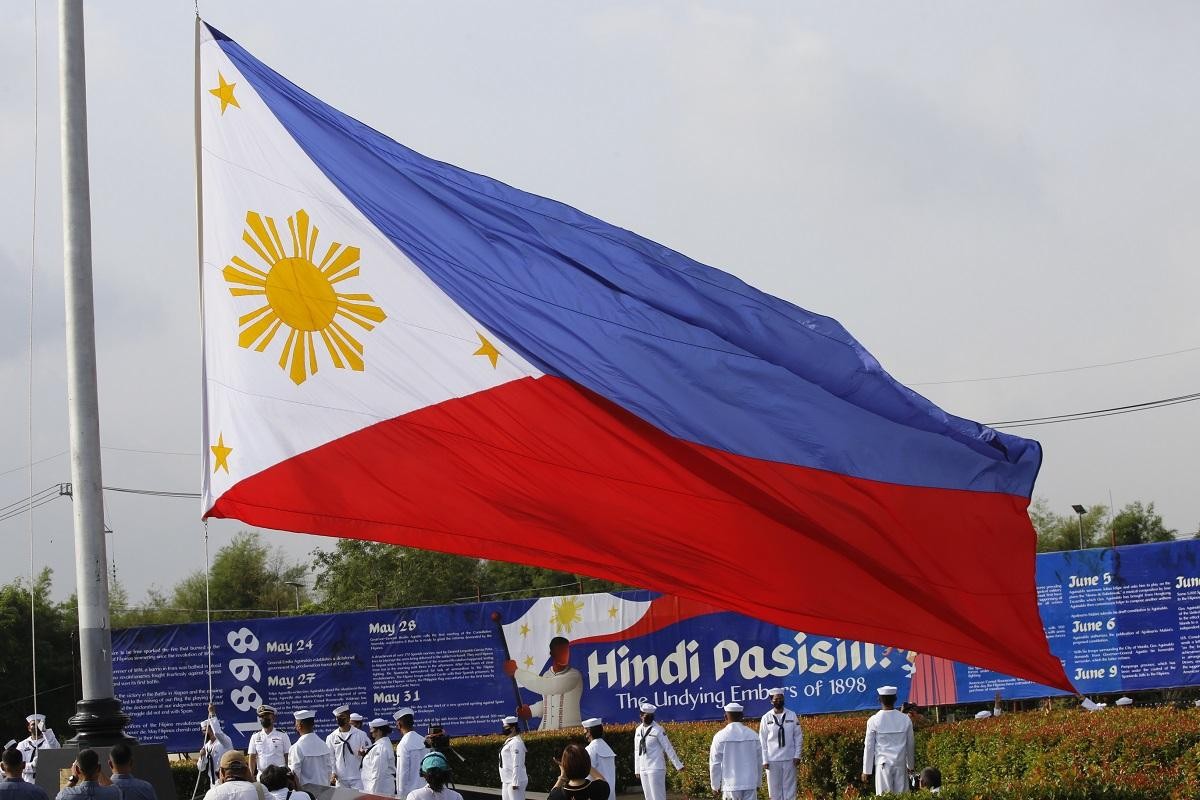
The Department of Science and Technology–Philippine Textile Research Institute (DOST-PTRI) is pushing for a more environment-friendly alternative in properly retiring Philippine flags.
The agency has collected worn-out flags since April for a retirement ceremony on Tuesday, May 26. Instead of burning them, as provided under law, the DOST-PTRI is proposing a recycling process for the materials.
Julius Leaño Jr., director of DOST-PTRI, explained that flags today are commonly made of polyester and nylon, which may be harmful to the environment when burned.
“Dati kasi cotton and silk ‘yun, so kapag sinunog mo, technically, those are natural materials, so wala po yung problema. But right now, ang ating bandila ay made of polyester and nylon, so when you burn them, they are emitting toxic gases in the atmosphere,” he said in Bagong Pilipinas Ngayon.
(Before, those were cotton and silk, so when burned, they were natural materials and there was no problem. But now, our flag is made of polyester and nylon, so when burned, they emit toxic gases into the atmosphere.)
Under Republic Act No. 8491 or the Flag and Heraldic Code of the Philippines, a worn-out flag shall not be discarded but must be “solemnly burned” to avoid misuse or desecration.
“The flag shall be replaced immediately when it begins to show signs of wear and tear,” the law adds.
The DOST-PTRI is proposing amendments to allow the recycling of fibers from tattered flags into new threads.
“Ang kailangan lang naman ay marangal yung pagre-retiro ng watawat at hindi mo na maaninag na ito ay watawat pa,” Leaño said.
(What is needed is a dignified retirement of the flag, and that it is no longer recognizable as a flag.)
“So ang atin pong proposal at ating teknolohiya ay physically mapaghiwa-hiwalay yung mga hibla ng ating bandila at maaari pa po sa mga hibla na ‘to ay makagawa ulit ng mga sinulid,” he added.
(Our proposal and technology is to physically separate the fibers of the flag so that these fibers can again be made into threads.)
These recycled threads can be used for embroidery and other textile applications, the agency said.
“Mula kasi sa mga hibla na ‘yun, makakagawa ulit ng mga sinulid. So bumabalik siya sa textile supply chain. Eh dahil gawa ‘yan sa polyester at saka nylon, technically may kintab ‘yan. So napalaki ng kanyang application, pwede for embroidery, pwede rin siyang maging sinulid muli sa ating kasuotan,” Leaño said.
(From those fibers, threads can be made again. So it goes back into the textile supply chain. Since it is made of polyester and nylon, it has a sheen, which expands its applications—it can be used for embroidery or again as thread for clothing.)
The DOST-PTRI said a similar initiative is also being explored for old military uniforms.
“Kalakip din ito ng ating advocacy with the Armed Forces of the Philippines. Kasi yung kanilang mga worn out din nilang mga uniporme, mayroon na rin tayong pakikipagtulungan sa pribadong sektor para magamit po ulit ‘yun. Kasi hindi pwede ipamigay yung uniporme out of security reasons,” Leaño said.
(This is also part of our advocacy with the Armed Forces of the Philippines. For their worn-out uniforms, we are coordinating with the private sector so these can also be reused, since uniforms cannot be given away due to security reasons.)—MCG, GMA News

