

 GMA Brandtalk
 Tracking
 Archives

EXPLAINER: How the Philippines can harness seaweeds to produce bioplastics
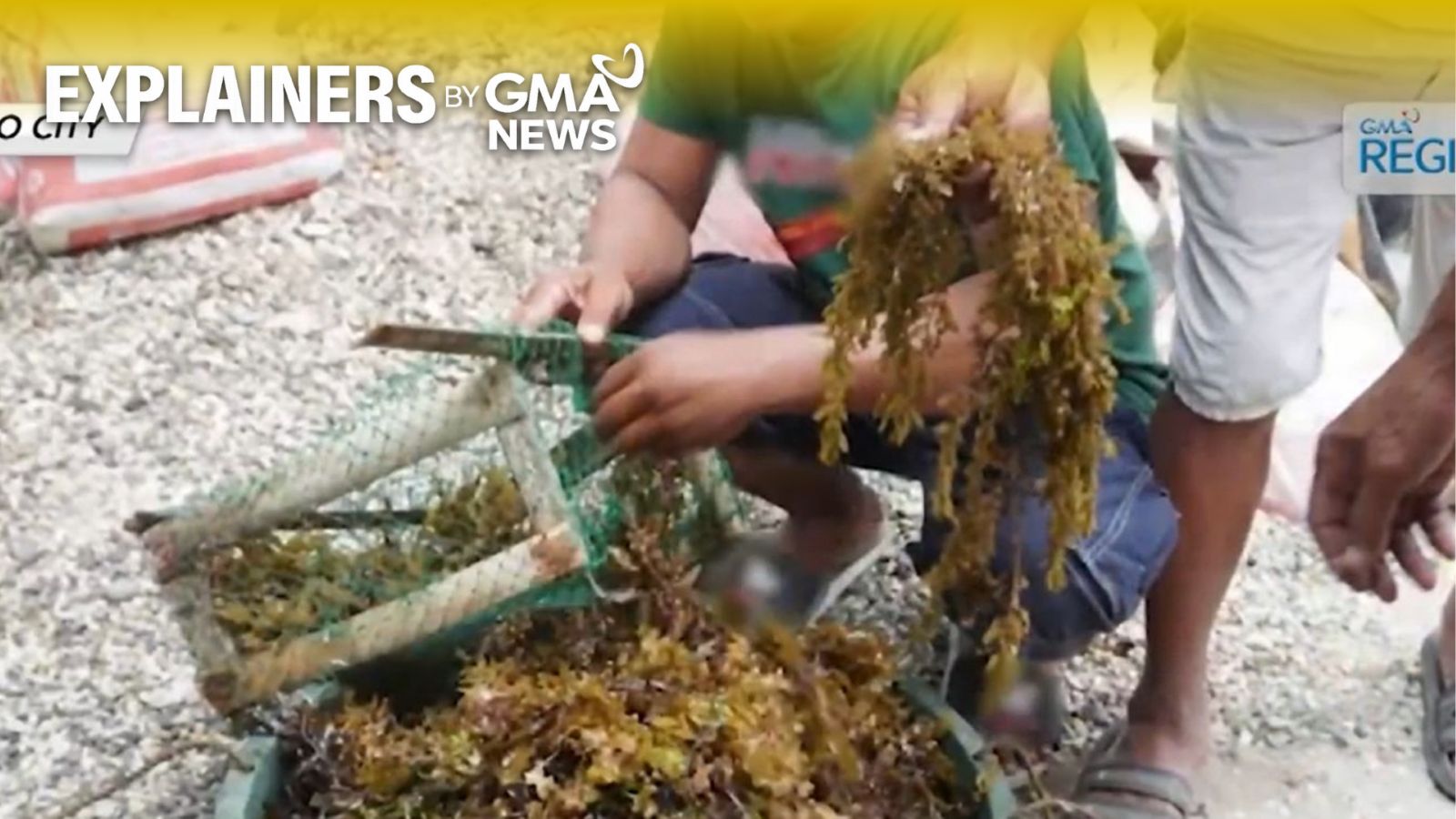
The National Academy of Science and Technology-Philippines (NAST PHL), under the Department of Science and Technology (DOST), is calling for intensified research and development on seaweed-derived bioplastics as a sustainable solution to plastic pollution.
Speaking at the 48th Annual Scientific Meeting earlier this month, biological chemist Marco Nemesio Montaño and biofuels expert and chemist Ernesto del Rosario said seaweeds are a rich source of biopolymers that can be converted into bioplastics. These include carrageenan from Kappaphycus and Eucheuma, alginates from Sargassum, as well as agar and fucoidan.
They defined bioplastics as plastics made from renewable biological sources, such as seaweeds, that are designed to break down into harmless substances through natural processes.
"We are only utilizing a very small fraction of our available ocean and sea resources for growing seaweeds. We have a [large] economic zone where we can grow seaweeds as a source of [biopolymers]. That makes us a potential major producer of bioplastics," Del Rosario said.
According to the DOST, the Philippines is the world's fourth-largest seaweed producer, accounting for 4.2% of global output. Much of the country's production comes from Kappaphycus alvarezii, a species of red algae.
Del Rosario said that further research and development is needed to discover and cultivate resilient seaweed varieties that can better withstand climate change while helping reduce production costs.
"There should be more investments in fundamental research to identify niche areas for the Philippine bioplastics industry as opportunities for inclusive growth and sustainable development," Montaño said.
Del Rosario also urged universities and research institutions to focus on isolating long-chain biopolymers, evaluating their properties, and optimizing processing methods to support the production of seaweed-based bioplastics.
The experts said advancing the bioplastics industry could create more sustainable economic opportunities for coastal communities, particularly in Sulu and other parts of Southern Mindanao.
"If we have seaweed-based bioplastics, we can at least reduce pollution while producing more value-added products from seaweeds," they said.
The Annual Scientific Meeting aims to promote science-based, innovative, and inclusive solutions anchored on four strategic pillars: human well-being, wealth creation, wealth protection, and sustainability. —VBL, GMA News

