

 GMA Brandtalk
 Tracking
 Archives

Indie game ‘Tulak’ is inspired by the Philippine drug war
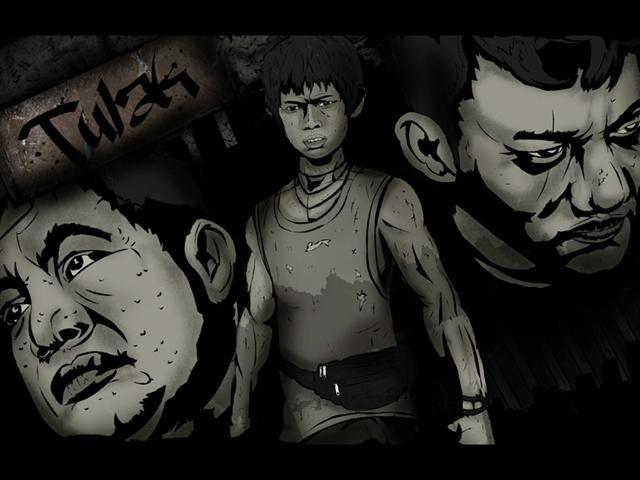
“Tulak” is a puzzle adventure game that boldly tackles a relevant issue: the Philippine drug war. Its aim, however, isn't to focus on the deaths linked to the war. It is to tell a fictional tale inspired by the stories behind real tragedies.
“Tulak” was developed by all-Filipino team JRMS. This acronym stands for first names of its members: Jhay Ulilang (game/sound designer), Ralph Miraflor (programmer), Migz Hermanos (programmer), and Steven Jan Cadena (game artist), all of whom hail from the College of Saint Benilde.
JRMS’ goal is to create impactful games that promote the Philippines and educate people about the myriad issues it’s facing today. This is why “Tulak” exists.
The game
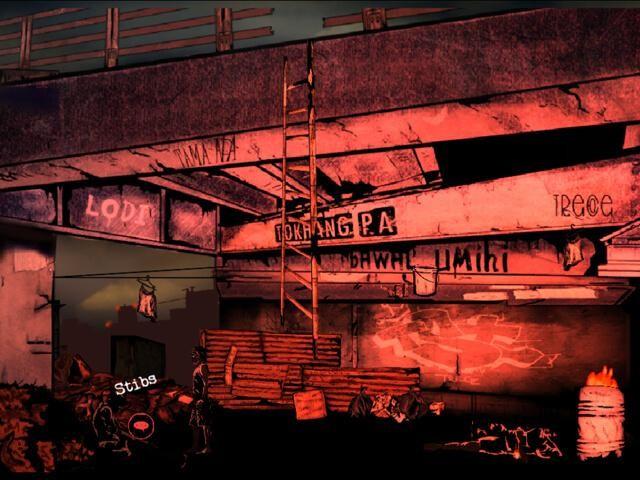
Tulak is “a 2D choice-based, puzzle adventure game set in a fictional ‘barangay’ in the City of Manila.” It features heavy, mature themes, an entirely Filipino script that makes use of street slang, and multiple endings.
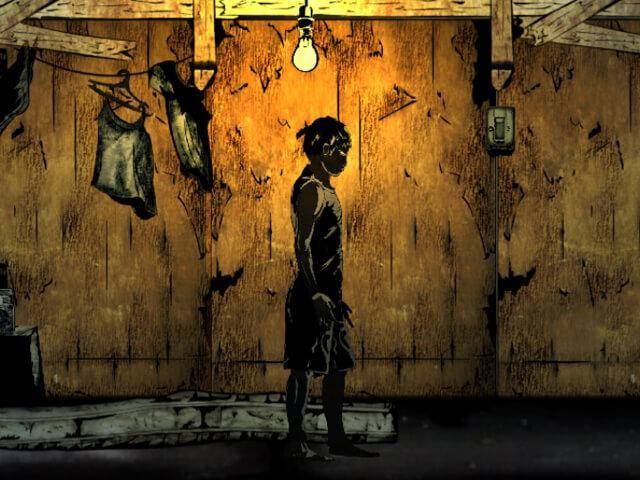
In “Tulak,” you play a minor named Jed who is forced to become a drug pusher so that he and his sister can survive. Gameplay involves exploring the barangay’s varied environments, interacting with its inhabitants, and finding and using items – all in the effort to solve puzzles and move the story forward.
Not everyone you’ll meet is friendly; many will want to exploit and hurt you. And through it all, there’s the ever-looming reality of the war on illegal drugs, which has claimed the lives of so many like Jed.
“Since the latter half of 2016, our country the Philippines has been embroiled in a very publicized war against illegal drugs,” says the game’s itch.io page.
“Tulak was conceptualized during the heat of the issue,” the page continues, adding that the game tells a story inspired by the reality of those who grew up in the lower bowels of the Manila drug underbelly.
“Video games are a wonderful medium for telling stories,” said Cadena. “It combines aspects of books, television/movies, and music to create a more immersive experience... more so if the story would change depending on the player’s actions.”
The team wanted the players to feel the stress when making decisions, and question themselves if their choices are right. By being put in Jed’s shoes, people are more likely to empathize with those like him.
Creating “Tulak”
“Tulak” started as a thesis project. Early in its conception, JRMS decided they wanted to create a game that tackled relevant issues. They also wanted to present said issues as close to reality as possible.
The game went through two redesigns. Its first version was a resource management game like “This War of Mine.” JRMS, however, found it difficult to create an impactful narrative or engaging gameplay using this design.
Its second iteration was a linear fetch quest. It was deferred twice and proved both mentally and emotionally taxing to JRMS.
The third design would eventually become the “Tulak” we know today, but JRMS also had trouble nailing down its plot and flow. They weren’t sure how others would perceive a game with gritty, heavy themes and mature language.
Once they set their mind to proceeding with the project, however, they were able to apply their creativity to the creation of its story, and contextualize the gameplay around said story.
Creating such a game, of course, required abundant research. In this regard, Cadena’s experiences living near a slum area served as a major inspiration for “Tulak’s” key themes.
“The environment that I grew up in was something I wanted to convey… at a young age I was very aware of how things are in the streets and the commonality of people doing drugs.”
Cadena added: “We all collaborated on the story, although I had to fine-tune the dialogue and words to make it authentic.”
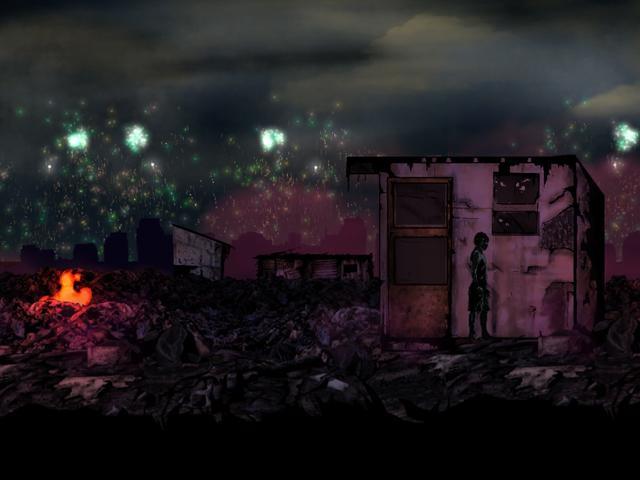
Cadena’s experiences also inspired the game’s aesthetics. To ensure “Tulak’s” visuals conveyed the authentic feel and atmosphere of a poverty-stricken locale, Cadena spent time in the slum area of Dagat-Dagatan in Caloocan, which is the actual place the game’s fictional location is based on. This allowed him to “internalize the atmosphere and be able to capture and exude it in the game.”
The dark and gritty aesthetic Cadena created has proven extremely striking to those who’ve played “Tulak.” The team also feels that the game has allowed them to tell a relevant story that leaves a profound impression on players.
Winning awards
At the ICT Creative Awards 2018, “Tulak” won Best Game Art, Best Narrative, and Best Game for Many. It was also nominated for Game of the Year.
Cadena and his teammates weren’t anticipating any of them; they weren’t even aware of the nominations "Tulak" had received.
“When we first got a nomination we were just nodding at each other,” said Cadena. “When we won the first (award) we couldn’t believe it.”
Despite his confidence in “Tulak’s” art, Cadena was not expecting the Best Game Art win.
“Overall it felt like vindication for what we went through to deliver ‘Tulak’,” he said.
Future plans
JRMS plans to develop “Tulak” further. According to Cadena, they are "trying to translate the game to give it a language option."
The team also decided to leave the game’s story and multiple endings on the ambiguous side. This will allow them to create follow-up episodes for “Tulak,” in the same way the Telltale Games and “Life is Strange” games consist of multiple chapters.
“Right now we just want the game to be experienced by more people, and perhaps when the time is right, we will continue with the ideas we have right now,” said Cadena.
Of course, JRMS could go a different route and work on something else.
“We had this idea for a game about a young boy and his dog that got separated during the Mayon Volcano eruptions last year,” said Cadena. “It would be a puzzle platformer with minimalist art style and slower-paced gameplay. We just want to make games that showcase situations and stories within our country.” — LA, GMA News

