

 GMA Brandtalk
 Tracking
 Archives

UP scientists develop AI model to predict tropical cyclone rainfall
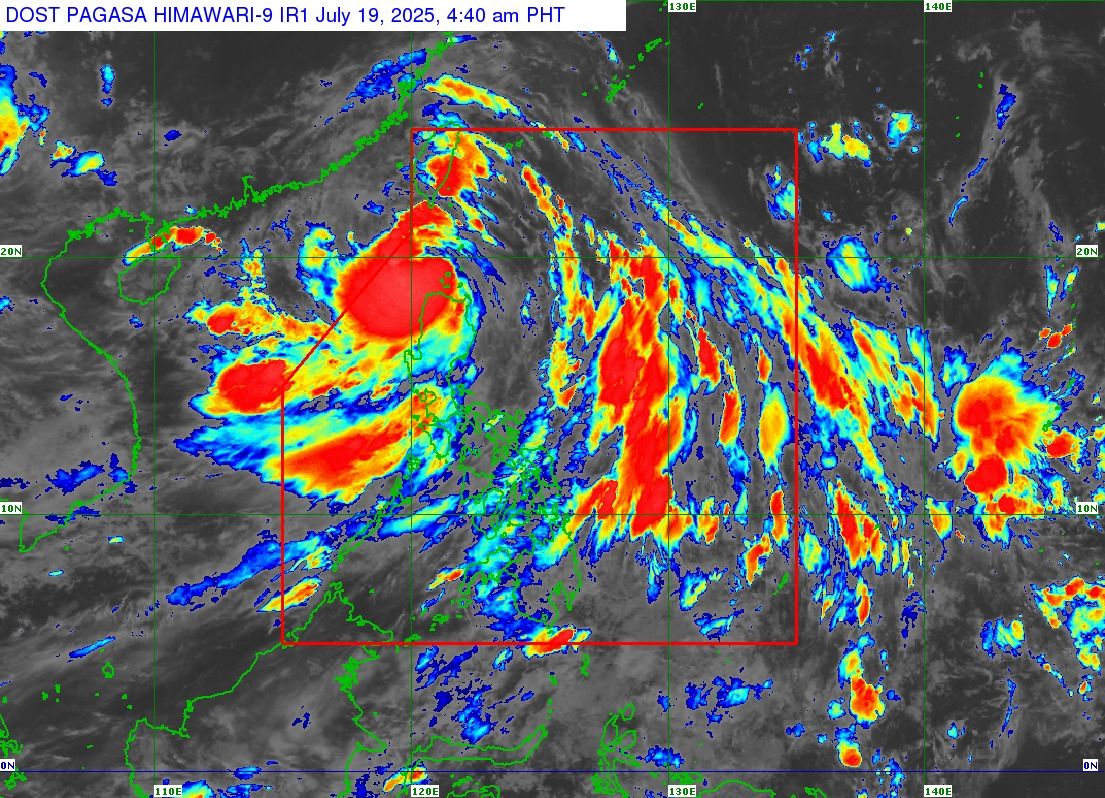
Scientists from the University of the Philippines Diliman have developed an artificial intelligence (AI) model to forecast rainfall from tropical cyclones.
Cris Gino Mesias and Dr. Gerry Bagtasa of UPD-College of Science’s Institute of Environmental Science and Meteorology used machine learning to develop a tropical cyclone (TC) rainfall forecast model that links past TC tracks to recorded rainfall.
“Specifically, a self-organizing map (SOM) was utilized to cluster the TC tracks, which were then fed into a random forest (RF) regression model that used TC position, intensity, translational speed, and other parameters to predict accumulated TC rainfall,” the study, which was published by the Royal Meteorological Society on August 11, read.
“The resulting artificial intelligence (AI)-based TC rainfall model was initially assessed against ground rainfall observations for calibration. Then, the model was evaluated for its prediction skill.”
Bagtasa said that most TC rainfall predictions rely on dynamic models, which require high-performance computing. But the AI model they developed can spot patterns quickly and efficiently even on a laptop, he added.
“When we assessed the AI model, its predictive skill was comparable to a dynamic model that we regularly use. The AI model had better skills for extreme rainfall from tropical cyclones,” said Bagtasa in a statement.
The study tested the prediction capability of the AI model by selecting 10 TCs that produced extreme rainfall in different parts of the country from 2016 to 2020.
“The validation results showed that the AI/ML model produced TC rainfall distribution fairly consistent with satellite-derived precipitation. When compared to the WRF model simulations, the AI model showed only slightly lower values in the prediction skill metrics,” the researchers said.
“However, the model produced higher hit rate scores for most of the more intense TC rainfall amounts (> 100 mm), which can be useful in disaster management and mitigation.”
The distance of the TC and its duration are the parameters that most influenced the AI model’s rainfall prediction, the study added.
"For instance, a typhoon near Batanes would not be expected to cause heavy rains in Mindanao. Slow-moving TCs that spend more time over land also tend to bring more rainfall overall," the UPD-College of Science said.
Bagtasa said that the AI model can be updated with new data, allowing it to improve its accuracy.
“This AI model, admittedly, is not perfect. But it can add to the suite of rainfall forecast models available to equip our disaster managers with more information on impending hazards,” he said.
He added that the AI model they developed is not a large language model (LLM), which requires so much energy and can be harmful to the environment.
“Some AI models, such as those for weather forecasting, can be useful and more efficient than conventional methods. But there are also some, like LLMs, that consume so much energy, leading to environmental impacts that are harmful to the planet,” said Bagtasa.
The state weather bureau PAGASA earlier said 17 tropical cyclones may enter or develop within the Philippine Area of Responsibility from August this year to January next year. —VBL, GMA Integrated News

