

 GMA Brandtalk
 Tracking
 Archives

Didn’t pass UPCAT? Here are other ways to get into UP
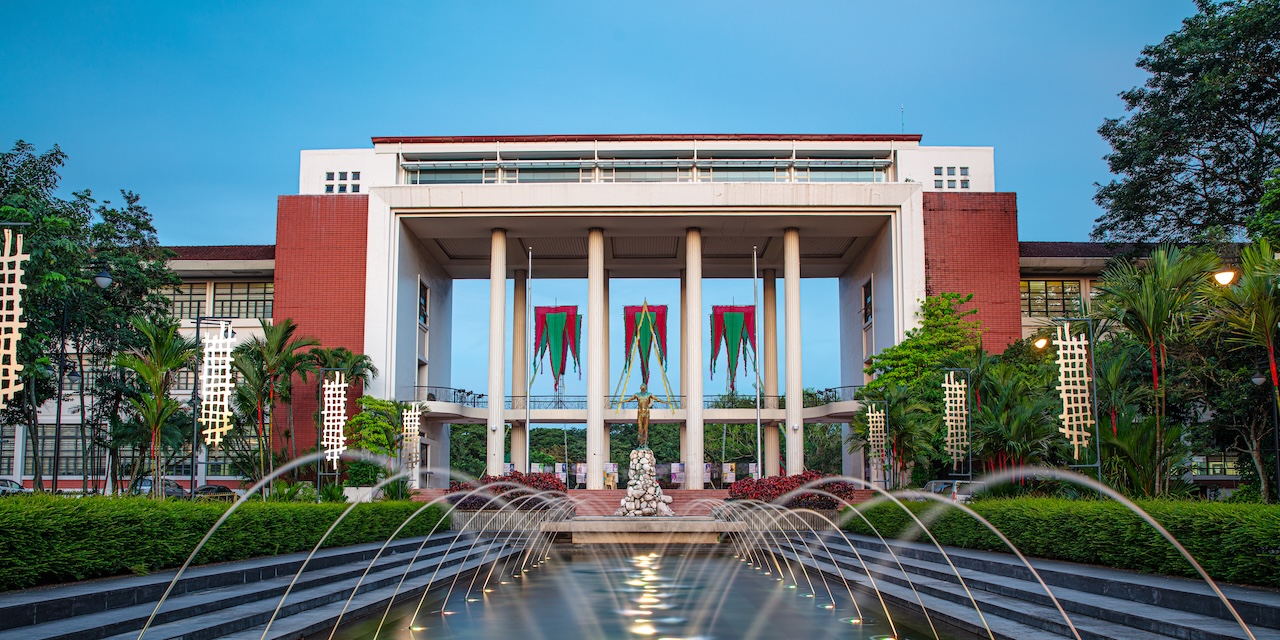
For thousands of hopefuls, the release of the University of the Philippines College Admission Test (UPCAT) results can feel like a make-or-break moment.
This year, 18,350 applicants qualified out of more than 147,000 examinees. But for those who didn’t make the cut, admission to the University of the Philippines (UP) does not necessarily end there.
The country’s premier state university offers multiple alternative pathways for students to become Iskolar ng Bayan, some of which do not require passing the UPCAT.
Talent, sports, skills-based admissions
Students with strengths beyond academics may enter UP through specialized routes.
The Talent Determination Test (TDT) allows aspiring artists, writers, and creatives to gain admission based on portfolios, auditions, or practical exams instead of UPCAT scores.
Meanwhile, student-athletes can apply through the Varsity Athletic Admission System (VAAS), where applicants undergo tryouts and are assessed based on athletic potential while still meeting academic standards.
Flexible learning via UP Open University
For those seeking non-traditional learning, the UP Open University (UPOU) offers distance education programs designed for flexible schedules.
Applicants take the Undergraduate Admission Test (UgAT) instead of the UPCAT, opening opportunities for:
- Senior high school graduates
- Alternative Learning System (ALS) passers
- Working students and adult learners
Transfer pathway
Students may also enter UP after beginning their studies elsewhere.
The transfer route allows applicants from other universities—or even from another UP campus—to apply after completing at least one year or a minimum number of academic units.
Admission, however, remains competitive, especially for high-demand programs.
Associate, certificate programs
UP also offers associate and certificate programs in fields such as fine arts, communication, sports studies, and design.
These programs serve as ladderized pathways, allowing students to later transition into full bachelor’s degrees if they meet academic requirements.
Iskolar ng Bayan, special programs
Top graduates from public high schools may qualify under the Iskolar ng Bayan Act, which grants admission opportunities in state universities, including UP.
Meanwhile, specialized programs like the UP Manila School of Health Sciences prioritize students from underserved communities, often requiring them to return and serve their areas after graduation.
Support beyond admission
UP emphasized that access does not end with admission.
The university provides support programs for qualifiers, including:
- Scholarships and financial assistance
- Student housing for those from far-flung areas
- Mentoring and tutorial services
- Work opportunities within the university
It has also expanded outreach efforts—such as application assistance and review programs for students in disadvantaged communities—to widen access even before the UPCAT.
While the UPCAT remains the most recognized route, UP officials stress that it is not the only gateway to quality education in the university.
At a press conference on Wednesday at the Diliman campus, UP President Angelo Jimenez said strengthened support systems are in place for students who continue to struggle with the cost of staying in school despite free tertiary education.
“We are aware that much still remains to be done, but our direction is clearer than ever," he said.
"We are seeing steady movement toward a university that is not only excellent but also more representative, more inclusive, more responsive, and more open to those who have the capacity and the desire to succeed,” Jimenez added.—MCG, GMA News

