

 GMA Brandtalk
 Tracking
 Archives

UPCAT 2026 results: 18,350 pass admission test
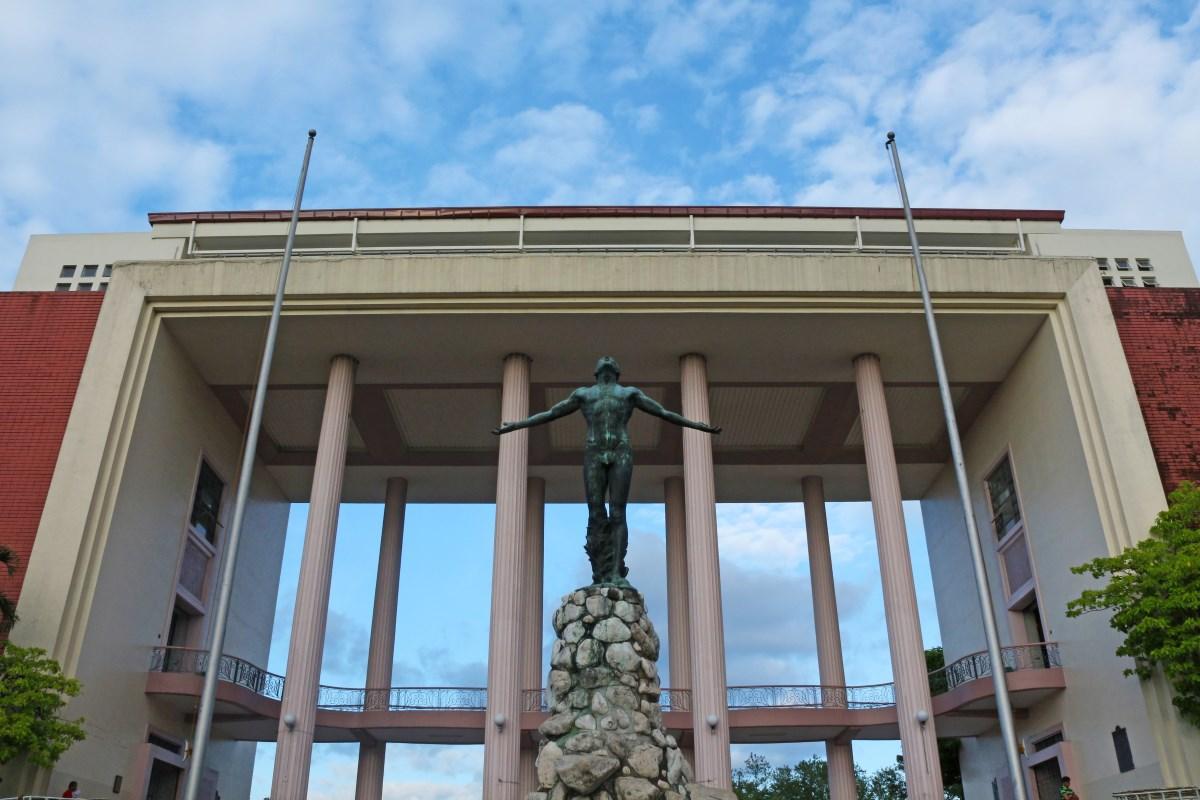
A total of 18,350 examinees passed the University of the Philippines College Admission Test (UPCAT) 2026, representing 12.44% of all test takers who sought admission in Academic Year 2026 to 2027.
The University of the Philippines (UP) released Wednesday the list of passers and the overall examination figures, reporting that a total of 147,437 examinees took the UPCAT in August 2025 in 117 testing centers nationwide.
Successful examinees—including those who secured degree program slots and those placed on the waitlist—received their admission notices on Wednesday, according to UP.
The latest figures on total passers and examinees are higher than last year's results, when 17,996 qualified for admission and 135,236 took the test.
Compared to this year, the UPCAT 2025 passing rate was slightly higher at 13%.
Test takers may access the UPCAT 2026 results portal at https://upcat2026results.up.edu.ph/ using the login credentials they used to apply.
They were advised to log in to view their application results according to the following allotted time slots:
- A to F - 8:00 a.m. to 10:59 a.m.
- G to M - 11:00 a.m. to 1:59 p.m.
- N to S - 2:00 p.m. to 4:59 p.m.
- T to Z - 5 :00 p.m. to 7:59 p.m.
- A to Z (open for all) - 8 p.m. onwards
Successful applicants who were offered a slot must reply to the offer by 16 May 2026, Saturday.
More public school passers
UP also reported a continued rise in the share of qualifiers from public schools, extending a trend observed since 2023.
For the latest UPCAT, 57.1% of passers came from the public school system—up from 55% last year.
University officials said this reflects ongoing efforts to expand access to UP education and make admissions more inclusive.
This year's results also showed broader geographic representation, with more passers coming from various regions and provinces.
Among them are 439 qualifiers from indigenous communities, equivalent to 2.4% of the total for a 16% increase from last year.
UP also noted gains in underserved areas such as the Cordillera Administrative Region (CAR) and the Bangsamoro Autonomous Region in Muslim Mindanao (BARMM), partly due to expanded testing access, including the establishment of a testing center in Marawi City.
Low-income, first-generation students
The socioeconomic profile of qualifiers remained steady, with 21.45% coming from households earning P200,000 or less annually.
Meanwhile, 2,323 qualifiers—or 12.7%—are first-generation college students, highlighting UP's role in expanding access to higher education.
The UP Diliman campus continued to receive the largest share of qualifiers at 32.4%. However, more students were admitted to campuses outside of Metro Manila.
Over 6,700 qualifiers, or 36.52%, were admitted to campuses beyond UP Diliman, UP Los Baños, and UP Manila—up from 34.8% last year.
UP said financial assistance remains available for students who may face challenges in pursuing their studies, including scholarship programs, living allowances, and other forms of support.
For those who did not qualify or did not take the UPCAT, the university pointed to alternative admission pathways, such as talent-based entry programs, the UP Open University, and transfer options after one year in another institution.
More testing centers
The state university also announced that it has expanded the reach of the UPCAT by adding more testing centers across the country, including new sites in Santa Maria, Davao Occidental; Buguias, Benguet; and Marawi City.
Based on the university’s testing center map, examinees can now take the UPCAT in dozens of locations nationwide—from major hubs like Quezon City, Manila, Cebu, and Davao to more remote areas such as Bongao, Tawi-Tawi; Lamitan, Basilan; Tabuk, Kalinga; and Cuyo, Palawan—aimed at reducing travel barriers for students in far-flung communities. — VDV, GMA News

