

 GMA Brandtalk
 Tracking
 Archives

Alejandro Inarritu on his latest film 'Bardo': 'It is out of fiction'
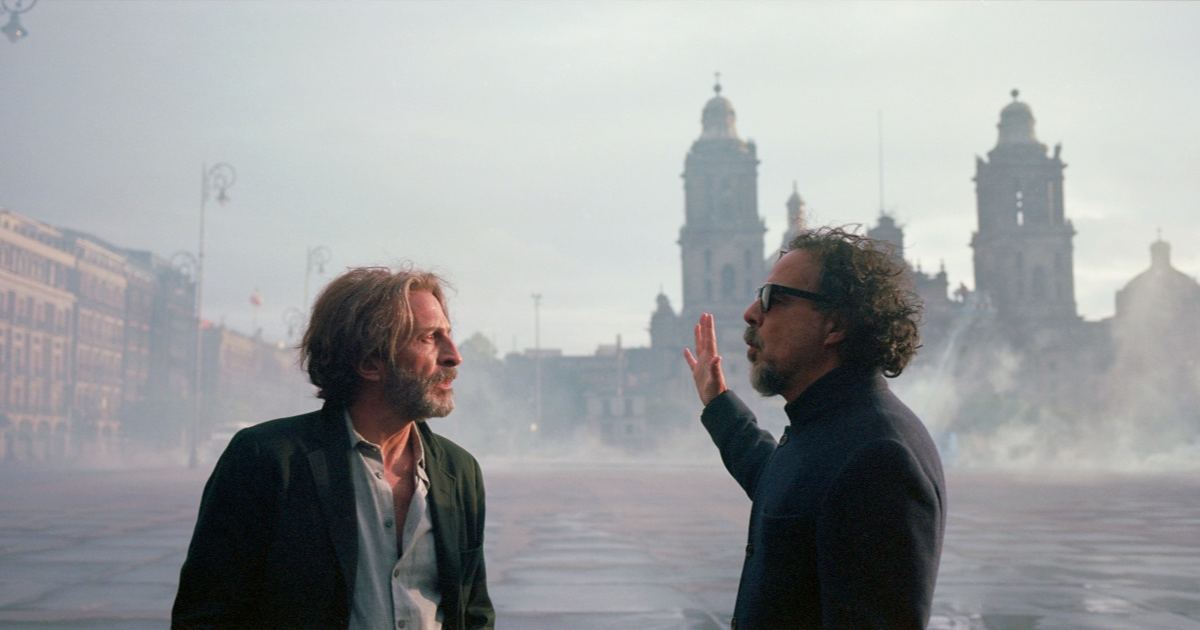
LOS ANGELES — Alejandro Inarritu, the award-winning Mexican director known for making psychological films, described his latest epic black comedy drama film, "Bardo, False Chronicle of a Handful of Truths," as an "out of fiction film."
The 59-year-old director-writer-producer said that his first feature after seven years is not semi-autobiographical.
"I will say that, more precisely, it's an out of fiction. Out of fiction means that I went into introspection to find some personal things that I was ready to share. Then after that, I fictionalized through an alter ego that I used to really navigate through these emotions, dreams, feelings, reflections and things, in a fictional way," he said.
"But yes, they depart from a very intimate and personal thing that I know very well. But it's not autobiographical because I don't believe in biographies because of lies. I think sometimes fiction can really reveal what their reality hides and it can elevate a higher way of truth, how those things are seen."
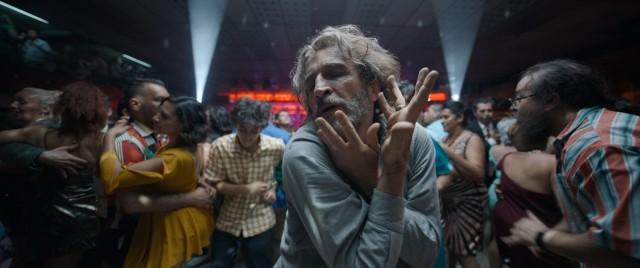
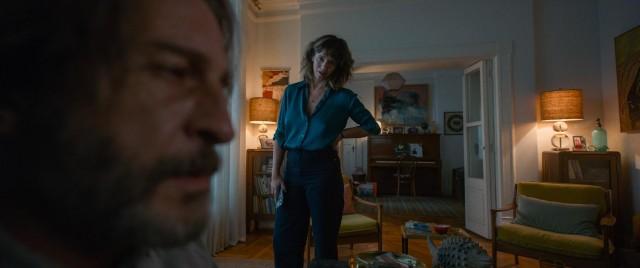
The film, which is Inarritu's first movie to be fully filmed in Mexico since "Amores perros" in 2000, follows the 60-ish Silverio Gama (Daniel Gimenez Cacho), a Mexican journalist turned documentarian who begins having an existential crisis in the form of dreamlike visions. It also stars Griselda Siciliani as Lucia Gama, the wife of Silverio.
We were able to interview Inarritu in person in Los Angeles.
In one interview you mentioned this is your most challenging filmmaking. Why did you say that?
It's because the fabric of this film is made by very, very elusive, un-material elements. To turn those ideas and dreams and feelings into ideas is a very complicated process. And then to make sense of them, because this is a story with no story, there's no recipe, there's no structure, there's nothing to really...
It works as a lucid dream, that you are realizing that you are dreaming, but it's navigating in very liquid elements.
There's nothing to really gravitate. The gravitational force is in the motion only. Then to turn those ideas into a sequence, and then to execute it, and to have the feeling of those materials that are, again, elusive, it was very, very challenging. And technically, it was very, very challenging too.
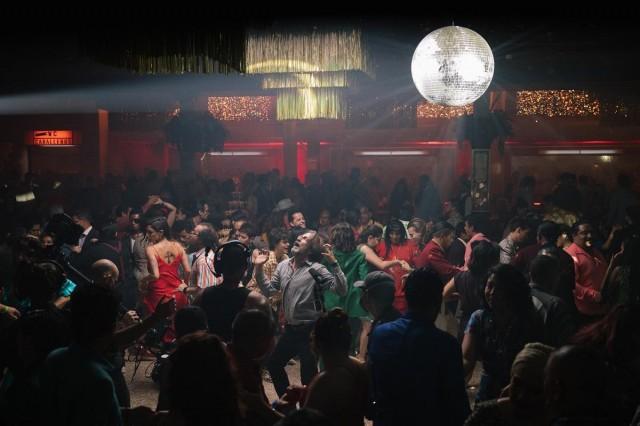
Talk about the casting of your main character, Daniel Gimenez Cacho. It's his first time to work with you. Right?
Yes, it was his first time to work with me. Daniel is maybe one of the most famous and well-respected actors in Mexico and Latin America. I like his work a lot. But it was not only because his craft and talent, but we are of similar age, similar circumstances. It was very clear for me, since the first meeting, that we were connected cosmically, that there was a lot of coincidence. And I knew that he will understand perfectly, the character.
I know he's portraying a journalist. Was the character like an amalgamation of journalists that you know?
When you do films and you depart from some realities, you have to do a lot of research. You go into some kind of journalistic investigation about themes or things that you really would like to get the real shot, even when you have to fictionalize them or base on. It's important.
I think something that was important for me was "Carne y arena," which was a virtual reality installation. I interviewed more than 500 immigrants who crossed the border in very tough circumstances. In a way, I think the character is dealing with truth, or with reality and fiction. What is what? Reality and imagination, the film is moving all the time through that.
He, as a journalist, filmmaker, or documentarian, it's like docu-fiction. He's navigating in that uncertainty. Which I personally, I, are. I don't know what is true anymore. I think the internet has opened that new reality of not a reality. The fiction and reality are basically in the same space now. And that's what I wanted to talk about.
When I was watching the film, I had lots of questions for myself as well. It makes you think about your purpose in life and all that stuff. One of the things that the journalist was concerned was, the awards. They don't matter to him anymore. You recently got an award from the Tokyo Film Festival. How do you relate to the character, regarding awards?
I think it's like what the father said, "With success, you take a sip, do a couple of glub, glub, glub, and then spit it." I think if you take perspective on them, you just have to take it. Sometimes people think as goals or success as a place to be and stay, and that will change everything.
It's not, it's impermanent. It's easy, like a cloud it just passes, and that's it. It doesn't change nothing. You can enjoy them, but not really take them seriously as something that will change you.
An award will never make my film better or it will never make a film worse. You know what I mean? It's about how you take it. There's nothing wrong or bad, you just don't take it too seriously. Let's put it that way.
—MGP, GMA Integrated News

