

 GMA Brandtalk
 Tracking
 Archives

SONA 2025: Marcos vows overtime pay for teachers, pushes digital learning upgrades
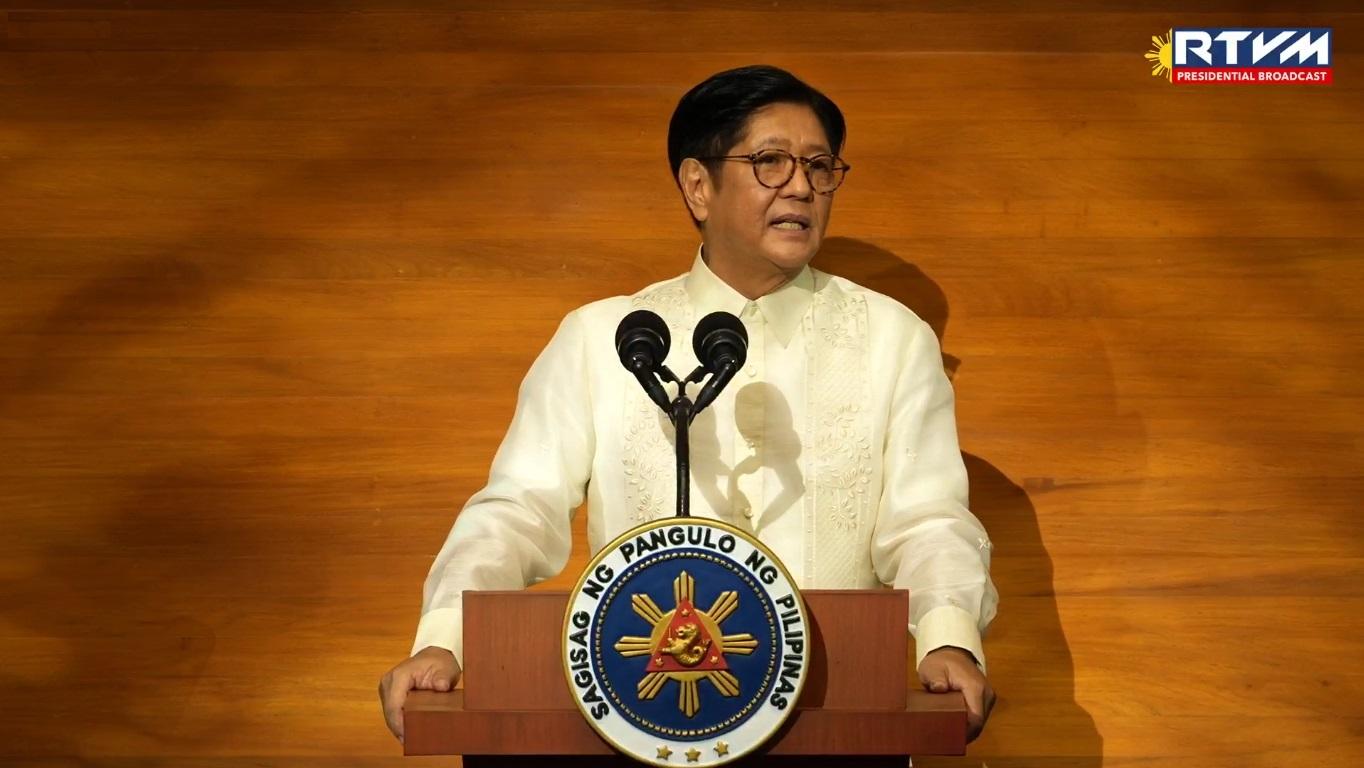
President Ferdinand "Bongbong" Marcos Jr. on Monday promised long-awaited reforms for public school teachers, including compensation for overtime work and teaching overload, while ramping up efforts to digitalize education nationwide.
In his fourth State of the Nation Address, Marcos acknowledged the daily burdens faced by teachers, pledging stronger institutional support to ensure their well-being and effectiveness in the classroom.
“At ngayong school year na ito, makakatanggap na kayo ng kabayaran para sa inyong teaching overload at para sa inyong overtime,” he said.
(This school year, you will start receiving compensation for your teaching overload and overtime.)
The announcement comes after years of appeals from education stakeholders for fairer compensation. Teachers’ groups have long called out unpaid extra hours due to paperwork, lesson planning, and administrative tasks.
To ease the workload, Marcos said his administration had already removed nearly 100 non-teaching documents previously required from teachers. The rest, he noted, would soon be digitalized—streamlining processes to allow teachers to focus more on instruction.
“Gagawin na din nating digital ang mga natitira pang papel na kailangan ninyong asikasuhin. Para puwede na ninyo itong gawin online—diretso na mula sa inyong mga bagong laptop!”
(We will digitize the remaining documents you need to process—so you can do them online, straight from your new laptops!)
As part of the broader digital push, Marcos announced that laptops for public school teachers are being distributed, assuring the public there were no irregularities in procurement.
“Ngayo'y nagdaratingan na ang mga laptop na laan para sa bawat guro sa public school. Tiniyak natin na walang anomalya sa pagbili ng mga laptops na ito,” he said.
(Laptops intended for every public school teacher have started arriving. We made sure that there were no anomalies in the purchase of these laptops.)
Supporting this digital shift are additional learning technologies such as smart TVs, free Wi-Fi in last-mile schools, and SIM cards with data load under the “Bayanihan SIM” initiative.
“Nakahanda na ang mga high-tech at digital na mga materyales, mga smart TVs, libreng Wi-Fi, at libreng load sa Bayanihan SIM card,” the President said.
(High-tech and digital materials, smart TVs, free Wi-Fi, and free load through the Bayanihan SIM card are now ready.)
These resources aim to equip both learners and educators with tools that match modern-day demands—especially critical as the country continues to recover from pandemic-era learning disruptions.
Marcos emphasized that educational recovery remains at the core of his administration’s priorities. Programs like the Academic Recovery and Accessible Learning (ARAL) initiative, early childhood care development, and expanded remedial and tutoring sessions were cited as key efforts.
Still, he pointed out that the nation continues to face serious challenges in learning outcomes, particularly in reading, math, and science. To address this, the President stressed the need for both systemic interventions and teacher empowerment.
In his SONA 2025, Marcos also reiterated the need for outcome-based performance metrics, moving away from a mere headcount of passed students.
“Asahan po ninyo na hindi gagawing sukatan ng galing o ng performance ninyo ang dami lamang ng estudyanteng inyong pinapasa. Kundi, ang dami ng mag-aaral na inyong pinapahusay at pinapataas ang ambisyon sa buhay,” he told teachers.
(Rest assured, your performance will no longer be judged merely by the number of students you pass, but by how many you empower and inspire to aim higher in life.)
In line with addressing the education workforce shortage, Marcos said the government had added 60,000 new teaching positions, giving jobs to thousands of licensed educators. He also reiterated support for expanding classroom infrastructure, with 40,000 new classrooms targeted before the end of his term.
Marcos concluded the education segment of his address by calling on Congress for continued budgetary support, emphasizing that investment in education is investment in the nation’s future.
“Kung tayo ay nagpupundar ng malaki para sa imprastraktura, mas malaki pa ang pinupundar natin para sa ating mamamayan,” he declared.
(If we are investing heavily in infrastructure, we are investing even more in our people.) —AOL, GMA Integrated News

