

 GMA Brandtalk
 Tracking
 Archives

Construction of 3 ADB-funded Marikina bridges to start in 2023 —DPWH
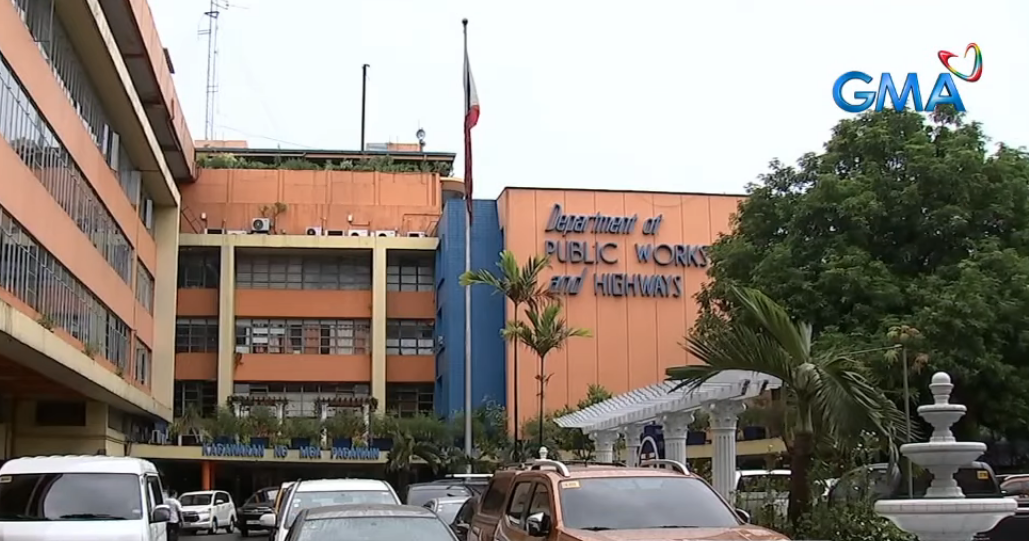
The Department of Public Works and Highways (DPWH) said Wednesday the Asian Development (ADB)-funded construction of three bridges crossing over the Marikina River is expected to start next year.
During the House Organizational Meeting of the Committee on Flagship Programs and Projects, DPWH Senior Undersecretary Emil Sadain said the civil works for the P12.028-billion Metro Manila Bridges Project will begin in 2023 and will be finished by 2026.
Sadain said the project already has a completed detailed engineering and design, and the preparation for procurement for civil works and consulting services for construction supervision are ongoing.
“Ceremonial exchange of loan documents between the government of the Philippines and the ADB took place on March 30 this year,“ the DPWH official said.
In December last year, the Philippines secured $175 million in loans from the ADB for the funding of three new bridges over the Marikina River to improve Metro Manila's vehicular traffic condition.
The project involves the construction of the two-lane Marcos Highway-St. Mary Bridge with a total length of 1,606.3 meters, including the main bridge with a length of 325 meters.
The project also covered the construction of another two-lane Homeowners Drive-A. Bonifacio Ave. Bridge with a total length of 691 meters, inclusive of the 461.5-meter main bridge.
Lastly, the ADB-funded project will cover the construction of the four-lane Kabayani-Matandang Balara Bridge with a total length of 726.3 meters, including the 364-meter main bridge.
The previous administration initially expected to begin the construction of the three bridges within the first half of 2022.
The project forms part of the previous government’s Build, Build, Build infrastructure program.
Former Finance Secretary Carlos Dominguez III said the project will have a “high multiplier effect and job-generating potential.”
Among the key design feature of the three ADB-funded bridges is their ability to absorb strong earthquake shocks and reduce flood risks in the area, making them climate- and disaster-resilient. —LBG, GMA News

