

 GMA Brandtalk
 Tracking
 Archives

With more houses, buildings, Solidum says NCR should always prepare for 'Big One'
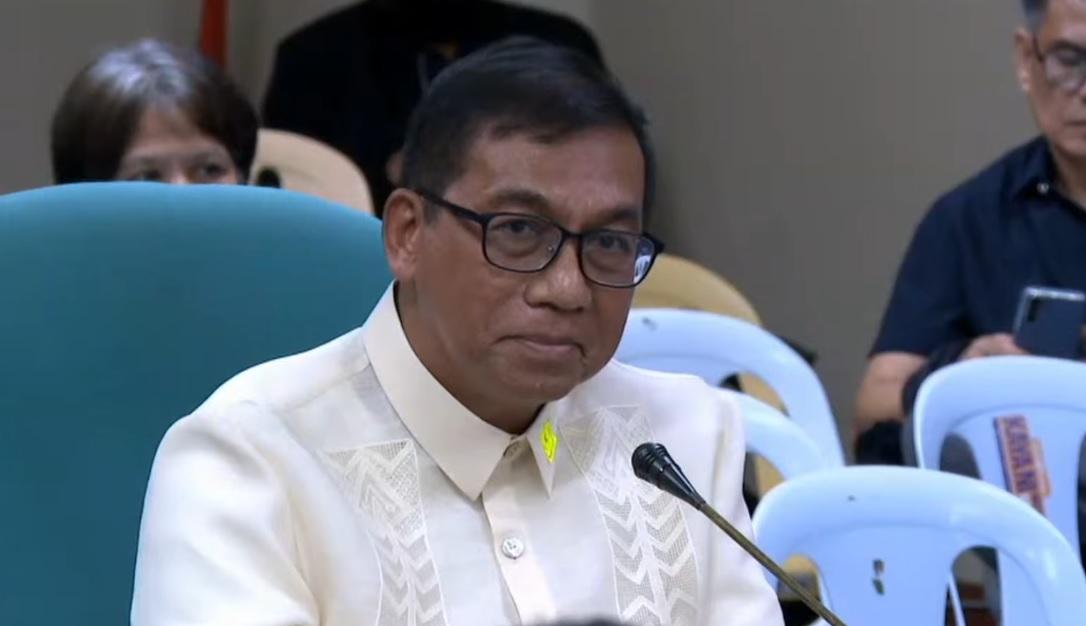
With more buildings and houses for its population, the National Capital Region (NCR) should always brace for the "Big One," a 7.2-magnitude earthquake or stronger.
In the wake of the magnitude 6.9 earthquake that rocked Cebu and other areas in the Visayas, which killed over 60 people, the Department of Science and Technology (DOST) warned that should an earthquake of a lesser magnitude strike Metro Manila, "tens of thousands will lose their lives."
"Kunyari 6.5 na lindol dito sa kalagitnaan ng West Valley Fault, tens of thousands ang ating casualty (For example, if a 6.5 earthquake strikes in the middle of the West Valley Fault, then "tens of thousands will lose their lives." DOST Secretary Renato Solidum, Jr said in an ambush interview at the House of Representatives.
"This is because there are too many buildings and population. So the more buildings, the more population, the higher the potential impact," Solidum explained.
The Philippine Institute of Volcanology and Seismology (PHIVOLCS) has been conducting information campaigns and leading earthquake simulation drills to prepare the country, particularly Metro Manila, for the so-called "Big One."
"Earthquakes are not easy events to prepare for. But it can be prepared for by making sure that our houses, our infrastructures, the places where we visit, like churches or malls, are earthquake-resistant," Solidum stressed.
"Ang pinsala kasi ay hindi lang sa lakas ng paglindol kundi yung kalidad na mga bahay at gusali na nandoon sa lugar na yon (The damage is not about the strength of the earthquake, but the quality of houses and structures in an area)," he added.
Solidum said that there are "non-engineered houses" that were not planned by engineers and do not comply with the building code.
"Marami tayong nabalitaan na namatay dahil bumagsak ang wall. May mga nadaganan ng wall. Kasi yung wall, kung titingnan natin sa parte ng bahay, yan ang madalas masira kumpara sa mga poste at biga. Kasi hindi masyadong structurally-resistant yung mga wall," Solidum explained.
(We heard of reports of people being pinned down by walls because the wall is not structurally resistant.)
Old churches also crumbled during the earthquake because Solidum said, these are not reinforced by steel.
PHIVOLCS has dispatched a team of experts to Cebu to monitor aftershocks and assess the geological impacts.
They will also help local government units conduct an information campaign to explain the situation to residents and help them overcome their fears of returning to their homes.
"Kasi ang aming experience, nagpa-panic minsan. May mga experience kami na ayaw matulog ng ating mga kababayan sa mga bahay na wala namang damage. Usually, after three days, puwede na, di ba?" Solidum said.
(From our experience, people sometimes panic. Some do not want to sleep in their homes, which are not really damaged. Usually after three days, it is already safe to return, right?)
He also said that local government units must inspect houses and buildings to assess damage and recommend what residents can do.
The DOST-Phivolcs developed an app called "How Safe is my House" for the public to check whether their one to two-storey concrete houses can withstand earthquakes.
Aside from ducking, covering, and holding during an earthquake, Solidum advised the public to position themselves in corners of houses and to stay away from walls.
"Paghandaan natin ang mga posibleng panganib ng lindol. Hindi lang yung pagkasira ng bahay. Malambot na lupa, liquefaction, puwede ba magka-landslide, at siyempre, nasaan yung mga fault. So pwede po nilang hanapin sa Hazard Hunter PH app ng DOST-Phivolcs yung mga yun," Solidum said.
(Let's prepare for the possible dangers of earthquakes. It can not only damage houses. There's liquefaction, which can result in landslides. We should also be aware of where the Faults are. We can check the Hazard Hunder PH app of DOST-Phivolcs).
Those living on slopes should also be on the lookout for cracks in the soil, which may result in landslides in case of rainfall.
When driving on a bridge during an earthquake, Solidum said drivers should park on the side and away from lampposts. —LDF, GMA Integrated News

