

 GMA Brandtalk
 Tracking
 Archives


DENR launches restoration program for wetlands, rivers amid El Niño
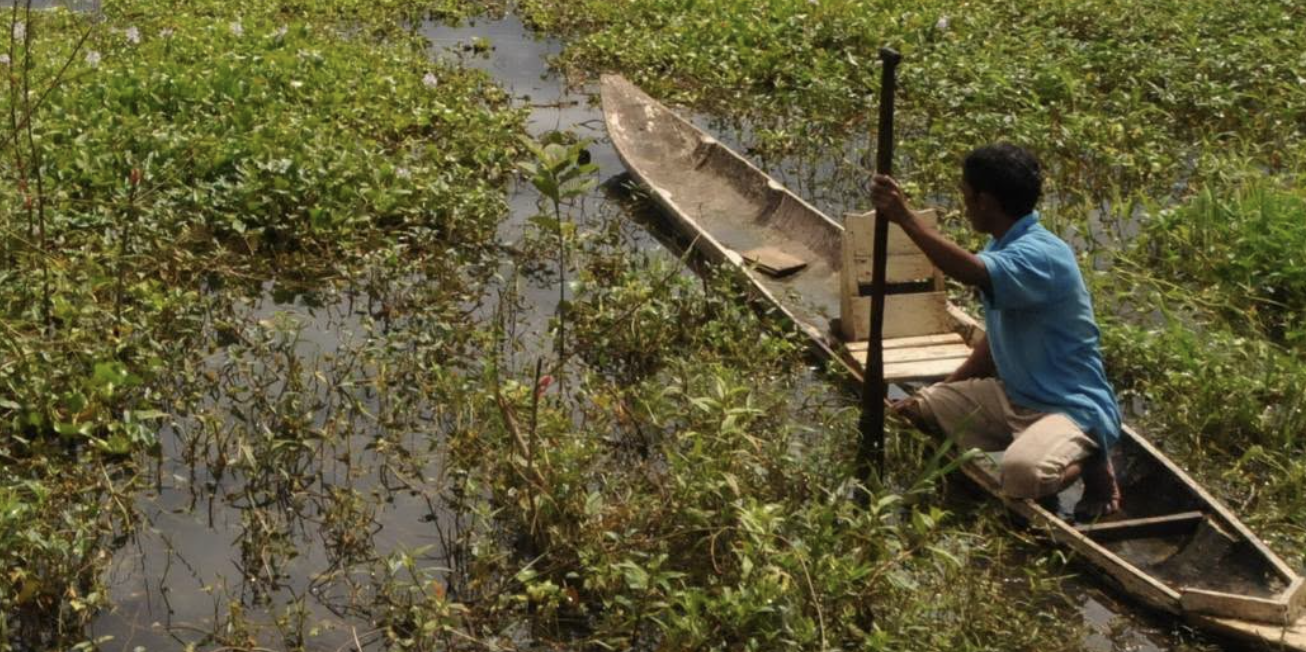
The Department of Environment and Natural Resources (DENR) launched a nationwide program to restore critical wetlands, rivers, and coral reefs to mitigate the impact of drought brought by the strong El Niño.
“We are ensuring that our ecosystems remain functional buffers against extreme heat. Protecting our wetlands, rivers, and reefs nationwide is one way of protecting the communities and ensuring environmental survival,” said Environment Secretary Juan Miguel Cuna in a statement.
“By extracting nearly 100 metric tons of waste from Manila Bay tributaries, preserving the delicate hydrology of the Agusan Marsh peatlands, and protecting heat-stressed coral reefs in Masbate and Aurora, we are taking concrete steps to help ecosystems withstand the impacts of El Niño and strengthen the resilience of communities that depend on them,” he added.
The department said that various restoration efforts in various regions have been implemented.
For instance, in the National Capital Region and Central Luzon, the DENR partnered with the Department of Labor and Employment’s TUPAD program in deploying River Rangers to remove 15,267 sacks of solid waste from Pampanga waterways, preventing obstructions and maintaining water flow.
In the Agusan Marsh Wildlife Sanctuary in Caraga region, reforesting riparian buffers and monitoring drainage canals were implemented to preserve peatlands that store carbon, regulate water, and cool surrounding areas.
Moreover, the DENR said that regional offices in Bicol and Central Luzon are actively monitoring marine heat stress and coral bleaching in Masbate,Aurora, Bataan, and Zambales.
State weather bureau PAGASA said the upcoming El Niño could last until March or even June. Around 40 provinces are expected to experience lesser rainfall during the dry spell and drought. By January, it is expected the number of affected provinces could double.
Other than the drier weather, temperatures are also expected to rise up to 38.7 degrees Celsius.
The DENR earlier said that it has deployed early warning systems in several regions to monitor the potential effects of a strong El Niño and help authorities respond before severe environmental damage occurs.
The department said the systems use automated weather stations (AWS), satellite-based heat stress monitoring and Geographic Information System (GIS)-based risk modeling to track environmental conditions and identify areas at risk. — LA, GMA News

