

 GMA Brandtalk
 Tracking
 Archives

Supreme Court to test computerized Bar exams
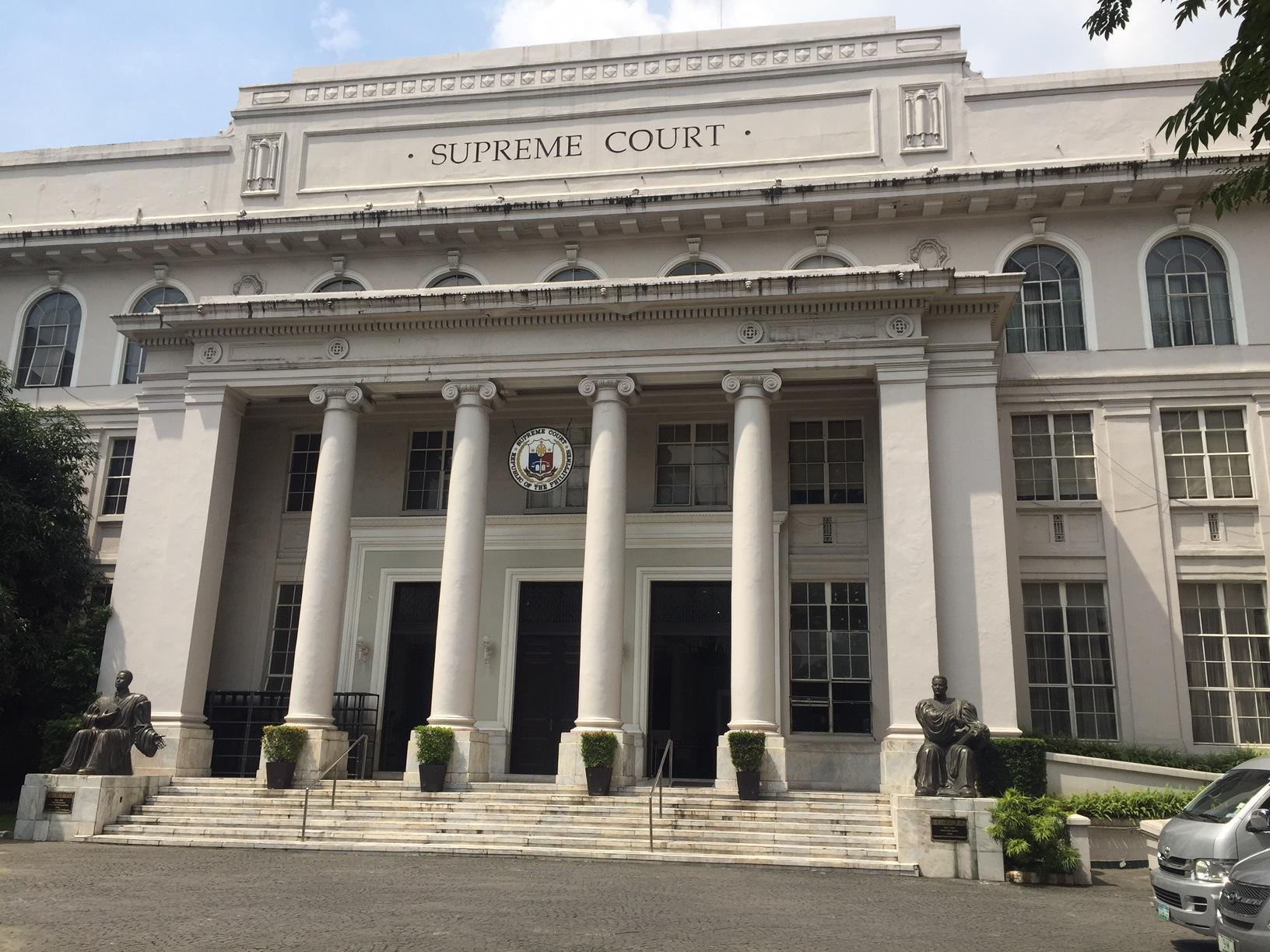
The Supreme Court (SC) will test this year the viability of a computerized Bar exam system proposed to take the place of the traditional handwritten examinations for aspiring lawyers.
Associate Justice Marvic Leonen, the 2020/21 Bar chairperson, said the court en banc has resolved to explore the possibility of computerizing the Bar exams under a "localized and proctored setting," envisioning a faster evaluation time and the earlier release of results.
He said the handwritten examinations have long been considered "to affect the evaluation of answers and distorted the playing field."
To test the proposed system, the justice said two mock Bar exams will be held in several law schools, among other activities, within the next few months.
He said the court will announce the modality of the 2020/21 Bar examinations in the first quarter of 2021. In another departure from tradition, next year's exams will be held not only in Manila, but also in Cebu City.
Leonen also said the SC has approved the creation of a three-member Committee of Bar Examiners for each Bar subject to make the preparation of questions and the evaluation of answers more efficient, in anticipation of a projected increase in examinees.
The Bar exams for this year had to be postponed to November 2021 due to the COVID-19 pandemic. The exams were previously held during the four Sundays of November at the University of Santo Tomas in Manila.
"These innovations reflect the Court's leap toward a more inclusive and fair admission to the practice of law. Such measures are not only necessary but also inescapable consequences of our current demands," Leonen said.
"The COVID-19 pandemic ignited the resolve to effect the much-needed reforms in a system long pervaded with inequities. Ultimately, they ensure more reliable and equitable Bar Examinations," he said.
Leonen said last year that he also intended to propose to the court a pass-or-fail exam system.
The Bar exams cover eight subjects: political and international law, labor law and social legislation, civil law, taxation law, mercantile law, criminal law, remedial law, and legal and judicial ethics.
Leonen said in another bulletin that the scope and cutoff of canonical jurisprudential doctrines to be covered by the exams will be extended to September 30, 2020. The cutoff for laws, rules, and issuances remains until June 30, 2019.
The previously issued syllabi remain unchanged, he said.
In the 2019 Bar exams, 2,103 candidates out of the 7,685 takers passed. — RSJ, GMA News

