

 GMA Brandtalk
 Tracking
 Archives

Teenage pregnancies may spike in typhoon-hit areas, Gatchalian warns
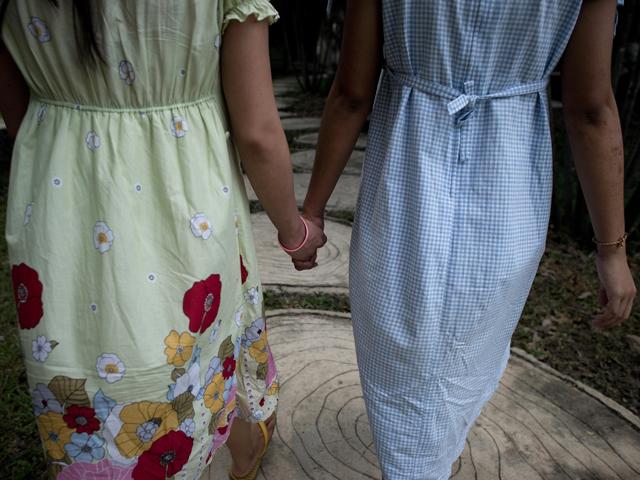
The government should be on the lookout to prevent a possible increase on teenage pregnancies in typhoon-hit areas, Senator Sherwin Gatchalian said Thursday.
“Ang epekto ng pandemya ay isa nang posibleng sanhi ng pagdami ng mga batang ina sa bansa. At dahil sa mga nagdaang bagyo, ang mga batang babae sa mga nasalantang lugar ay mas nanganganib na mabiktima ng karahasan, pang-aabuso, at maging mga batang ina,” Gatchalian, chairperson of Senate committee on basic education, said in a statement.
Girls aged 10 to 19 are most vulnerable to getting molested or pregnant during their stay in evacuation centers, he added.
After Typhoon Yolanda hit Eastern Visayas in 2013, 23.5% from the region’s total population of teenage girls got pregnant, the senator said, citing a 2017 study from the Department of Science and Technology-National Research Council of the Philippines.
The study showed that 14.8% of these teenage moms had another child the following year.
To prevent this from happening, the local government units must ensure protection for them and work on the resumption of education services to "restore normalcy" for affected children, Gatchalian said.
The senator also pushed for the integration of comprehensive sexuality education in schools to empower the youth against teenage pregnancy through awareness, and secure their future.
Typhoon Ulysses, the most recent cyclone to batter the country in the middle of the COVID-19 pandemic, displaced over a million families or 4.28 million individuals throughout Ilocos Region, Cagayan Valley, Central Luzon,
Calabarzon, Mimaropa, Bicol Region, Metro Manila, and Cordillera Administrative Region, according to the National Disaster Risk Reduction and Management Council.
In June, the Commission on Population and Development projected that nearly two million Filipino women between ages 15 and 49 years old are expected to get pregnant this year due to mobility restrictions under quarantine and the reduction of access to family planning supplies.
This would push the number of births to almost 1.9 million come 2021, the highest in the country since 2000.—AOL, GMA News

