

 GMA Brandtalk
 Tracking
 Archives

COA: PhilHealth scheme lacked safeguards vs. improper payments
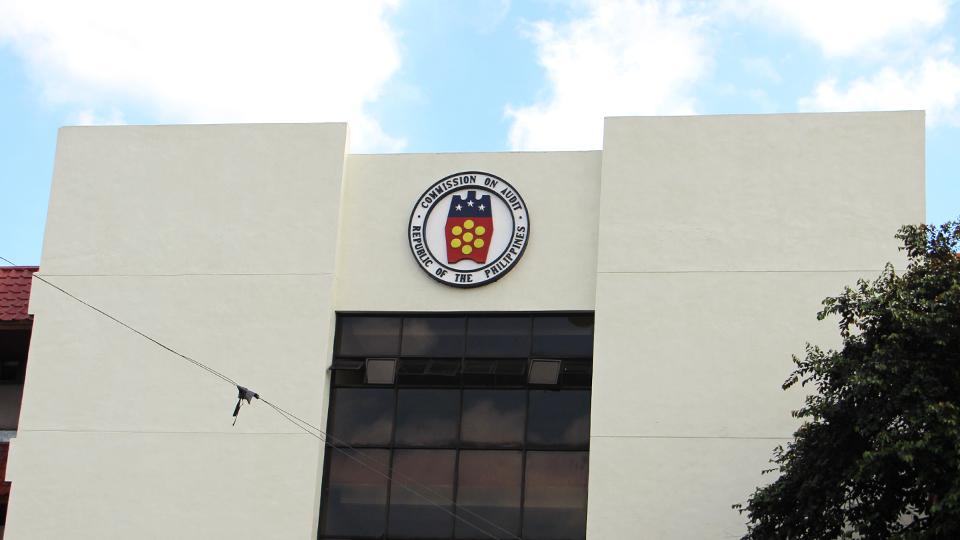
The Philippine Health Insurance Corporation's (PhilHealth) All Case Rate (ACR) payment scheme sped up the reimbursement process but lacked mechanisms to detect and prevent improper payments, the Commission on Audit (COA) said Wednesday.
State auditors made the statement after conducting a performance audit of the ACR scheme that covered its initial implementation in 2011 until June 30 last year.
Under the ACR system aimed at incentivizing health care institutions (HCIs) to be more efficient, PhilHealth pays all claims using a case rate or a fixed rate for each covered case or disease.
“If the case rate for a specific treatment is lower than the actual cost, the HCI will try to be more efficient in the costing of the treatment. On the other hand, if the case rate is higher than the actual cost, the HCI gets to keep the difference as a form of ‘efficiency gains,’” COA said.
State auditors said the scheme, along with the implementation of an electronic claims system, improved the turnaround time for reimbursement claims of HCIs from 55 days in 2010 to 19 days in 2019.
The COA pointed out, however, that PhilHeath was “remiss” in conducting an annual or periodic review of the system to determine whether the case rates reflect actual costs.
“This was not done, and any savings from such adjustments could have been used to augment the Reserve Fund,” it said.
The commission also said PhilHealth’s mechanisms to prevent and detect improper payments were “deficient and underperforming due to the deficiencies in the design and performance of controls, insufficiency of human resources, and inadequacy of strategy to mitigate the effects of the first two problems.”
State auditors cited as an example the Medical Prepayment Review (MPR) established by PhilHealth in 2019 to monitor four illnesses vulnerable to fraud.
“From March 1, 2019 to June 30, 2020, a total of 878,876 claims should have undergone MPR but only 252,408 claims were reviewed. Of the remaining 626,648 claims, 443,162 claims were paid by PhilHealth despite not undergoing MPR,” they said.
Similarly, PhilHealth’s Medical Post-Audit mechanism, intended to detect improper payments after HCIs have received reimbursements, only managed to post-audit 3.20 million of the 16.48 million claims from 2014 to June 30, 2020.
“If only to highlight the importance of the control mechanisms, from 2011 to 2020, PhilHealth paid P665.28 billion to HCIs representing reimbursement of 67.95 million claims,” COA said.
State auditors recommended an “extensive review” of case rates to include the Case Type Z Benefit and COVID-19 packages to ensure reasonable rates, minimal efficiency gains, and address deficiencies.
“In the event PhilHealth proceeds with the shift from the ACR to the Diagnosis Related Group – Global Budget system, then the same observations and recommendations should be considered in the system and the implementation thereof,” they urged.
COA also suggested that PhilHealth create a mechanism to empower its members to detect improper payments “by increasing their level of awareness about ACR as well as their engagement and provision of feedback.”—LDF, GMA News

