

 GMA Brandtalk
 Tracking
 Archives

Gov't execs can’t use condonation doctrine if reelected on April 12, 2016 or later, SC reminds
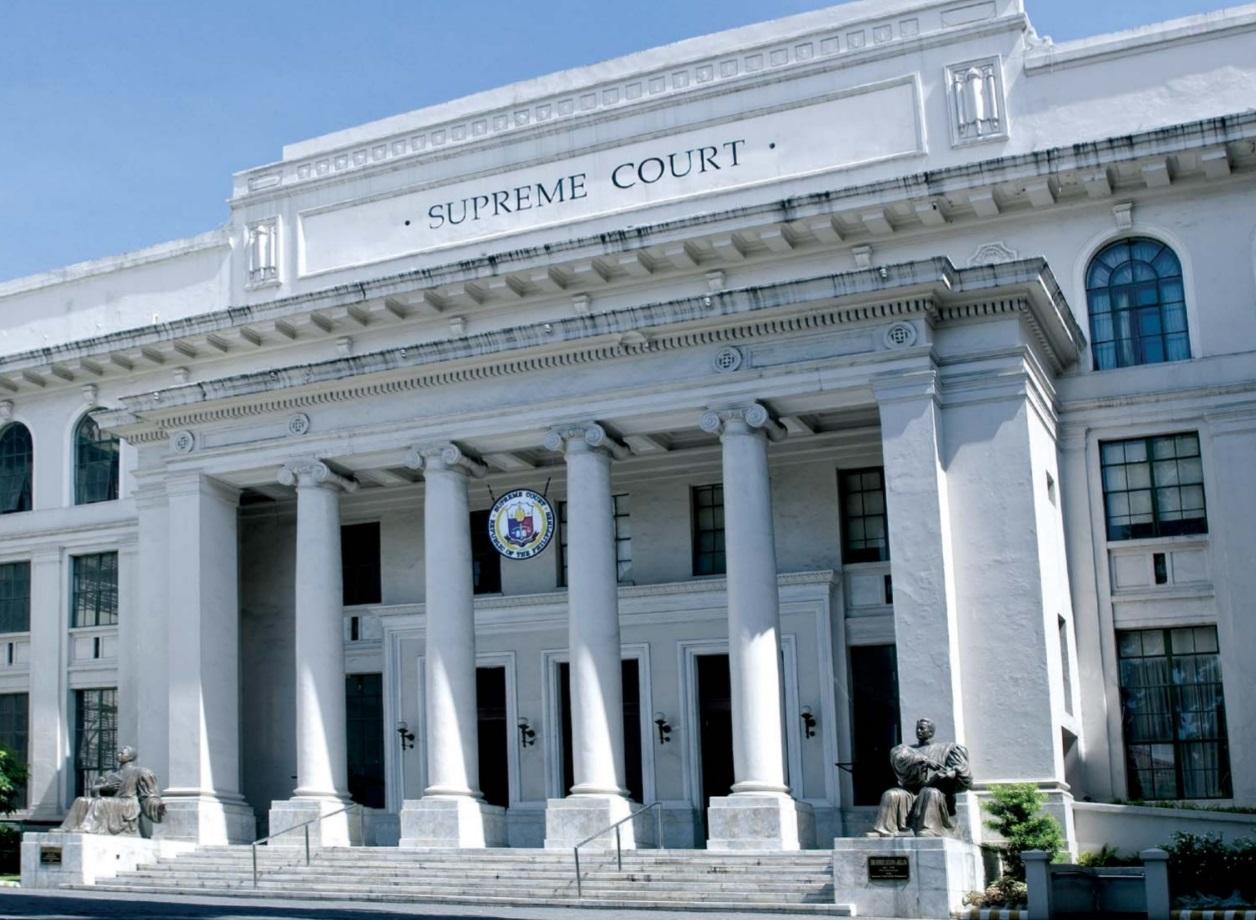
Public officials accused of administrative liability cannot invoke the condonation doctrine if they have been reelected on or after the day the Supreme Court (SC) abandoned the rule with finality.
The doctrine prevents the removal of an elected public official over an administrative offense committed during his previous term if he secures reelection.
Such defense, however, is no longer available if the official’s reelection happened on or after April 12, 2016, the SC said in a ruling last November.
The SC made the clarification after it affirmed the Court of Appeals’ (CA) dismissal of the charges of serious dishonesty and grave misconduct against Puerto Princesa City Mayor Lucilo Bayron and his son Karl.
According to the SC, the doctrine was applicable to Bayron’s case following his victory in the recall elections in May 2015, rendering moot the administrative charges filed in 2013.
“The doctrine of condonation, however, cannot be extended to Lucilo's reelection during the May 2016 elections. By then, the doctrine had already been abandoned, and his reelection no longer had the effect of condoning his previous misconduct,” the high court said through Associate Justice Edgardo delos Santos.
The SC also said the doctrine covers reelection through regular and recall elections.
“There should be no distinction as to the manner of reelection in the application of the said doctrine where none is indicated,” it said.
The Office of the Ombudsman ordered the dismissal of Bayron and Karl in November 2016 because the mayor hired the latter to head an environmental task force without disclosing their biological relationship.
Bayron argued that the position was non-plantilla and confidential in nature but the Ombudsman said the disclosure of their filial relationship was still necessary.
The SC abandoned the doctrine for being contrary to the 1987 Constitution's mandate of holding all public officials and employees accountable to the people at all times.
In a ruling penned by Associate Justice Estela Perlas-Bernabe in 2015, the SC said the condonation doctrine should be abandoned for lack of basis in the Constitution and law, adding that it is "bereft of legal basis" and that none of the provisions under the Local Government Code on the discipline of public officers stated that the administrative liability of a public official is extinguished by the fact of re-election.
The court, however, clarified at the time that the abandonment of the condonation doctrine should be prospective in application. -MDM, GMA News

