

 GMA Brandtalk
 Tracking
 Archives

SC Justice Bernabe to OSG: Can a suspected terrorist be arrested due to an anonymous tip?
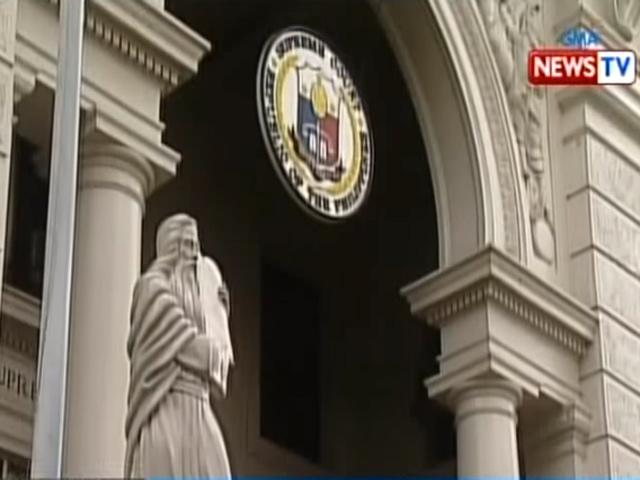
Supreme Court (SC) Senior Associate Justice Estela Perlas Bernabe on Wednesday asked government lawyers whether a person can be arrested on the basis of an anonymous tip that he is involved in terrorist activities.
Bernabe raised the question during the resumption of oral arguments on the petitions challenging the constitutionality of the anti-terror law.
Assistant Solicitor General Marissa dela Cruz-Galandines replied the person should not be arrested unless he performed acts which would justify warrantless arrest.
Galandines also underscored the importance of personal knowledge in linking a person to terrorism.
Bernabe also asked what legal remedy a suspected supporter of terrorists can avail to protect his privacy of communications.
“If he could successfully mount a challenge to this he may invoke the extraordinary remedy of habeas data,” Galandines replied.
A petition for writ of habeas data can be filed before the court by anyone whose right to privacy in life, liberty or security is violated or threatened by an unlawful act or omission of a public official or employee, or of a private individual or entity.
The Office of the Solicitor General also defended the power of Anti-Terrorism Council headed by the Executive Secretary to designate an individual, groups of persons, organization, or association, whether domestic or foreign, as terrorist/s “upon a finding of probable cause” with regard to participation in acts of terrorism.
“When a designation is made, it affects the reputation both of the person and the property of the designee, is that not correct?” Chief Justice Alexander Gesmundo told Galandines, who replied, “We admit Your Honor.”
Gesmundo also asked if designation should be covered by the due process clause of the 1987 Constitution.
“We submit that designation provided for by the ATA (Anti-Terrorism Act of 2020) is an executive proceeding Your Honor that would not require notice to the parties and therefore is not violative of the due process clause of the Constitution,” Galandines said.
The top magistrate countered this, saying an administrative proceeding is covered by due process clause.
“That is too elementary in administrative law. Due process clause applies practically in all proceedings: civil, criminal, administrative, what have you. It’s even worse. It’s an executive proceeding. It could have been different if it was a judicial proceeding,” Gesmundo said.
“Is the reputation of a person not covered by the concept of property [under] the due process clause?”—LDF, GMA News

