

 GMA Brandtalk
 Tracking
 Archives

Bill further strengthening Sangguniang Kabataan gets Senate's final nod
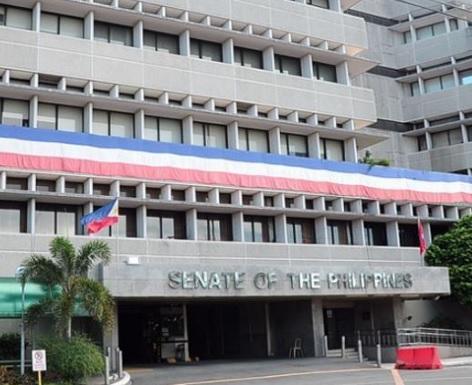
The Senate on Thursday approved on third and final reading the bill that will further strengthen the Sangguniang Kabataan (SK).
Voting 23-0-0, the Upper Chamber unanimously approved Senate Bill 2124 which seeks to amend Republic Act 10742 or the Sangguniang Kabataan Reform Act of 2015, revitalizing youth participation in governance.
In a statement, Senator Sonny Angara, author and sponsor of the bill, said the proposed measure will further empower the SK by addressing various issues that have been raised about the organization.
“In the past, there were calls for the abolition of the SK due to questions about its relevance and the supposed politicization of its youth members. I still believe that the youth should play a bigger role in nation building and a reformed SK law will help in achieving this,” he said.
Among the amendments introduced by SB 2124 is the grant of monthly honoraria to the SK members, secretaries, and treasurers.
Currently, Angara said only the SK chairpersons are entitled to honoraria by virtue of their status as ex-officio members of the Sangguniang Barangays.
The SK funds will cover for the said allowances, subject to the guidelines issued by the Department of Budget and Management.
A cap of 25% for the utilization of the SK funds for personnel services was also placed to ensure that the bulk of the budget allocated to the SKs will go to programs and projects that will benefit the youth, the lawmaker said.
The bill also provides for programs and projects such as student stipends, food, book, and transportation allowances; sports and wellness projects; skills training, summer employment, cash-for-work, on-the-job training, and livelihood assistance.
SB 2124 likewise includes projects promoting the participation of the youth and their initiation in agricultural, fishery, and forestry enterprises; programs and activities that address context-specific and intersectional vulnerabilities of young people; and capacity building for grassroots organization and leadership.
Apart from the honoraria, the bill also entitles the SK chairperson, the elected and appointed members through their own local ordinances, to receive an additional honorarium from the local government units, as well as social welfare contributions and hazard pay.
The requirement for the SK treasurer will also be amended through SB 2124 as it now requires the individual to have an educational or career background in business administration, accountancy, finance, economics or bookkeeping and must be a bonded officer.
“We also expanded the age range for the SK treasurer to 18-30 so that there will be a bigger pool of candidates from which the SK will appoint this key officer given the competency that will now be required of them as treasurers,” Angara said.
Under the proposed measure, the SK officials will be exempted from taking any of the components of the National Service Training Program.
They will also be entitled to appropriate Civil Service Eligibility, provided that they have rendered their full terms of office.
The proposed law will also require the appointment of a Local Youth Development Officer within the year of the effectivity of the law.
Moreover, the bill mandates the presidents of the Panlalawigan Pederasyon ng mga Sangguniang Kabataan and the presidents of the Panlungsod na Pederasyon ng mga Sangguniang Kabataan of highly urbanized cities and independent component cities to elect from among themselves one representative each from Luzon, Visayas, and Mindanao to serve as members of the National Advisory Council of the National Youth Commission (NYC).
The presidents of the said organizations will also elect among themselves one representative who shall sit as an ex-officio member of the NYC.
“Our youth represent a growing share of our electorate so we must support platforms that help engage them. Our work in reforming and improving the SK must continue, because the alternative—of not providing youth leadership and capacity building opportunities—would be worse,” Angara said.—AOL, GMA News

