

 GMA Brandtalk
 Tracking
 Archives

DOE looks into ‘sabotage’ in power plant outages, eyes charges
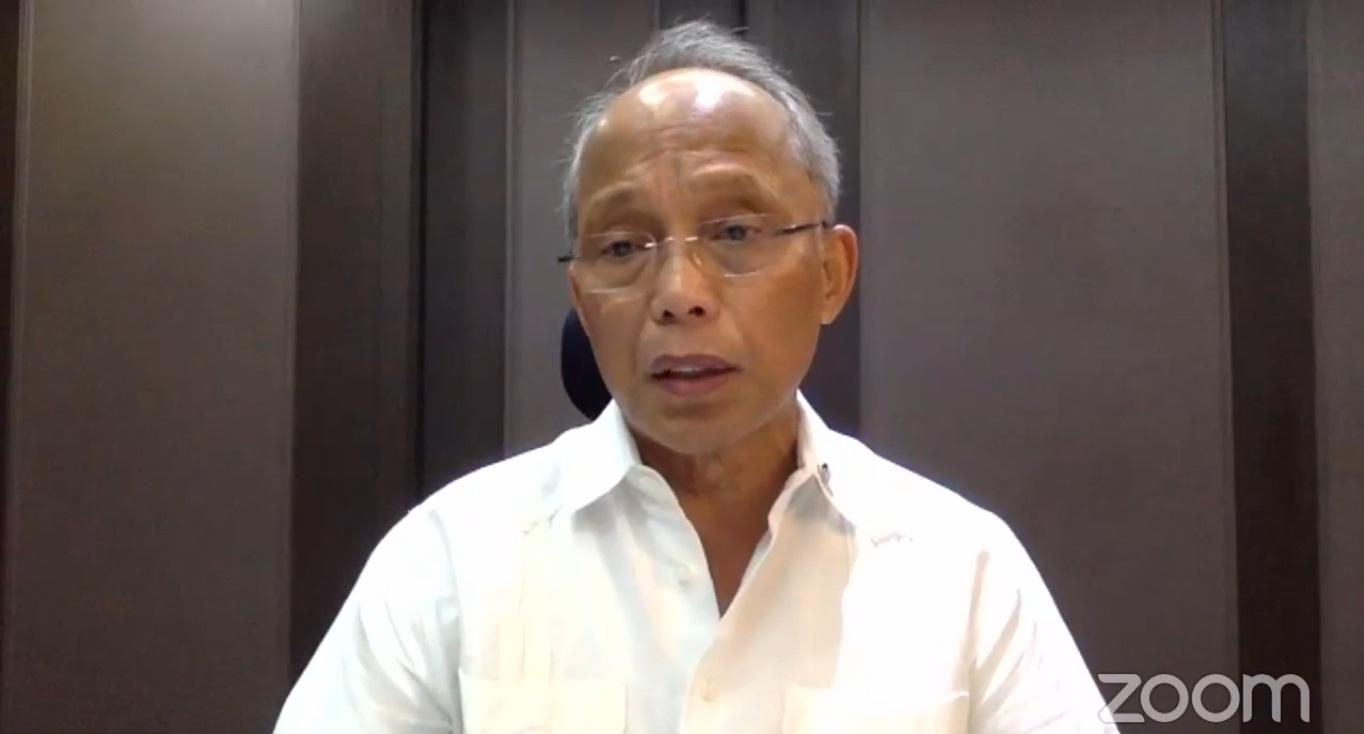
The Department of Energy (DOE) is now looking into a possible “sabotage” and is considering the filling of cases against power plant operators following the three consecutive days that the Luzon grid had been placed under Red Alert due to the outages of several power plants, which caused rotational brownouts.
“‘Yun namang sinasabi kung may sabotage sa pangyayari ‘yun naman po ay pinatitignan natin sa ating mga tao (The allegations of sabotage is now being looked by our people),” Energy Secretary Alfonso Cusi said during a Palace briefing on Thursday.
Cusi said he also sought the assistance of the Energy Regulatory Commission (ERC) and the Philippine Competition Commission to look into the alleged sabotage.
“Pero habang hindi pa natatapos ang investigation, hindi pa natin masasabi kung ano ba talaga ang nangyari (But, while we haven't finished the investigation, we can't determine what really happened),” he said.
Sought for details, Energy Undersecretary Felix William Fuentebella confirmed that the DOE is considering the filing of cases against power plants that violated the department’s policy prohibiting them from conducting preventive maintenance during the months of April, May, and June—when power demand is usually high due to hot and dry season.
The policy is pursuant to DOE Department Circular No. 2020-02-004 or “Providing Guidelines on the Planned Outage Schedules of Power Plants and Transmission Facilities,” wherein only hydroelectric power plants are allowed to conduct power plant maintenance during the peak quarter.
Plant outages
A series of Red and Yellow alerts plagued the Luzon grid for three straight days causing rotating power interruptions.
The DOE blamed the “forced or unplanned outages of power plants and the lack of ancillary services owned or operated by the private sector.”
The Energy department said insufficient supply that resulted to the power outages in the last three days was caused by the unplanned or forced outages of the following generation plants that are owned by the private sector:
- GMEC Coal-fired Power Plant Units 1 and 2 of GNPower Mariveles Energy Center Ltd. Co. (GMEC) / Aboitiz Power (690 MW)
- Calaca Coal-fired power plant Unit 2 of Sem-Calaca Power Corporation (300 MW)
- Pagbilao Coal-fired power plant Unit 2 of TeaM Energy Corporation and Therma Luzon Inc. (382 MW)
- Sual Coal-fired power plant Unit 2 of TeaM Sual Corporation and San Miguel Energy Corporation (647 MW)
The DOE said the extended scheduled maintenance and the deration of the following plant likewise contributed to the deficiency:
- San Roque Hydroelectric Power Plant Units 1, 2 and 3 of San Roque Power Corporation (435 MW)
The Energy department also said that the National Grid Corporation of the Philippines (NGCP) failed to comply with the required firm ancillary service contracts, which should be 4% of the power demand and could be tapped in case power plants go offline.
The ERC also issued notices of non-compliance to 17 power generation firms to explain the unplanned outages that breached the maximum allowable unplanned outage days per year.
“We are strictly monitoring and reviewing the weekly reports being submitted by the generation companies in compliance with our directive pertaining to the reliability performance indices and equivalent outage days per year of generating units," ERC chairperson Agnes Devanadera said in a statement.
"Based on the examination of our technical group, there are gencos that have breached the maximum allowable unplanned outage days as of April 2021”, Devanadera said.
The ERC issued in November 2020 Resolution No. 10, Series of 2020 entitled “A Resolution Adopting the Interim Reliability Performance Indices and Equivalent Outage Days Per Year of Generating Units”.
The said resolution sets forth the maximum or cap for annual unplanned outages per generating plant technology.
The resolution became effective on January 3, 2021 upon completion of the required 15-day publication period.—AOL, GMA News

