

 GMA Brandtalk
 Tracking
 Archives

DOH: Risk of rare side effect from J&J COVID-19 vaccine ‘very low’
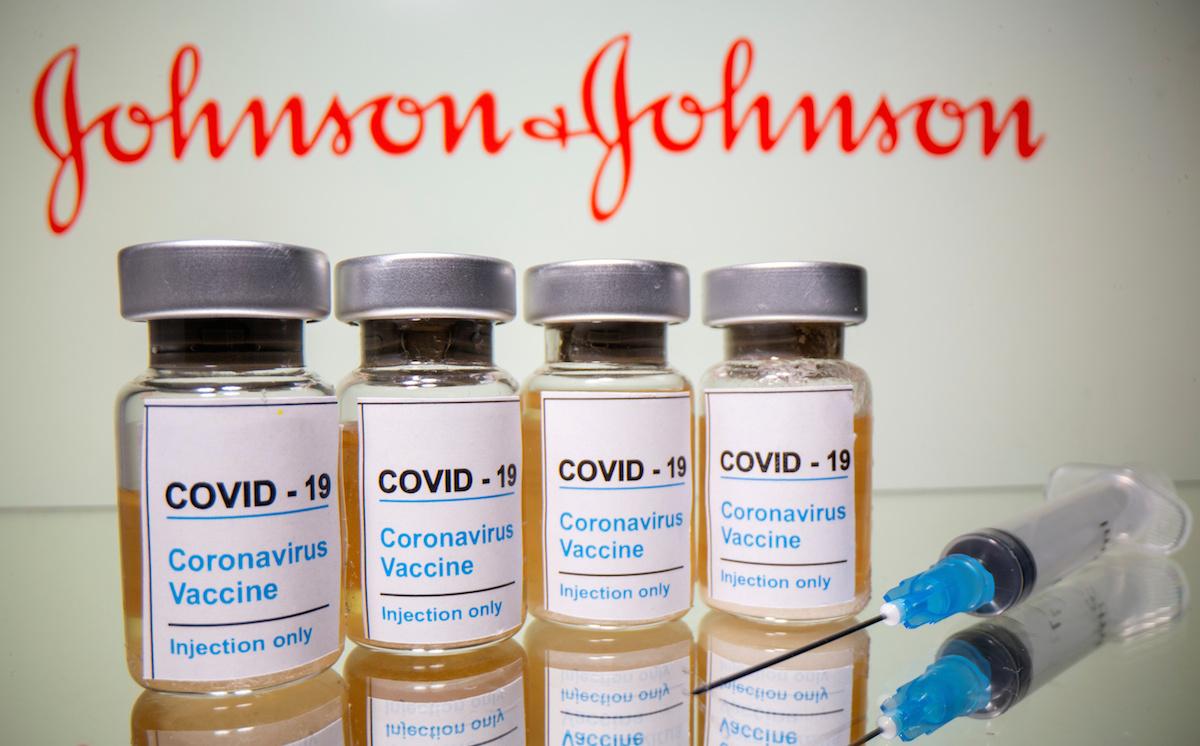
The Department of Health (DOH) assured the public on Tuesday that the risk of developing a rare nerve disorder after getting the COVID-19 vaccine of American drugmaker Johnson & Johnson is “very low.”
The United States Food and Drug Administration (FDA) earlier updated its labels for the Johnson & Johnson vaccine to include information about the “increased risk” of Guillain-Barre Syndrome (GBS).
The US Centers for Disease Control and Prevention define GBS as a “rare autoimmune disorder in which a person's own immune system damages the nerves, causing muscle weakness and sometimes paralysis” that most people fully recover from.
Health Undersecretary Maria Rosario Vergeire underscored that GBS is a “very rare” condition.
“This increased risk still remains very low,” she said in a statement. “Current data still shows out that the benefits of getting vaccinated and the protection from COVID-19 hospitalization and death still outweigh the risks for any reported reactions to vaccines.”
Vergeire called on the public to report cases of GBS to their local vaccine operations center and immediately contact a healthcare provider if they feel symptoms.
She also urged physicians and hospitals to ensure that all suspected adverse reactions to COVID-19 vaccines are immediately reported to epidemiology and surveillance units.
The Philippines is set to receive its first shipment of Johnson & Johnson vaccines in July.
Vaccine czar Secretary Carlito Galvez Jr. said the three million doses will be deployed to island provinces and neighboring areas in Visayas and Mindanao.
Experts from the independent research group OCTA, meanwhile, urged the government to prioritize Metro Manila and seven other COVID-19 hotspots in the rollout of Johnson & Johnson vaccines.
The Philippines has inoculated over 9.6 million individuals out of its 70-million target population for COVID-19 jabs as of July 11. -MDM, GMA News

