

 GMA Brandtalk
 Tracking
 Archives

SC allows disbarred lawyers to seek reinstatement after 5 years
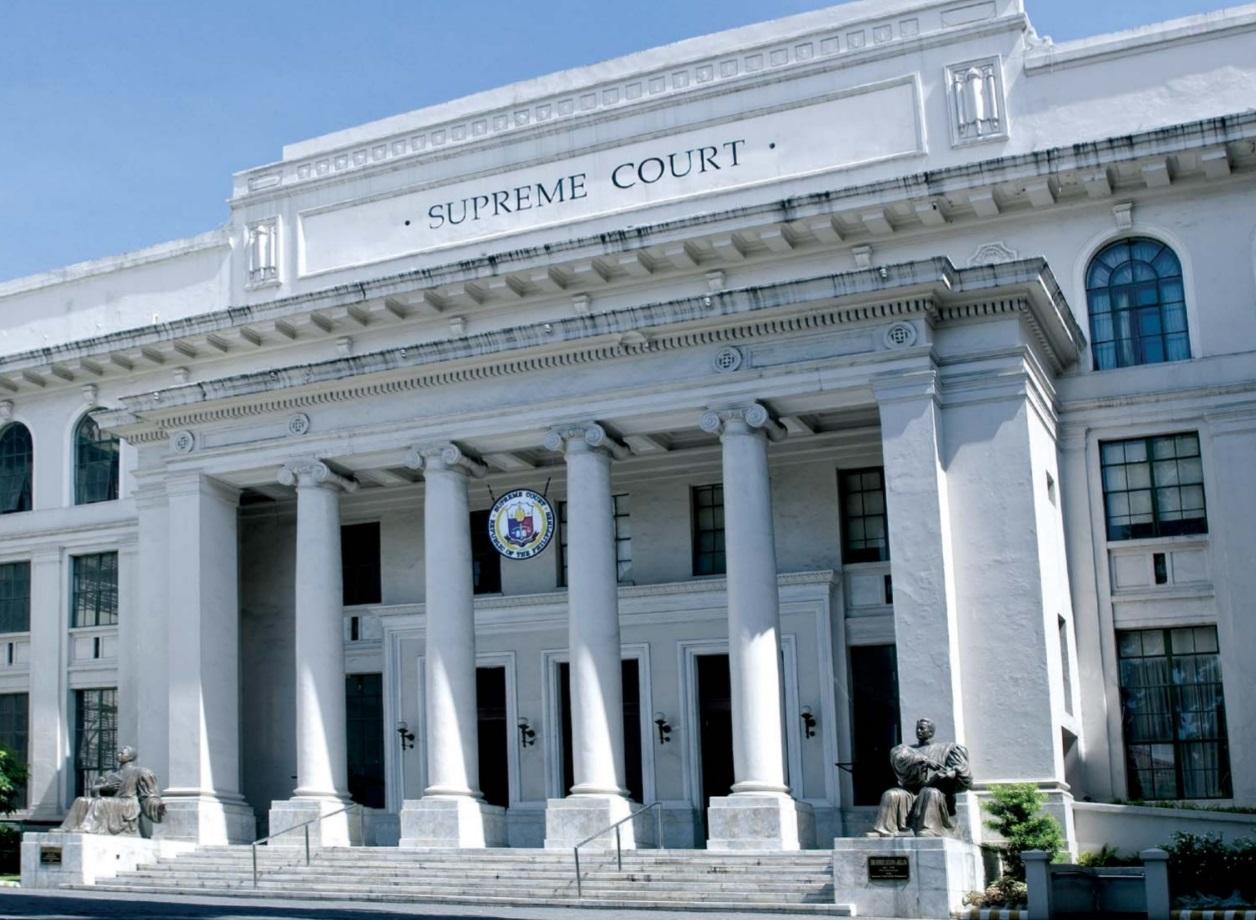
A disbarred lawyer will have to wait at least five years before seeking reinstatement to the Bar, the Supreme Court (SC) has ruled.
The new guidelines on petitions for judicial clemency are as follows:
- A lawyer who has been disbarred cannot file a petition for judicial clemency within a period of five years from the effective date of his or her disbarment, unless for the most compelling reasons based on extraordinary circumstances, a shorter period is warranted;
- For petitions already filed when the guidelines were approved on March 2, 2021, the Court may dispense with the five-year minimum requirement and instead, in the interest of fairness, proceed with a preliminary evaluation of the petition to determine its prima facie merit; and
- Upon the lapse of the five-year period, or earlier if so permitted by the Court, a disbarred lawyer becomes eligible to file a verified petition for judicial clemency.
The petition must show on its face that the following criteria have been met:
- The petitioner has fully complied with the terms and conditions of all prior disciplinary orders, including orders for restitution, as well as the five-year period to file;
- The petitioner recognizes the wrongfulness and seriousness of the misconduct for which he or she was disbarred; and
- Notwithstanding the conduct for which the disbarred lawyer was disciplined, the disbarred lawyer has the requisite integrity and competence to practice law.
If the petition has prima facie merit based on the criteria, the Court shall refer the petition to the Office of the Bar Confidant (or any fact-finding body designated by the Court) to verify the details and the authenticity of the statements and the evidence attached to the clemency petition.
The petition shall be denied if it fails to show any prima facie merit.
After its investigation, the OBC (or such other fact-finding body designated by the Court) shall submit its fact-finding report to the justices who shall resolve the clemency petition based on the facts established in the report.
“The threshold of evidence to be applied is clear and convincing evidence since it is incumbent upon the petitioner to hurdle the seriousness of his or her established past administrative liability/ies, the gravity of which had warranted the supreme penalty of disbarment,” the SC said in a resolution penned by Senior Associate Justice Estela Perlas Bernabe.
Unless otherwise resolved by the Court, these guidelines and procedure shall apply to pending petitions for judicial clemency, as well as to those filed after the promulgation of the resolution.—AOL, GMA News

