

 GMA Brandtalk
 Tracking
 Archives

Garcia: Abolition of party-list system needs constitutional amendment
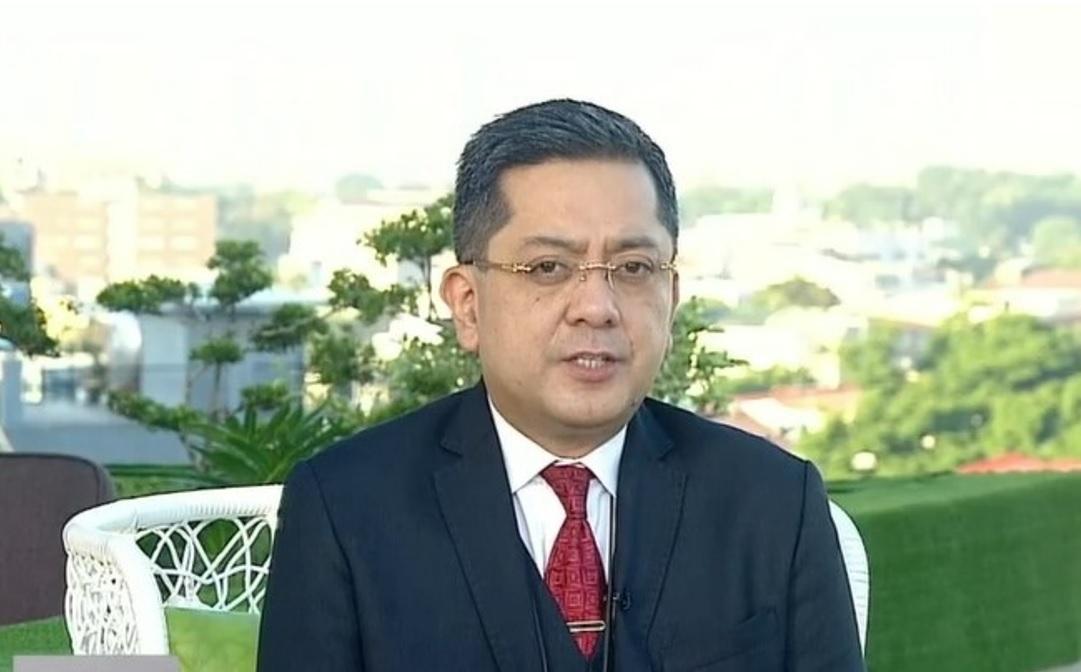
The abolition of the party-list system would require amendments to the 1987 Constitution, poll commissioner George Garcia said Monday.
The Commission on Elections official issued the remark over Super Radyo dzBB days after President Rodrigo Duterte urged the incoming administration to immediately start the process of amending the Constitution with a recommendation to abolish the party-list system, claiming leftists are using it to “destroy” the government so they could replace it with their own.
"'Yun pong pag-aabolish po niyan ay sa aking palagay, kakailanganin po ng amendment ng ating Saligang Batas sapagkat 'yan po ay mismo nakalagay sa 1987 Constitution," Garcia said.
(In my opinion, abolishing the party-list system would need an amendment to the Constitution because it is written in our charter.)
Under the 1987 Constitution, party-list representatives shall constitute twenty per centum of the total number of representatives including those under the party-list.
The sectors which were identified in the Constitution are "labor, peasant, urban poor, indigenous cultural communities, women, youth, and such other sectors as may be provided by law, except the religious sector."
While Duterte is seeking the abolition of the party-list system, Garcia, citing his experience as an election lawyer, recommended defining and identifying the sectors or groups that need to be represented in Congress.
After which, Garcia said there should be a definite number of congressional seats which will be allocated to each marginalized and underrepresented sector so they could be represented "at any given time."
"Dapat po i-define na natin, ilista na natin, ano ba talaga ang iba't-ibang sektor na meron tayo...Halimabawa, nag-define tayo ng sampung sektor. Sa sampung sektor na 'yon, ilan ang allocated seats? Sabihin natin 63. Dapat mag-determine ang Kongreso siguro ilan ang ia-allocate natin sa kababaihan, ilan ang ia-allocate natin sa representatives natin sa mga magsasaka," Garcia said.
(We should define it and enlist what are the sectors that we will allow to be represented in Congress. For example, we define 10 sectors. How many seats are we going to allocate to the women's groups, to the farmers' group, among others.)
"Ibig sabihin lahat ng sektor may representation...Halimbawa, tayong tatlo ang nire-represent natin ay farmers' group. Tayong tatlo ang maglalaban-laban para doon sa naka-allocate [na seats para] sa sektor ng mga magsasaka... So that at any given time mayroong representation 'yung sektor na yon," he added.
(This means, all sectors will have a representation. For example, the three of us are representing different farmers' groups. During the elections, the three of us will be competing against each other to win the seats which were allocated to the farmers' sector. So that at any given time, there is a representation for that specific sector.)
Under the law, a party-list group that gets at least 2% of the total number of votes cast in the party-list race will be entitled to at least one seat in the House of Representatives.
Those who exceed the 2% threshold will be entitled to additional seats proportionate to the number of votes cast, but the total number of seats for each winning party-list group cannot exceed three.
Those who do not meet the 2% requirement may still be able to secure a seat in the House because the party-list law also requires that 20% of House members come from the party-list ranks.
The Comelec is planning to proclaim the party-list groups that secured a spot in the House of Representatives during the 2022 national and local elections within this week. —KG, GMA News

