

 GMA Brandtalk
 Tracking
 Archives

Human Rights Commission lauds BJMP's efforts to decongest jails
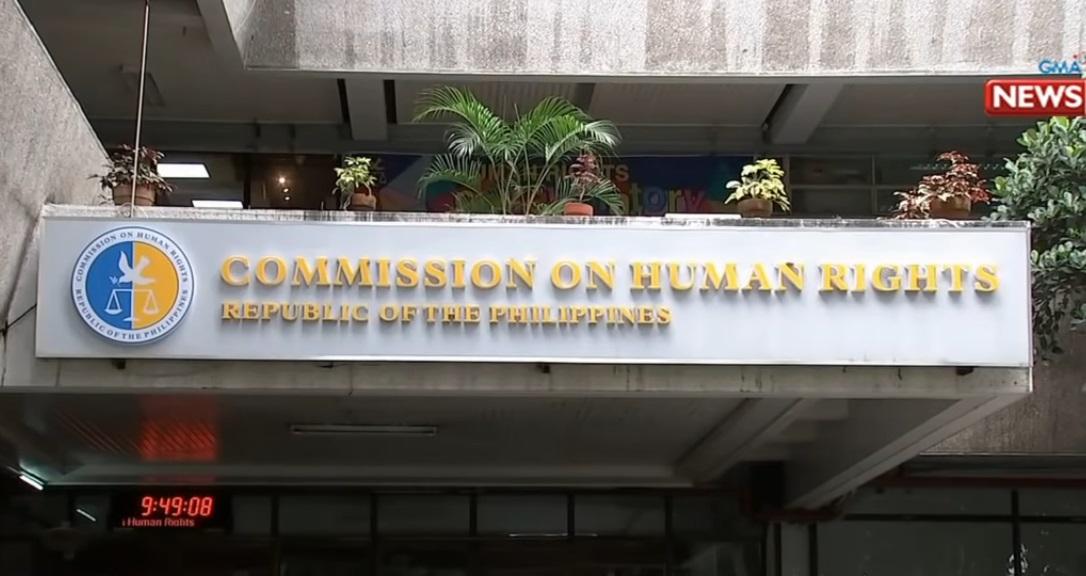
The Commission on Human Rights (CHR) lauded the efforts of the Bureau of Jail Management and Penology (BJMP) to decongest prisons in the country but called on the new administration to pass legislation establishing National Preventive Mechanisms.
"The Commission on Human Rights (CHR) recognizes the recent efforts of the Bureau of Jail Management and Penology (BJMP) to decongest jail facilities in the country. In a recent statement, BJMP spokesperson JSupt. Xavier Solda reports a decrease at 397% congestion rate in jails as of July 2022," CHR Executive Director Atty. Jacqueline Ann de Guia said in a statement.
De Guia likewise cited Commission on Audit annual audit reports that the congestion rate of Philippine jails went down to 403% in 2020 from 438% in 2019.
"While a slow improvement, congestion of BJMP’s facilities has been a continuing challenge that has negatively impacted living conditions of persons deprived of liberty (PDLs). These conditions fall short in complying with BJMP's own Manual on Habitat, Water, Sanitation and Kitchen in Jails and the United Nations Standard Minimum Rules for Treatment of Prisoners," she said.
The CHR thus urged the government to speed up its decongestion efforts through penal reform, such as non-custodial alternatives to detention for minor cases; expedited release of qualified detainees; and the building of new facilities among others.
The CHR nonetheless maintained that addressing social issues, which include lack of employment opportunities, social welfare support, and poverty, would be a more sustainable solution against crime and prevent recidivism.
"At the same time, we hope that the newly-sworn government will finally pass legislation establishing an NPM (National Preventive Mechanism) consistent with the country's ratification of the UN Convention Against Torture and Other Cruel, Inhuman, or Degrading Treatment or Punishment (UN CAT) and its Optional Protocol (OPCAT)," said the CHR, which serves as the country's interim NPM.
National Preventive Mechanisms, according to the Office of the United Nations High Commissioner for Human Rights, regularly visit national and local places of detention and have day-to-day contact with authorities to prevent torture and to complement the work of international bodies.
"We maintain that dire conditions experienced by PDLs, especially amid the pandemic, may result in cruel, inhuman, degrading treatment or punishment—a human rights violation—if left unaddressed. We shall continue to work with government in our open and independent role as a national human rights institution by advising how the government can better comply with its human rights obligations for the protection of the rights of all," the CHR said. — DVM, GMA News

