

 GMA Brandtalk
 Tracking
 Archives

Anti-pollution group PCAPI urges speedy incentives for electric vehicle use
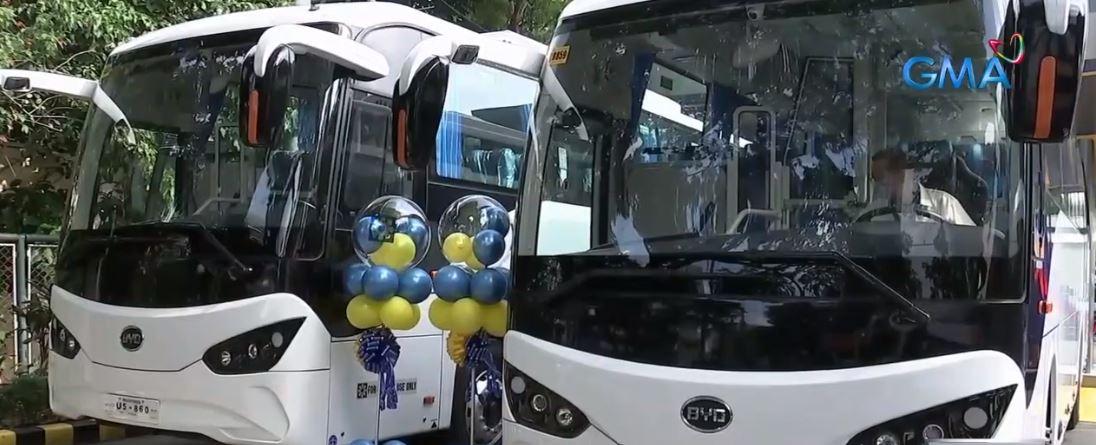
An anti-pollution group on Monday urged the Philippine government to hasten the grant of incentives for the mainstreaming of electric vehicles, noting the health benefits it could provide to the public.
Pollution Control Association of the Philippines (PCAPI) Vice President for External Affairs Jeremiah Dwight Sebastian said electric vehicles would benefit Filipinos as using them would mean "less air pollution, less sick people, and less need to go to the hospital."
"This is due to EVs' zero tailpipe emissions, which reduce carbon emissions and carbon footprints as compared to gasoline-powered cars," Sebastian said in a press release.
"Electric vehicles are critical technology to push forward the ‘decarbonization’ effort since this will allow us to have a more flexible option in its energy source, this can also minimize what I believe [is] a major issue of pollution in highly urbanized [communities]," he added.
Citing the American Lung Association, the group said the transition to electric vehicles would help save 110,000 lives and prevent 2.7 million childhood asthma attacks.
The group further said the shift to electric vehicles would help weaken the effects of climate change in the country.
The Department of Energy (DOE) is aiming to roll out 2,454,200 electric vehicles — which include cars, tricycles, motorcycles, and buses, as well as 65,000 charging stations nationwide — by 2028.
Earlier this month, the DOE launched the country’s first electronic buses or e-buses in line with the Philippines' goal of shifting to electric vehicles (e-vehicles) by 2040.
The 47-seater e-bus costs around P29 million, which includes the charging station. The price is more than double compared to the regular bus.
President Ferdinand "Bongbong" Marcos Jr. had signed Executive Order No.12, which gives tax breaks to electric vehicles and their components for the next five years to promote their use among Filipinos.
Under the country's Comprehensive Road Map for the Electric Vehicle Industry, all government vehicles should be converted into e-vehicles by 2030. By 2040, all of them should be run by electricity. —Anna Felicia Bajo/KBK, GMA Integrated News

