

 GMA Brandtalk
 Tracking
 Archives

NGCP: No more red, yellow alerts seen for rest of 2024
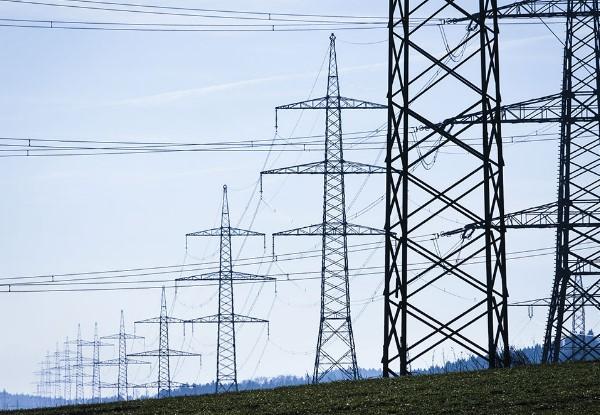
The National Grid Corporation of the Philippines (NGCP) is no longer expecting to raise grid situation alerts for the rest of the year as demand is seen to go down during the rainy season.
“For 2024, wala tayong nakikitang karagdagang alert so far,” NGCP spokesperson Cynthia Alabanza said at a press briefing in San Juan City.
(For 2024, we are no longer seeing additional alerts so far.)
“Kapag mainit ang panahon, mas malakas ang konsumo ng kuryente. Dahil umuulan na, hindi na mataas ang konsumo ng tao kaya dapat sapat na ang kuryenteng dumadaloy sa transmission system,” Alabanza said.
(When it is hot, consumption of electricity is higher. But since it is already raining, the consumption is no longer high, thus the electricity flowing in the transmission system should be enough.)
The NGCP raises yellow alerts when the operating margin falls below the necessary level to meet the transmission grid’s contingency requirement.
A red alert, meanwhile, indicates that the power supply is insufficient to meet consumer demand and the transmission grid’s regulatory requirements.
Red alerts prompt the grid operator to implement manual load dropping or rotational brownouts to maintain the integrity of the power grid.
During the dry hot months - April until early June this year - enhanced by El Niño, the NGCP has so far raised 11 red alerts and 31 yellow alerts in the Luzon grid.
Moreover, the grid operator hoisted eight red and 26 yellow alerts in the Visayas grid and zero red alerts and two yellow alerts in the Mindanao grid.
Alabanza, however, said the expectation of no more grid alerts to be raised in the grids will be possible only if there would be no major outages of power plants for the remaining months of the year.
“Kapag walang maraming planta ang pumalya within the year, dapat wala tayong makitang alert status,” she said.
(If there would be no incidents of many plants failing within the year, we should see no alert status.) — RSJ, GMA Integrated News

