

 GMA Brandtalk
 Tracking
 Archives

DOH warns vs heat stroke, exhaustion as weather gets warmer
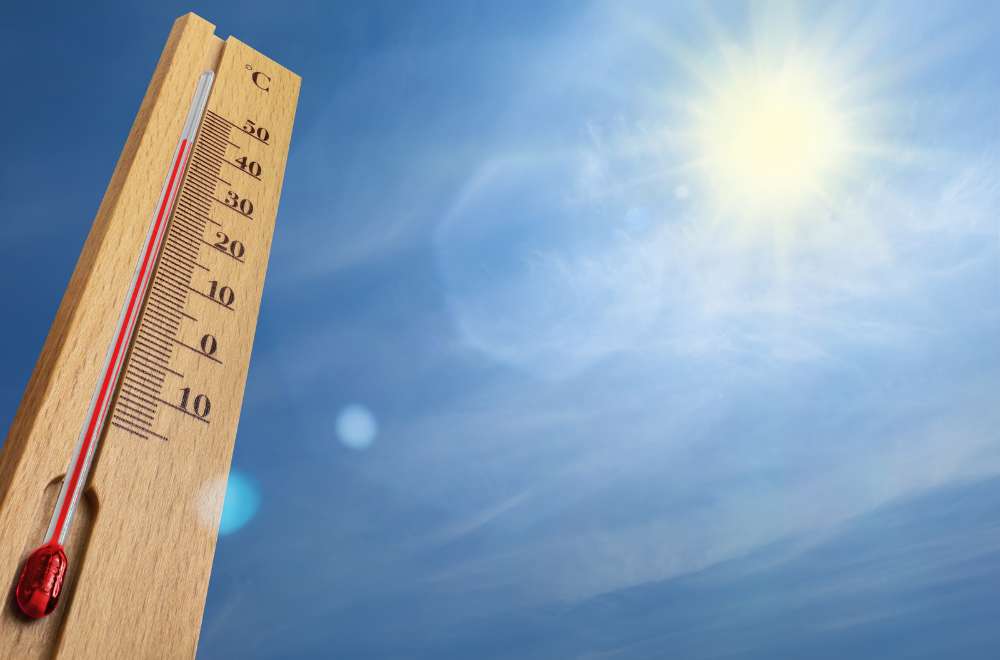
The Department of Health (DOH) on Monday reminded the public against heat-related illnesses such as heat cramps, heat exhaustion, and heat stroke, that become more prevalent now that the country is shifting to dry season.
This, as state weather bureau PAGASA noted that three areas may experience a dangerous level of heat index on Monday, namely: Science Garden Quezon City (46°C), Clark Airport, Pampanga (46°C), and CLSU Muñoz, Nueva Ecija (45°C).
Heat index is the measure of the temperature that a person feels, apart from the actual air temperature. A heat index ranging from 42 to 51 degrees Celsius is considered under the “danger” effect-based classification.
“Ang ganitong mga temperatura ay maaaring humantong sa heat cramps o pamumulikat at heat exhaustion o pagkahapo na may mga sintomas tulad ng pagkapagod, pagkahilo, sakit ng ulo, [at] pagsusuka,” DOH spokesperson Assistant Secretary Albert Domingo said.
(Such temperatures can result in heat cramps and heat exhaustion with symptoms including fatigue, dizziness, headache, and vomiting.)
“Ang matagal na pagkakalantad sa init ay nagpapataas ng posibilidad ng heat stroke, isang seryosong kondisyon na may pagkawala ng malay, pagkalito o kaya ay mga seizure, kumbulsyon na maaaring makamatay kung hindi ginagamot,” he added.
(Prolonged exposure to heat also increases the chance of having heat stroke, a serious condition with symptoms of loss of consciousness, confusion or seizures, and convulsions that can be fatal if left untreated.)
Should anyone experience any of the mentioned symptoms, the DOH advised the public to follow these first aid measures:
- Transfer the person to a cooler or shady area and adjust the ventilation;
- Remove clothes that could add up to body heat;
- Apply cold compress, ice pack, cold water, or a cold wet cloth to the skin, especially on the head, face, neck, armpits, wrists, ankles, and groin;
- Contact emergency services or take the person to hospital immediately.
- If the patient is conscious, the DOH advised frequent but slow sips of cold water.
“Pinapayuhan ang publiko na regular na subaybayan ang mga ulat mula sa PAGASA at gumawa ng mga hakbang para makaiwas laban sa sakit na ito. Kabilang dito ang pag-inom ng maraming tubig, pag-iwas sa iced tea, soda, kape, o mga inuming may alkohol, at paglilimita sa oras na ginugugol sa labas sa pagitan ng 10 a.m. hanggang 4 p.m.,” Domingo said.
(The public is advised to regularly monitor the reports from PAGASA and take measures to prevent heat-related illnesses. This includes drinking plenty of water, avoiding iced tea, soda, coffee, or alcoholic beverages, and limiting time spent outdoors between 10 a.m. to 4 p.m.)
“Gumamit rin ng proteksyon sa araw tulad ng sumbrero, payong, at sunblock. Magsuot rin ng maluwang at magaang na damit,” he added.
(Use also sun protection such as a hat, umbrella, and sunblock, and wear loose and light clothes.)
According to PAGASA, the extreme temperatures hitting the country this time of year are fairly normal as the country starts to transition from rainy to dry season.
Several cities and schools cancelled classes Monday due to the expected high heat index.—AOL, GMA Integrated News

