

 GMA Brandtalk
 Tracking
 Archives

NGCP says it's ready for ‘worst case scenario;’ tweaking outlook after March 5 yellow alert
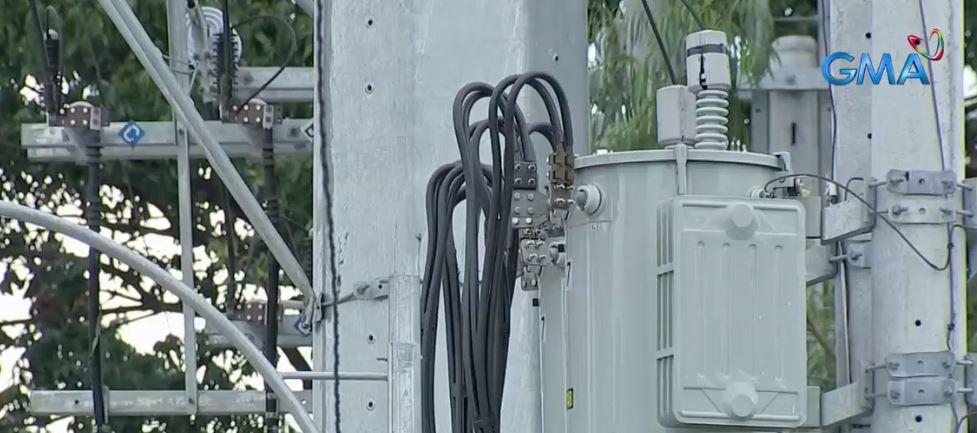
Power transmission operator National Grid Corporation of the Philippines (NGCP) on Wednesday said it is preparing contingencies for a possible “worst case scenario” in the grid amid extreme heat, which normally raises demand for power, as the country transitions to a hot dry season.
At a press conference in San Juan City, NGCP spokesperson Atty. Cynthia Alabanza said, in a mix of Filipino and English, that “we really need to prepare for the worst case.”
“The worst case [scenario] is we will see red and yellow alerts within the year,” Alabanza said.
The NGCP official, however, said the information as to when the red and yellow alerts would be triggered as well as their frequencies have yet to be determined.
“That is what we are discussing with the Department of Energy (DOE)… So we're still in the process of assessing and adjusting [based] on the sudden spike in temperature experience on March 5,” Alabanza said.
Last March 5, the Luzon power grid was placed under yellow alert for about two hours due to forced outage and derated capacity of several plants.
A yellow alert indicates that the operating margin is insufficient to meet the transmission grid’s contingency requirement, putting the grid at risk with the available contingency reserve less than the required operating margin.
A red alert status, meanwhile, is issued when power supply is insufficient to meet consumer demand and the grid’s contingency requirement.
Data shared by the NGCP showed that the highest peak demand for the year was recorded last March 6 at 12,467 megawatts (MW) — a 5% increase from the earlier forecasted demand of 11,870 MW for the same day.
For the entire 2025, the DOE forecasted a peak of 14,769 MW for Luzon to occur mid-May, a 5.37% increase from the 2024 actual peak of 14,016 MW on April 24, 2024.
Based on its outlook, the NGCP assured there will be no supply issues only if there will be no sudden power outages.
“As in the past years, NGCP cautions the public that while power supply seems sufficient on paper, over the years, unplanned outages of critical plants are a major factor in the power situation and have been the primary cause of power interruptions,” according to Alabanza. — RF, GMA Integrated News

