

 GMA Brandtalk
 Tracking
 Archives

OCD urges no shortcuts in construction projects as PH braces for The Big One
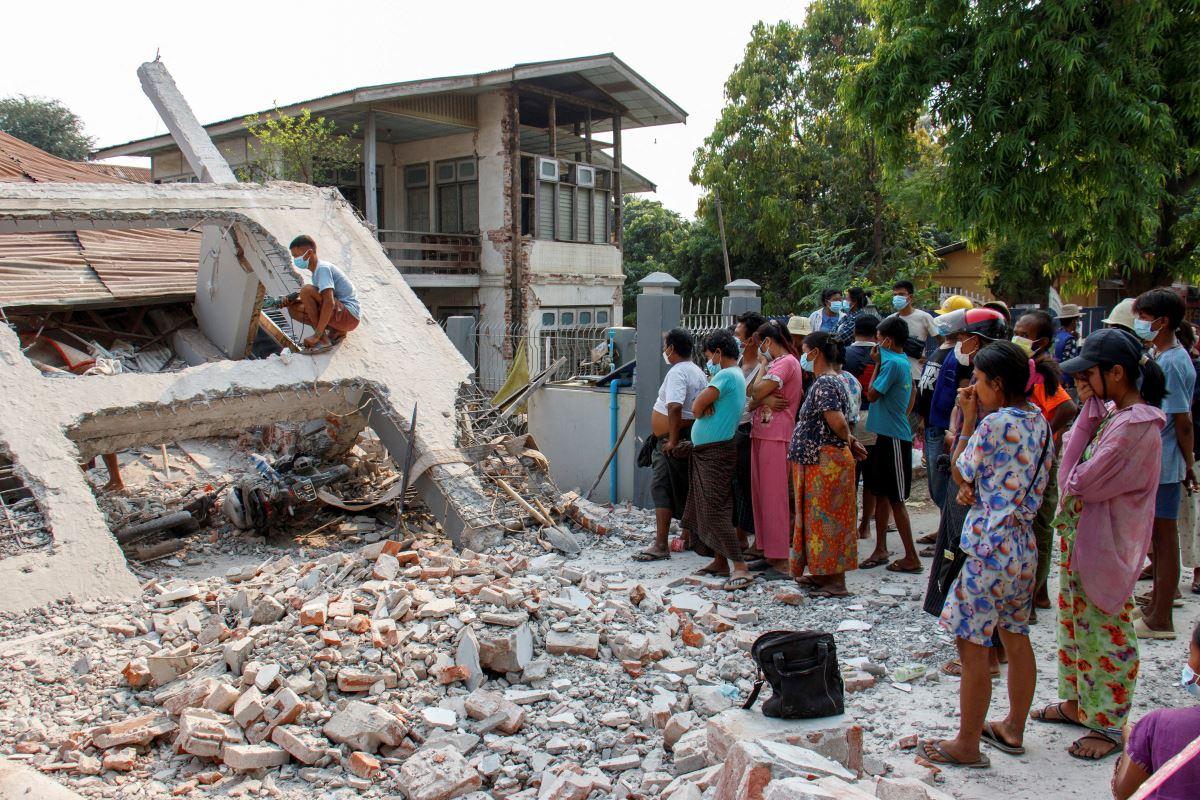
The Office of Civil Defense (OCD) on Tuesday stressed the importance of building earthquake-resistant buildings and bridges as 500,000 structures may collapse if "The Big One"–the anticipated major earthquake expected to be as strong as Magnitude 7.2–hits the country.
In an earthquake preparedness summit, OCD administrator Undersecretary Ariel Nepomuceno said that engineering solutions that are proactive and preventive would be the country’s first line of defense if ever a powerful earthquake occurs soon.
“The structures should be able to withstand at least an 8.5 magnitude earthquake, at least," Nepomuceno said. He said some individuals have been preparing for Magnitude 10 earthquakes.
Nepomuceno said there should be no shortcuts in the construction of houses, buildings, condominiums, offices, hotels, and bridges.
The OCD held the two-day summit following the devastating magnitude 7.7 earthquake that hit Myanmar last March 28, which killed over 3,000 individuals and damaged hundreds of houses, temples, and buildings.
As the Philippines prepare for a potential strong earthquake beyond the basic “duck, cover, and hold” procedure, Nepomuceno admitted that the country was far from making its structures resistant to major earthquakes.
“We have yet to finish a complete structural integrity audit, especially of the critical structures—hospitals, mga headquarters, municipal halls, telcos, power plants,” Nepomuceno said.
He said that the Department of the Interior and Local Government (DILG) should be tapped so that local government units (LGUs) could enforce strict adherence when it comes to the proper construction of buildings.
Meanwhile, he said that structures that were already built have to be inspected regularly by professionals.
According to the OCD official, The Big One may kill 50,000 individuals and injure 162,000 others. It may also dislocate 46 million people whose homes may be affected. –NB, GMA Integrated News

