

 GMA Brandtalk
 Tracking
 Archives

Philippines marks 88th year of women’s right to vote
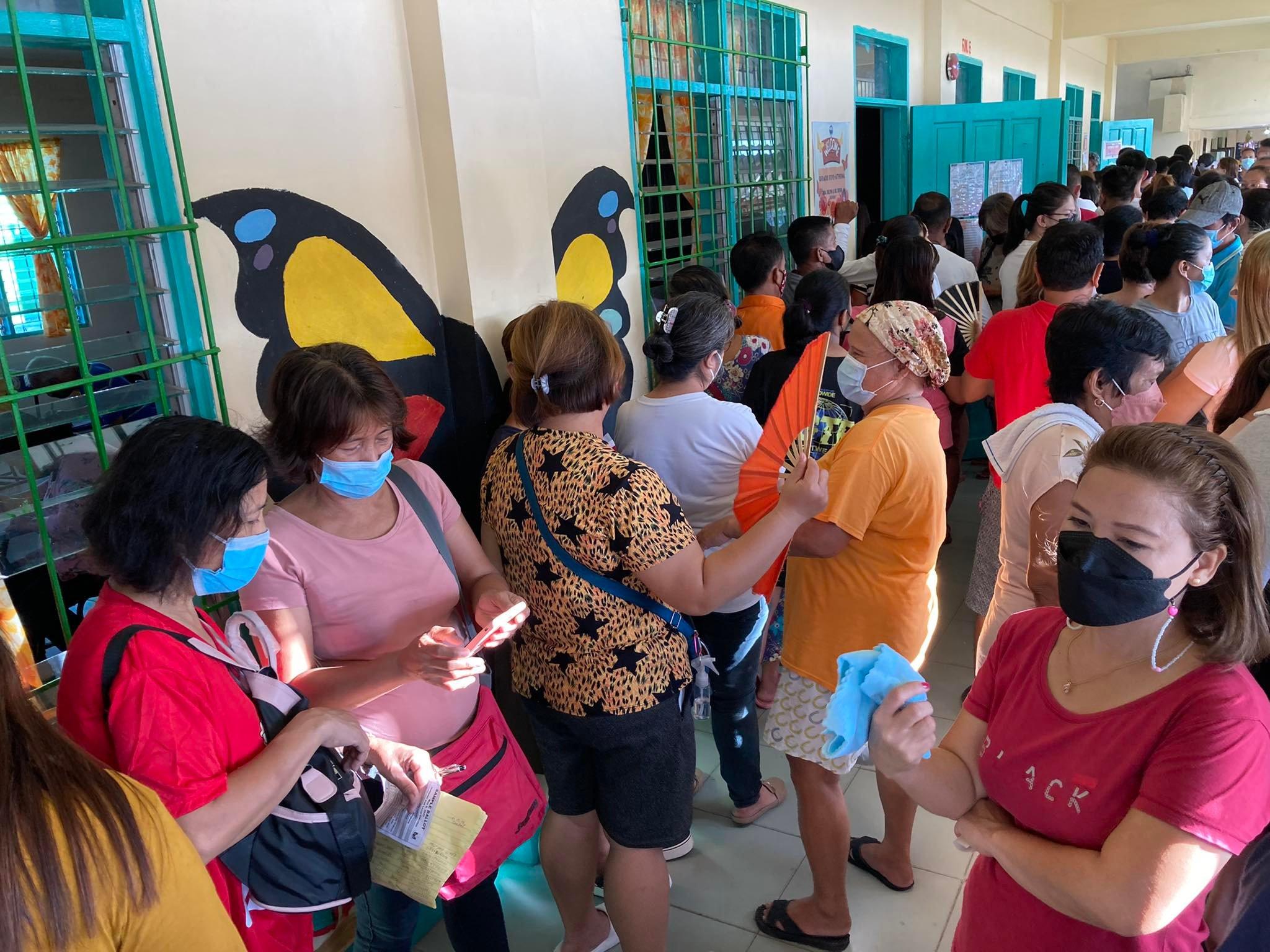
Eighty-eight years ago today, a historic moment reshaped the democratic landscape of the Philippines: Filipino women finally won the right to vote.
In Facebook post, the Commission on Human Rights of the Philippines called on Filipinos to remember the courage, persistence, and wisdom of the Filipino women who fought to have their voices heard in governance—and that the ballot is a tool of empowerment.
“Karapatan ng bawat kababaihan na bumoto nang malaya. Kaya ngayong ika-88 na anibersaryo ng Women's Suffrage sa ating bansa, alalahanin natin na ang bawat marka sa balota ay sumasalamin sa tapang at karunungan ng mga Pilipinang lumaban para pakinggan ang kanilang boses sa larangan ng pamamahala,” it said.
(Every woman has the right to vote freely. So on this 88th anniversary of Women's Suffrage in our country, let us remember that every mark on the ballot reflects the courage and wisdom of the Filipinas who fought to have their voices heard in governance.)
“Ang tunay na pagbabago ay nagsisimula sa tamang pagboto—at hindi pwedeng mawala ang kababaihan sa kwento,” it added.
(True change begins with casting the right vote—and women must never be left out of the story.)
Winning the right to vote
Before 1937, the right to vote in the Philippines was a privilege reserved only for Filipino men—specifically, those who were educated and owned property. Women, despite their active roles in society, households, and even in revolutionary movements, were excluded from the electoral process.
That changed after decades of advocacy. It began with a visionary move by Cebu Congressman Filemon Sotto, who filed a suffrage bill for women in 1907 at the Philippine Assembly. It took 30 years, but on April 30, 1937, Filipino women triumphed in a national plebiscite that officially granted them the right to vote. Over 447,000 women voted in favor of the measure, surpassing the required threshold and cementing a milestone in Philippine history.
The 88th anniversary comes at a time when the role of women in politics remains as critical as ever. While women make up nearly half of the Philippine voting population, their representation in elected office remains limited. Advocates point out that remembering the country’s suffrage history should also inspire more women to not only vote—but also lead.
By the numbers
According to data from the Comelec, in 2025 female voters slightly outnumber male voters: 34,877,106 or 51% of the total 68,431,965. This means there are 1,322,247 more female voters than male voters.
More data on the issue collated by GMA Integrated News Research includes the interesting fact that female registered voters outnumber male registered voters in 8 regions:
- NCR or Metro Manila
- Region 4A or Calabarzon
- Region 3 or Central Luzon
- Region 7 or Central Visayas
- Negros Island Region
- Region 5 or Bicol
- Region 6 or Western Visayas
- Region 4B or MIMAROPA
Males outnumber female registered voters in 10 regions:
- Region 8 or Eastern Visayas
- Region 13 or CARAGA
- Region 12or SOCCSKSARGEN
- REGION 2 or cagayan valley
- BARMM
- Region 1 or Ilocos Region
- Region 11 or Davao
- CAR or Cordillera
- REGION 10 or Northern Mindanao
- Region 9 or Zamboanga Peninsula
Females outnumber males in 37 provinces while males outnumber females in 45 provinces.
In provinces where females outnumber males, the biggest gap in terms of number of registered voters are in Cavite, Rizal, Laguna, and Bulacan where there are at least 100,000 more females than males.
In provinces where males outnumber females, the biggest gap in terms of number of registered voters are in Bukidnon and Davao de Oro, where there are at least 25,000 more males than females. — Sherylin Untalan/BM, GMA Integrated News
For more Eleksyon 2025 related content and updates, visit GMA News Online's Eleksyon 2025 microsite.

