

 GMA Brandtalk
 Tracking
 Archives

Groups urge DepEd to enforce strict anti-smoking, vaping policies
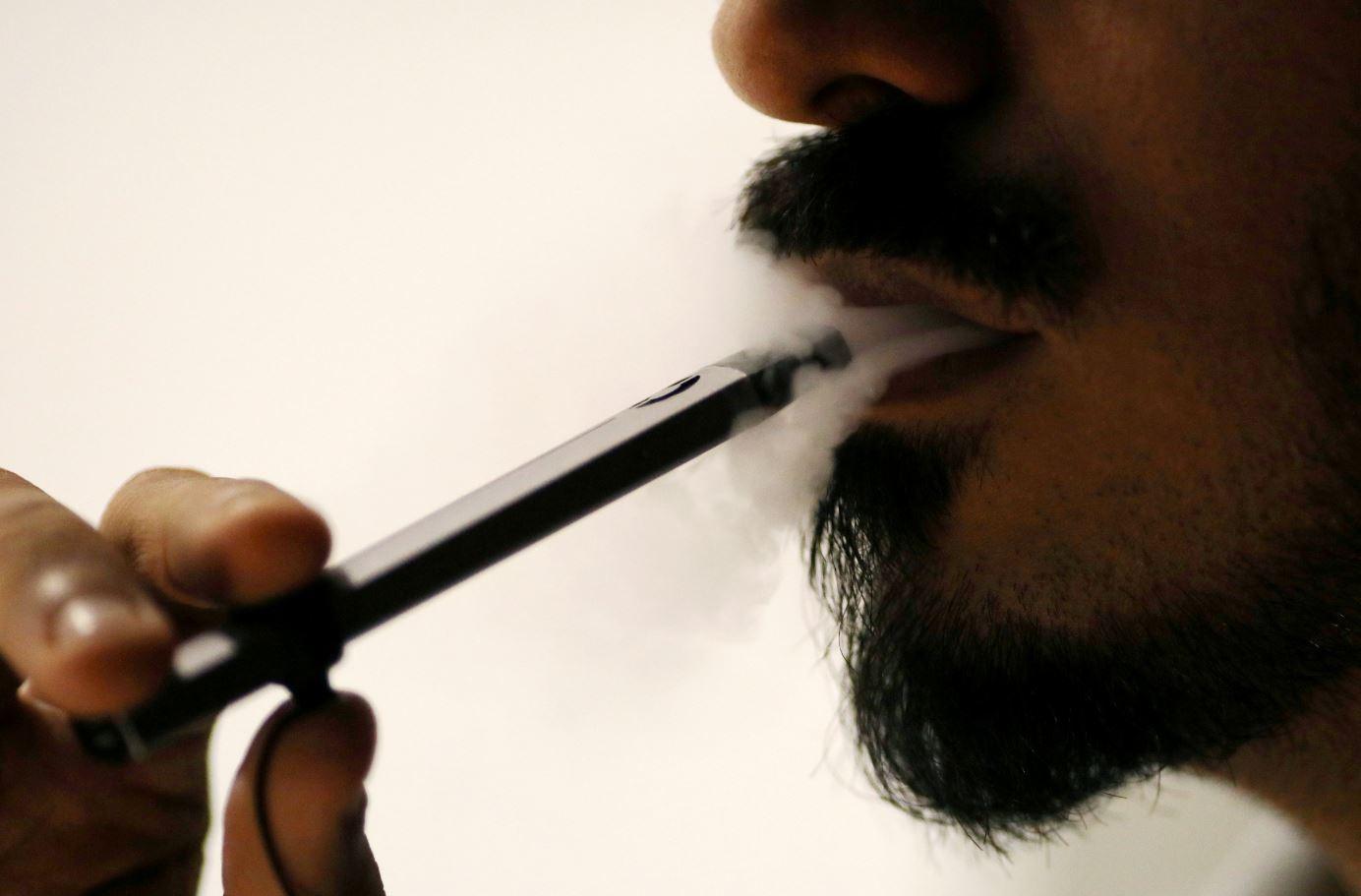
With the new school year set to begin on June 16, public health advocates and child protection groups are calling on the Department of Education (DepEd) to strictly enforce anti-smoking and anti-vaping policies in and around school premises.
HealthJustice Philippines, in partnership with the Philippine Pediatric Society and the Child Rights Network (CRN), issued the reminder during the observation of No Smoking Month and shortly after the global observance of World No Tobacco Day.
“As students return to school, we call on the Department of Education to enforce strict safeguards to protect minors against tobacco and vape use and advertising near school zones. We cannot let our children be exposed to tobacco and vape products that increase their risk of nicotine dependence and its associated noncommunicable diseases,” said Dr. Jaime Galvez Tan, board member of HealthJustice and former health secretary.
The groups raised alarm over the growing prevalence of tobacco and vape use among young Filipinos.
Citing the 2023 National Nutrition Survey by the Food and Nutrition Research Institute (FNRI), they noted that 4.8% of Filipinos aged 10 to 19 are cigarette smokers.
Meanwhile, the 2019 Global Youth Tobacco Survey (GYTS) revealed that 1 in every 7 Filipino students aged 13 to 15 is already using e-cigarettes or vapes.
“Children spend most of their time in school, where peer influence and social environments strongly shape their habits. Firm government and school policies against tobacco and vape help reinforce the message to the younger population that the use of these products are harmful and should not be normalized,” said Dr. Riz Gonzalez, Chairperson of the Tobacco Control Advocacy Group of the Philippine Pediatric Society.
She also urged parents to be proactive in discouraging tobacco and vape use.
“We also call on parents and guardians to remain vigilant on tobacco and vape use among their children, since it can often be overlooked. We encourage them to provide nutritious meals and to motivate their children to engage in worthwhile sport activities. Doing so can contribute to improving their children’s physical and mental health, effectively reducing the appeal of using harmful substances to cope with stress or hunger,” said Gonzalez.
The groups reminded the Education Department of its legal obligation under Section 9 of Republic Act No. 11900 or the Vape Law of 2022, which prohibits the sale, promotion, advertising, and product demonstration of tobacco products within 100 meters from school premises or other areas frequented by minors.
“Education is compromised when learners are burdened by the harmful health effects of tobacco and vape products. Filipino children and youth have the right to know and must be taught that smoking kills and so does vaping — which will never be a safe alternative,” said CRN Spokesperson Au Quilala, who also serves as Deputy Executive Director of the Philippine Legislators' Committee on Population and Development (PLCPD).
“They need to have access to a safe and healthy learning environment, and it is the Department of Education’s responsibility to provide that for them.”
Quilala emphasized that the fight against the “vapedemic” is a shared responsibility. “DepEd must do its part to ensure this smoking prevalence and vapedemic will not burden the future generations,” she said.
According to the Global Burden of Disease study by the Institute for Health Metrics and Evaluation, tobacco and vape use account for over 112,000 deaths annually in the Philippines.
Vapes and vapor products pose significant health risks including e-cigarette or vapor product associated lung injury (EVALI), nicotine addiction, and respiratory and cardiovascular diseases, among others.
The Department of Health (DOH) also cited that last year, a 22-year-old Filipino male died of a heart attack following a severe lung injury, which is linked to his daily vape usage for two years.
Around 115,000 Filipino lives are lost every year to diseases caused by alcohol, tobacco, and vaping, according to the Institute for Health Metrics and Evaluation’s Global Burden study on April 2025.
"Every year, more than 115,000 Filipinos die due to alcohol, vape, and cigarettes. Alcohol consumption has led to non-communicable diseases such as road accidents, domestic violence, and other harmful side effects,” said Dr. Hector Santos, president of the Philippine Medical Association (PMA) — BAP, GMA Integrated News

