

 GMA Brandtalk
 Tracking
 Archives

PhilHealth expands coverage for kidney disease, heart conditions, emergency outpatient care
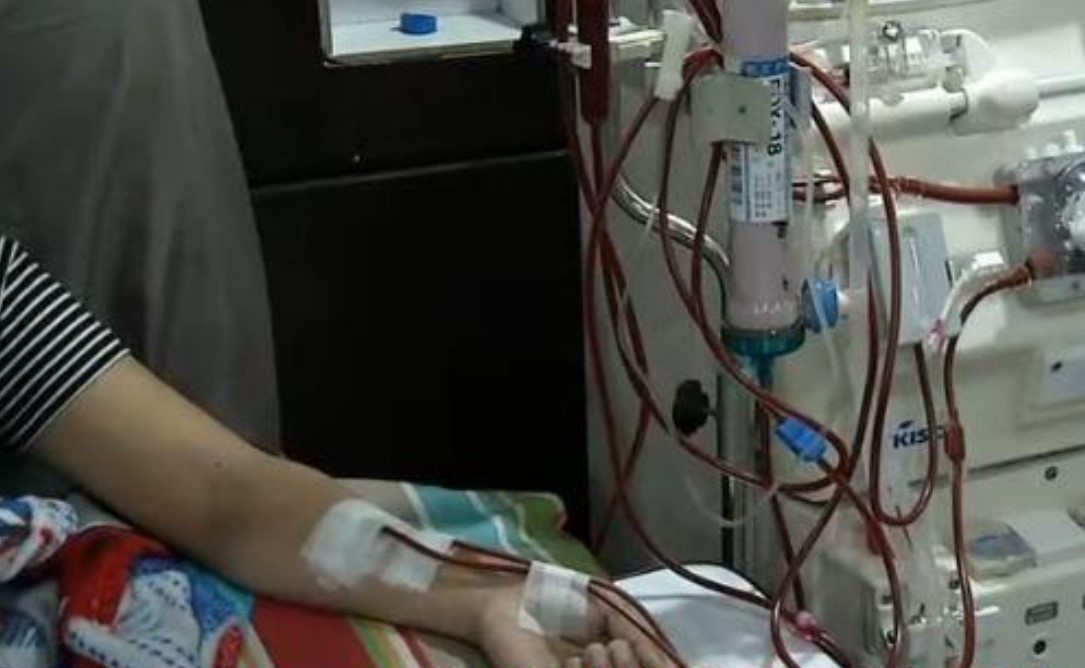
In a move aimed at alleviating the financial burden on patients suffering from chronic kidney disease (CKD) and other critical health conditions, the Philippine Health Insurance Corporation (PhilHealth) has significantly expanded its benefit packages for hemodialysis, peritoneal dialysis, kidney transplant, and even emergency outpatient care.
According to Dr. Israel Francis Vargas, Senior Vice President of the Health Finance Policy Sector of PhilHealth, the changes were prompted by the alarming number of Filipinos developing end-stage renal disease.
“Napakataas na ng porsyento ng mga Pilipino na meron pong chronic kidney disease,” he said during a Bagong Pilipinas interview on Monday.
(A high percentage of Filipinos now suffer from chronic kidney disease.)
To respond to this public health crisis, PhilHealth has raised its annual coverage for hemodialysis from 90 to 156 sessions, now matching the standard of three dialysis sessions per week. The amount reimbursed per session also increased from ?2,600 to ?6,350.
“Ngayon po umaabot ng halos isang milyon ang benepisyo natin para sa hemodialysis,” Dr. Vargas noted.
(Our hemodialysis benefit now reaches nearly ?1 million annually.)
The benefit for peritoneal dialysis—an at-home alternative involving a catheter in the abdomen—was also expanded, now reaching ?500,000 annually for adults and ?1.2 million for children.
“Pwede itong gawin ng mismong pasyente kahit sa bahay, sa opisina, at anumang oras ng araw,” he explained.
(Patients can do this themselves at home, at work, or at any time of day.)
In just the first half of 2025, PhilHealth has already paid ?27 billion for over 2 million hemodialysis claims—almost equal to the ?28 billion it disbursed for all of 2024. For peritoneal dialysis, the agency paid ?121 million for 14,000 claims so far.
Dr. Vargas also addressed concerns about delayed payments. “Ngayon po, ang ating national average for payment ay around 23 days,” he said, adding that this is well ahead of the 60-day requirement and that the agency aims to reduce this further to just seven days.
(Our national average for payment is now around 23 days.)
The agency also expanded its Z-Benefit Package for kidney transplantation, raising coverage from ?600,000 to up to ?2.1 million for children and over ?1 million for adults. Notably, PhilHealth now covers transplants from deceased donors—previously limited to living donors.
“Kino-cover na rin po natin ang disease organ donors,” said Vargas.
(We now also cover deceased organ donors.)
Moreover, the post-kidney transplant care—which includes lifelong immunosuppressant drugs and regular lab monitoring—is also covered. For adults, this ranges from ?600,000 to ?660,000 per year; for children, it’s up to ?1.7 million in the first year.
Beyond kidney-related illnesses
PhilHealth’s expansion goes beyond kidney-related illnesses.
As of February 14, it introduced a new outpatient emergency care benefit, covering patients who are treated in the ER but not admitted. This change fills a previous gap in the system.
“Kapag nadala ka sa ER at hindi ka na-admit, wala tayong benepisyo noon. Pero meron na po tayo niyan ngayon,” Vargas emphasized.
(Previously, we had no benefit for ER patients who weren’t admitted. But now, we do.)
Moreover, patients suffering from acute myocardial infarction (heart attacks) can now receive up to ?130,000 for medication-based treatment and up to ?530,000 for surgical procedures like angioplasty. Cardiac rehabilitation (?66,000) and ambulance transfers (?22,000) are also included in the expanded package.
Dr. Vargas emphasized the role of PhilHealth’s bayanihan model in sustaining these benefits.
He called on Filipinos to fulfill the 4Ms: magparehistro (register), mag-update (update information), magbayad (pay premiums), and mag-avail (use benefits). These, he said, ensure the sustainability and reach of PhilHealth’s services.
“Ang ating mensahe, hindi lamang sa mga may chronic kidney disease, kundi sa lahat: kung hindi man natin nagagamit ang ating PhilHealth ngayon, tandaan natin, ito ay para sa panahon na kakailanganin natin ito.”
(Our message is not just for those with chronic kidney disease, but for everyone: even if we don’t use PhilHealth now, remember that it’s for the time we will need it.) — RSJ, GMA Integrated News

