

 GMA Brandtalk
 Tracking
 Archives

SC: Salaries of public officials may be garnished
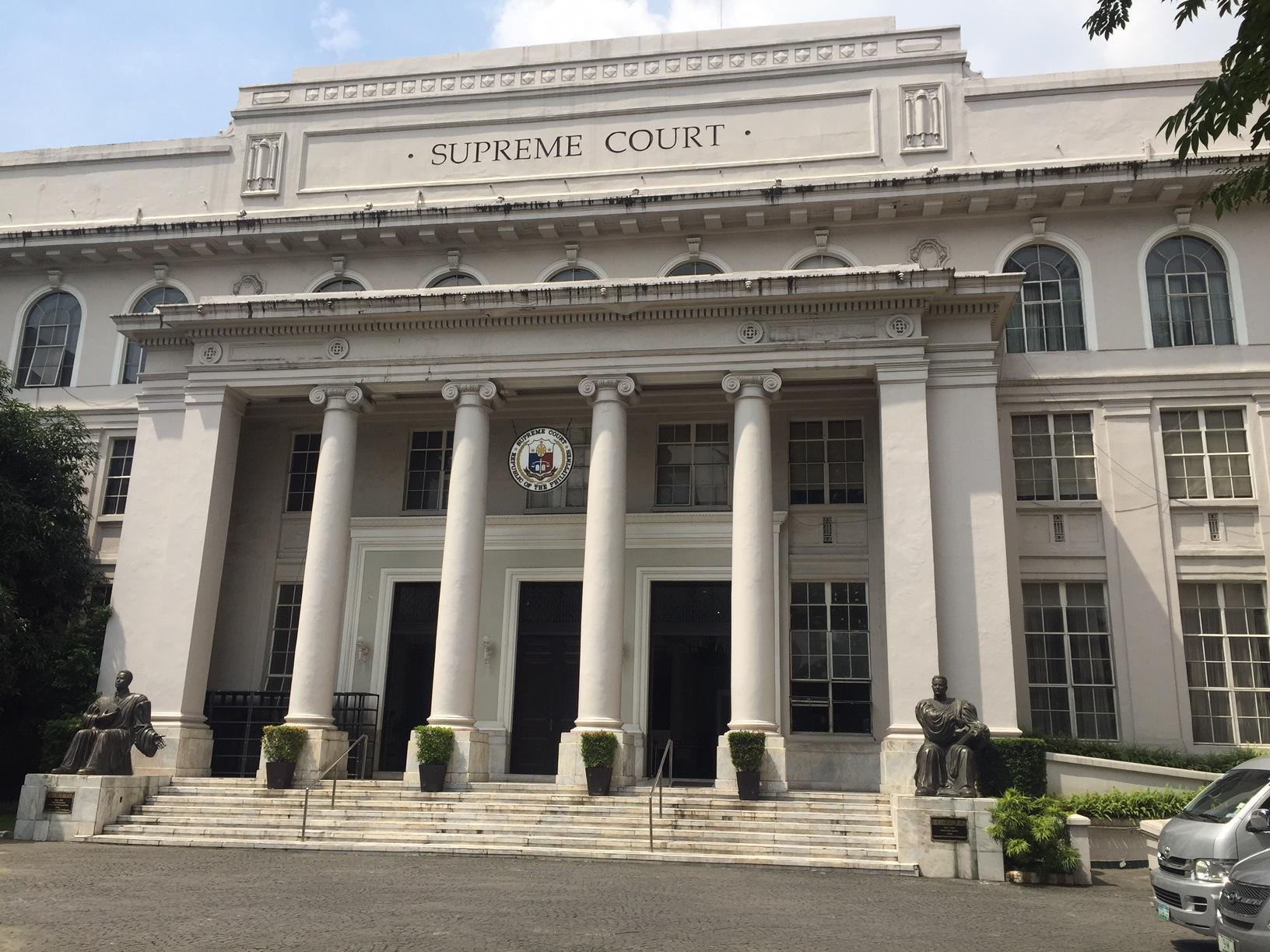
The salaries of public officials may be garnished or legally collected to settle their monetary obligations, the Supreme Court (SC) ruled.
In a 9-page decision, the SC Third Division ruled that the salary of a Baguio city councilor may be garnished to pay his debt to another individual.
“The Court deems it more wise to rule that the salaries of public officials are subject to garnishment not merely because they have lost their public character upon deposit, as previously held in numerous cases, but because they are not covered by the exemptions provided under existing laws and rules,” it said.
According to the court, the councilor was cleared of estafa charges but the regional trial court found him civilly liable and ordered him to pay the individual P308,000. The RTC allowed the garnishment of his salary.
For his part, the councilor argued that his salary may not be collected as the funds were considered government property until they were spent.
However, both the regional trial court and the Court of Appeals stated that once a public official’s salary was deposited into his personal bank account, it was no longer considered public funds.
The SC affirmed the ruling.
It said that under Rule 39 of the Rules of Court, salaries may be garnished to settle debts. However, it said that an exception existed for manual laborers under Article 1708 of the Civil Code.
“The exemption is not even absolute for the salaries of laborers—only so much of their salaries, wages, or earnings within the four months preceding the levy as are necessary for the support of their family shall be exempt from garnishment,” it said.
The decision, penned by Associate Justice Samuel Gaerlan, was promulgated in February and made public in July. –NB, GMA Integrated News

