

 GMA Brandtalk
 Tracking
 Archives

Marcos vows internet for all public schools by end of 2025
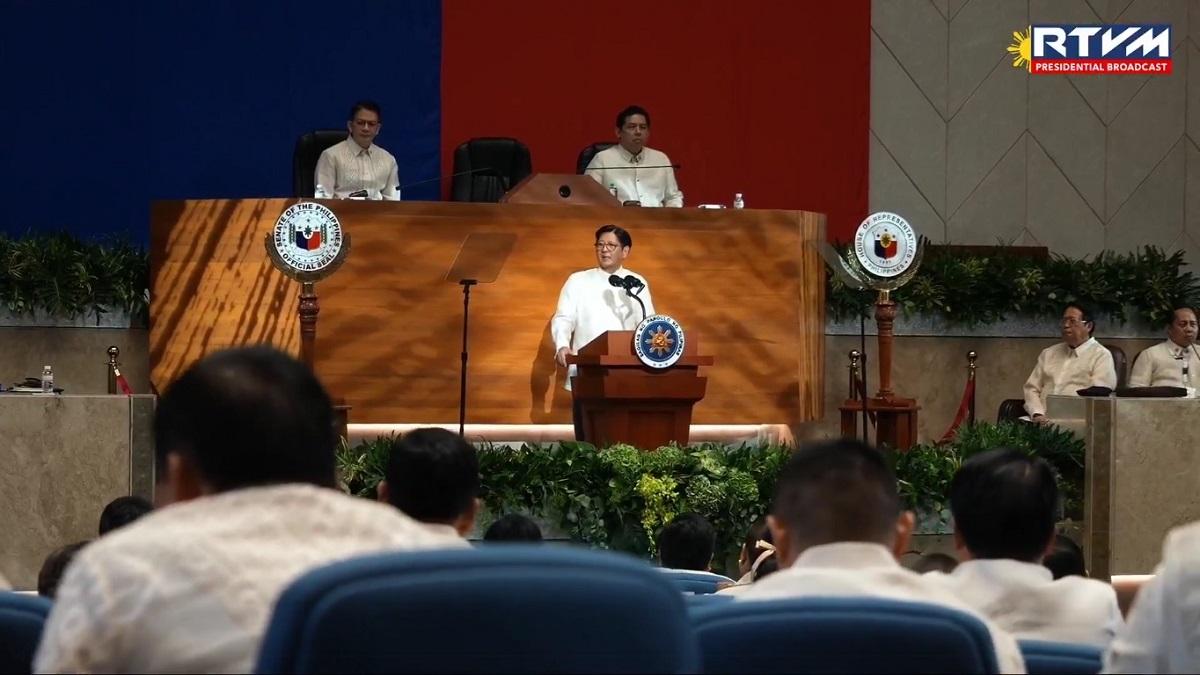
President Ferdinand Marcos Jr. vowed Monday that all public schools in the Philippines will have internet access before the end of 2025, as part of his administration’s aggressive push to modernize education and bridge the country’s digital divide.
During his fourth State of the Nation Address (SONA), Marcos said the lack of connectivity in thousands of schools remains a major challenge, but one his administration is determined to solve within the year.
“Halos labindalawang libong pampublikong paaralan pa ang walang internet. Kaya sinisiguro ng DICT at DepEd na bago matapos ang taong ito, magkakaroon na ng koneksyon sa internet ang lahat ng pampublikong paaralan,” he noted.
(Nearly 12,000 public schools still have no internet. That’s why the DICT and DepEd are making sure that before the year ends, every public school will be connected to the internet.)
Marcos emphasized that internet access is a vital tool in building a "Bagong Pilipinas"—a more connected, inclusive, and future-ready nation.
“Napakahalaga ng internet sa ating pagtahak patungo sa Bagong Pilipinas... Hindi lang ito para sa may kaya, o para lamang sa mga bata. Ito ay para sa lahat,” he said.
(The internet is crucial in our path toward a New Philippines... It is not just for the privileged or for the young. It is for everyone.)
He reported that the first three phases of the National Fiber Backbone project have been completed, significantly enhancing the country’s internet infrastructure. At the same time, the number of Free Wi-Fi sites nationwide has jumped from just 4,000 in June 2022 to nearly 19,000 this year.
Additionally, over a million SIM cards loaded with free data have been distributed to schools, particularly in far-flung areas, to support distance learning and digital access for students and teachers.
“Ngayong taon din, nagsimula na tayong mamigay ng mahigit isang milyong SIM cards na may libreng data para sa ating mga eskuwelahan, lalo na sa mga liblib na pook,” Marcos said.
(This year, we began distributing over a million SIM cards with free data to our schools, especially in remote areas.)
More towers and cell sites are also being constructed in geographically isolated and disadvantaged areas (GIDAs) to ensure even the most remote schools will not be left behind. The President’s statement aligns with his broader education reforms, which include free higher education, teacher support, and digital learning tools like laptops and smart TVs. — RSJ, GMA Integrated News

