

 GMA Brandtalk
 Tracking
 Archives

DepEd issues revised anti-bullying rules, defines roles of school officers
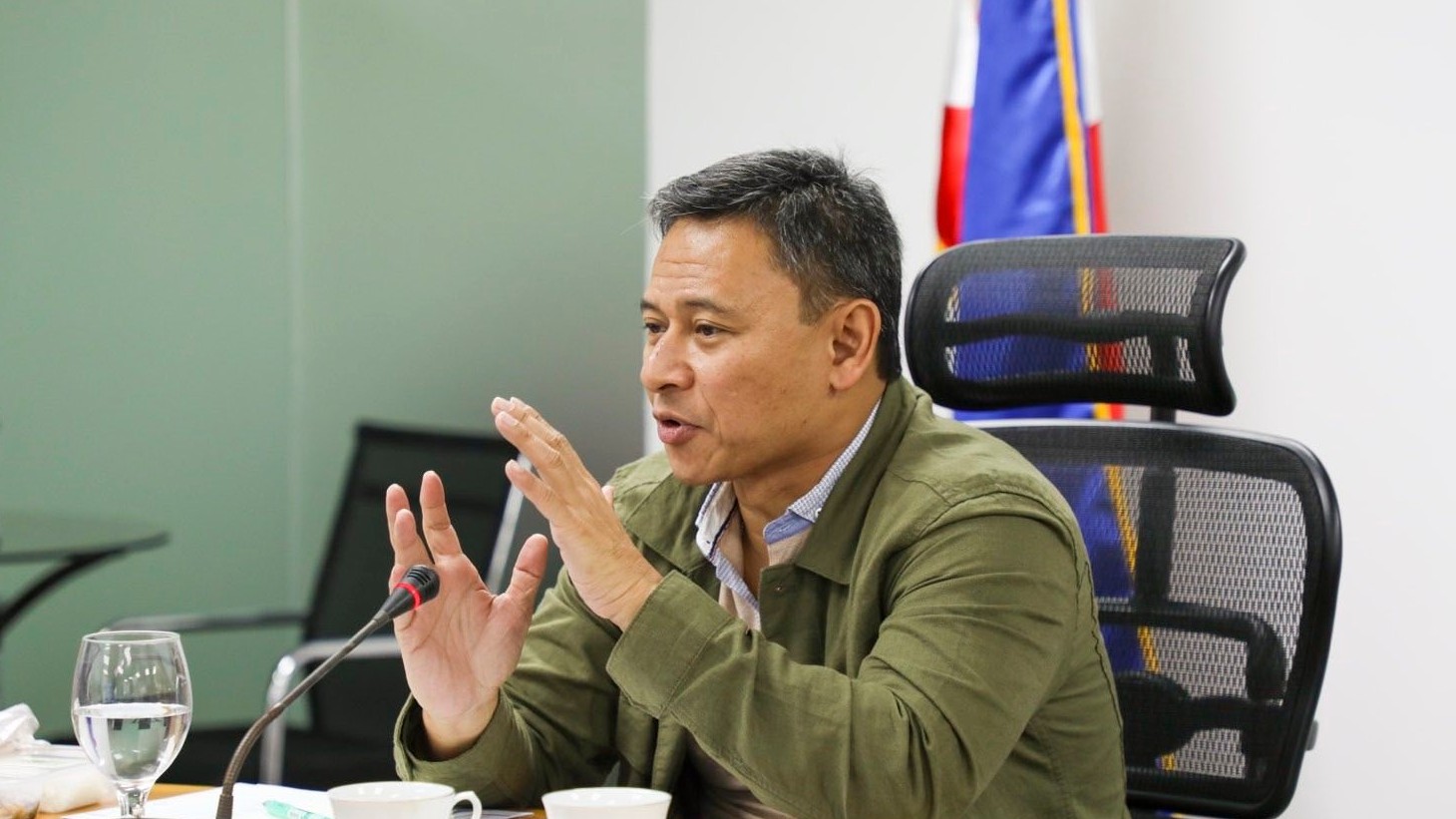
The Department of Education (DepEd) has revised the implementing rules of the Anti-Bullying Act to ensure stronger protection for students, introducing clearer guidelines and responsibilities for schools, educators, parents, and learners alike.
Education Secretary Sonny Angara signed the Revised Implementing Rules and Regulations (IRR) of Republic Act No. 10627 (Anti-Bullying Act of 2013) on Monday, aiming to create safer learning environments, in line with President Ferdinand Marcos Jr.’s push for student welfare and educational equity.
“Ang eskuwela ay lugar ng pagkatuto, hindi ng pang-aapi. Wala dapat puwang ang bullying sa kahit anong sulok ng ating mga paaralan at lipunan,” Angara said.
(School is a place for learning, not oppression. There should be no room for bullying in any part of our schools and society.)
Angara, the principal author of the measure in the Senate, said that the new policy gave schools “sharper teeth” to both prevent and respond to bullying incidents through streamlined, accountable systems.
The updated IRR applies to all public and private basic education institutions, including community learning centers and overseas schools under DepEd’s supervision. Schools must now adopt and operationalize a standard anti-bullying policy that includes:
- School-wide prevention and early intervention programs
- Defined responsibilities for school heads, teachers, parents or guardians, and students
- Clear protocols for addressing, resolving, and appealing complaints
“Kailangan may kultura ng malasakit at respeto. At para mangyari ito, binibigyan natin ng malinaw na kapangyarihan at tungkulin ang mga guro, magulang, at school heads,” Angara said.
(We need a culture of compassion and respect. To achieve that, we’re giving teachers, parents, and school heads clear authority and responsibility.)
One of the key reforms is the introduction of the Learner Formation Officer, a designated staff member in every school who will serve as the first responder to bullying complaints.
This officer will ensure that cases are addressed promptly and referred when necessary.
Schools must also include anti-bullying procedures in student handbooks and post these guidelines visibly on campus.
Angara cited studies linking bullying to absenteeism, poor academic performance, and student dropouts. He stressed that anti-bullying efforts are not just about discipline but are essential to improving educational outcomes.
“Walang bata ang uunlad kung araw-araw siyang takot pumasok sa klase. Kaya itong polisiya ay hindi lang para sa disiplina, kundi para rin sa kalidad ng edukasyon,” he said.
(No child can thrive if they’re afraid to go to school every day. This policy is not just about discipline, but also about the quality of education.)
DepEd also vowed to closely monitor the functionality of Child Protection Committees in schools and provide technical assistance to ensure support systems are in place.
The revised anti-bullying policy will be published in the Official Gazette and disseminated to all DepEd regional and division offices in the coming days.
Last week, President Ferdinand "Bongbong" Marcos Jr. has directed the hiring of more school counselors in public schools, citing rising cases of bullying and mental health challenges among learners during his fourth State of the Nation Address (SONA).
Calling attention to the emotional toll many students continue to face, Marcos said the government must prioritize the mental well-being of young Filipinos alongside traditional academic interventions. The Department of Education had earlier acknowledged the lack of school counselors to support students' well-being.
The president also announced the rollout of the YAKAP Caravan, a new nationwide initiative that provides free medical checkups, cancer screenings, and essential medicines for both learners and teachers.
While primarily focused on physical health, the YAKAP program is expected to open more touchpoints for early detection of psychological stress, anxiety, and depression among students, especially in underserved communities. –NB, GMA Integrated News

