

 GMA Brandtalk
 Tracking
 Archives

DepEd seeks multi-sector drive to close classroom gap
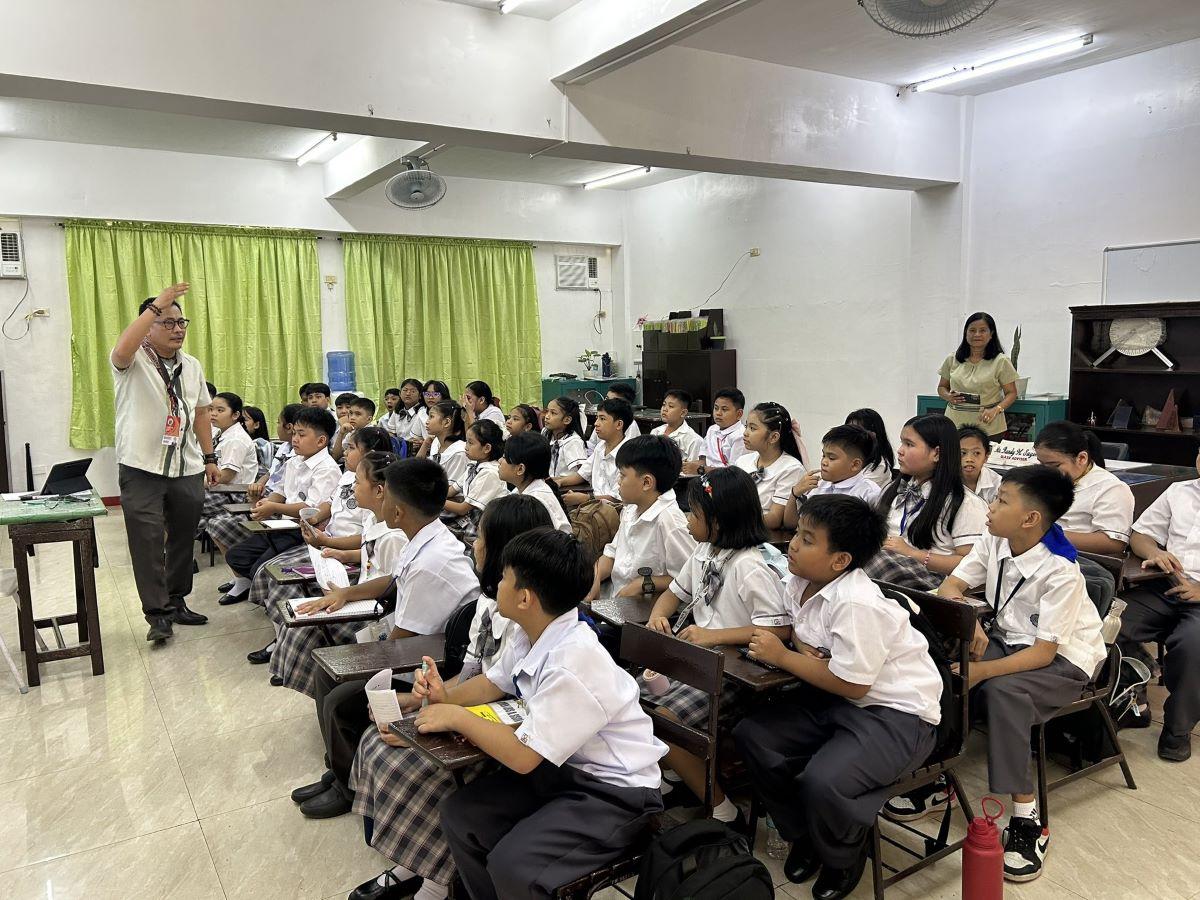
Education Secretary Sonny Angara intensified calls for multi-sector collaboration in accelerating the construction of classrooms amid the proposed education budget of P1.224 trillion in the 2026 National Expenditure Program (NEP).
This, as DepEd’s proposal for the 2026 NEP includes a “Special Provision on flexibility,” enabling local government units (LGUs), private partners, and NGOs (non-government organizations) to take on project implementation—especially vital in disaster-prone and remote areas.
“Nagpasok tayo ng Special Provision on flexibility sa 2026 NEP. Dahil madalas ring tumutugon ang DPWH (Department of Public Works and Highways) sa mga kalamidad, nais nating bumuo ng pool ng mas maraming implementing actors upang matiyak na magpapatuloy ang mga proyekto nang walang aberya,” Angara said.
(We introduced a Special Provision on flexibility in the 2026 NEP. Since DPWH often responds to disasters, we want to form a pool of more implementing actors to ensure projects continue without disruption.)
He added that LGUs could tap into their Special Education Fund (SEF), while the private sector could contribute via Public-Private Partnerships (PPP) or the Adopt-a-School program.
“Kailangan nating buksan ang pinto para makasali ang LGU, NGO, at iba pang handang tumulong para mapabilis ang pagpapatayo. Ang mahalaga, kung saan may pondo, dapat may marunong at mabilis na tagapagpatayo,” Angara said.
(We need to open the door for LGUs, NGOs, and others willing to help to speed up construction. What’s important is that where there’s funding, there should be capable and fast builders.)
DepEd’s strategy incorporates a national classroom master plan using demographic trends and site-level data, aiming to program funds efficiently through the Basic Education Facilities Fund and Quick Response Fund. DepEd engineers will monitor construction, with inter-agency validation ensuring transparency and quality.
Flood- and typhoon-resilient designs are also being adopted—such as stilted classrooms and elevated structures with waterproofed roofing, particularly in regions like Bicol.
DepEd also supports the proposed Classroom Building Acceleration Program (CAP) under Senate Bill No. 121, emphasizing that it should be built on the national master plan, clear shared roles, priority targeting of high-need areas, and centralized monitoring.
The education sector got the largest allocation in the proposed 2026 NEP—P1.224 trillion—upholding the constitutional mandate to prioritize education funding.
This includes P928.5 billion for DepEd, P134.9 billion for State Universities and Colleges (SUCs), P33.9 billion for CHED, and P20.2 billion for TESDA. Teachers' allowances were increased to ensure a doubled rate of P10,000 per month starting SY 2025–2026.
President Marcos emphasized that this allocation aligns with UNESCO guidelines, targeting 4–6% of GDP and 15–20% of total public expenditure in education. —VAL, GMA Integrated News

