

 GMA Brandtalk
 Tracking
 Archives

Solon urges CHED to monitor student activities amid safety concerns
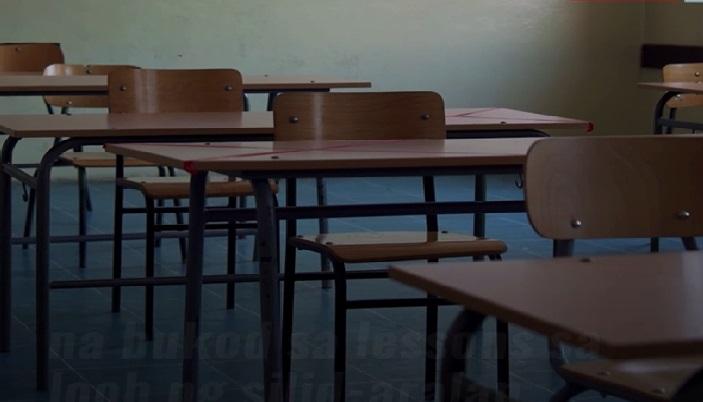
Senator Raffy Tulfo on Wednesday called on the Commission on Higher Education (CHED) to step up the monitoring of student activities amid rising concerns over campus safety, including suicides linked to academic pressure, deaths of young athletes during training, and persistent fraternity hazing.
Speaking at the Senate Committee on Higher, Technical and Vocational Education, Tulfo cited several incidents of students collapsing during training including National University basketball player Arslene Abong and 20-year-old boxer Mark Castillo, as examples of the risks faced by young people in training.
He also warned that some students resort to suicide when they feel unable to cope with failing grades, peer criticism, or parental pressure.
“Hindi kaya nilang matanggap na bumagsak ang kanilang grades at sila ay mababash ng kanilang peers o hindi kaya sila ay mapapagalita ng parents, they end up committing suicide.”
(Some students cannot accept failing grades, being bashed by their peers, or being scolded by their parents — and they end up committing suicide.)
The lawmaker also lamented that violent fraternity practices persist despite the Anti-Hazing Law being in place for more than 25 years.
While saying he does not object to fraternities, Tulfo pressed for stricter monitoring of their activities, especially those held outside school premises.
“Pero dapat ‘pag sila nagkawa ng activities outside the school, then dapat sila i-monitor. Dapat binibigyan nilang information kung saan sila pupunta, anong bahay, or anong oras, etc. para monitor ng school ang mga activities nila and ensure kahit papaano mabawasan ang tinatawag na hazing.”
(But if they conduct activities outside the school, they should be monitored. They should provide information on where they are going, which house, and at what time, so the school can monitor their activities and at least reduce hazing incidents.)
He noted that even high-ranking government officials are fraternity members, but added they should help lead solutions instead of being part of the problem.
Education reforms pushed
Meanwhile, Senator Bong Go urged the Senate to expand the government’s free tertiary education program to cover more poor but qualified students, including those in private higher education institutions.
“I filed SB 169 by seeking to expand the free tertiary education subsidy or test coverage. This measure proposes the inclusion of qualified poor students enrolled in private higher education institutions, HEIs and TVIs, especially in localities where comparable programs are not offered by nearly all of them,” Go said.
(I filed Senate Bill 169 to expand the free tertiary education subsidy or TES coverage. This measure proposes the inclusion of qualified poor students in private HEIs and TVET schools, especially in areas where public institutions do not offer comparable programs.)
The solon also called out delays in the release of CHED’s financial grants.
Senator Bam Aquino, principal author of the free college education law, likewise pressed the Marcos administration to sustain funding for the program, as he warned of possible budget cuts.
“And yet nakita natin in 2025 nabawasan ang pondo ng free college law.”
(And yet we saw that in 2025, the budget for the free college law was reduced.)
Aquino pointed out that when the law was passed in 2017, only one in four students in state universities and colleges (SUCs) graduated.
Currently, the completion rate has risen to 68 percent.
“So ibig sabihin nun, nag-start tayo sa 25%. Doon po tayo nagsimula. … Ang accomplishment ng free college law, ang completion rate na 25% naging 68%,” Aquino pointed out.
(That means we started at 25%. That’s where we began. … The accomplishment of the free college law is that the completion rate rose from 25% to 68%.)
He also flagged that only 35 percent of graduates are employed, underscoring the need to realign course offerings with labor market demands.
“Nakakabahala yung balita na 35% lang ng mga graduate natin ang may trabaho. … Once we find out what the real employability or employment rate is, doon natin malalaman kung yung course offerings ba natin ay talagang akma o hindi.”
(It is alarming that only 35 percent of our graduates are employed. … Once we find out what the real employability or employment rate is, then we will know if our course offerings are really aligned or not.) — RF, GMA Integrated News

