

 GMA Brandtalk
 Tracking
 Archives

8 out of 10 Pinoys trust results of May 2025 elections —OCTA
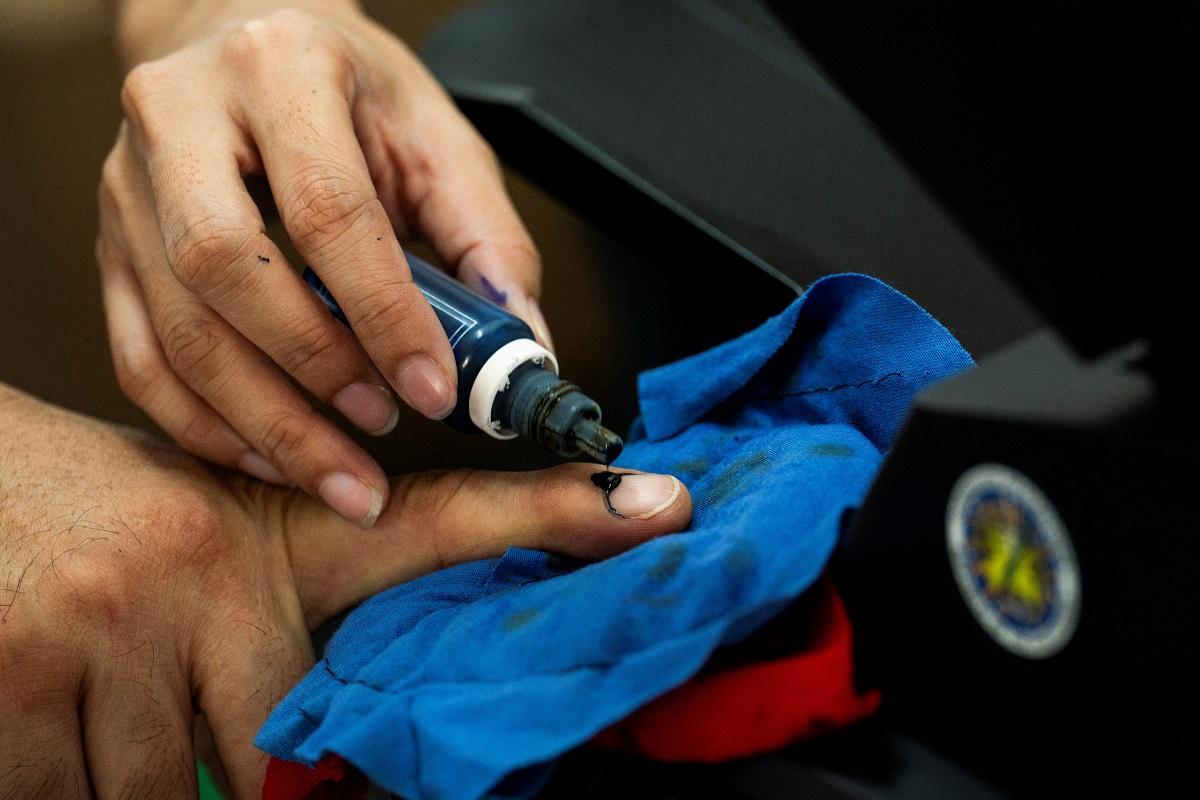
Eight out of 10 Filipinos trust in the integrity of the recent May 12 elections, results from the latest OCTA Research survey showed.
Based on the Tugon ng Masa (TNM) survey issued Wednesday, 83% or majority of Filipinos expressed confidence in the accuracy and credibility of the official results of the 2025 national and local elections (NLE). At least 4% expressed distrust of the poll results, while 14% were undecided.
OCTA Research said the high trust ratings were reported across the majority of the regions except in CARAGA, where it is slightly lower at 39%. Other regions with high trust levels were Central Visayas (99%), MIMAROPA (97%), Bicol Region (94%), Negros Island Region (91%), and Zamboanga Peninsula (91%).
Distrust levels, meanwhile, remain below 10% except in the Cordillera Administrative Region (CAR) at 24% and CARAGA at 34%.
“This broad level of trust suggests that despite political divisions and intense campaigns, the majority of Filipinos accept the legitimacy of the electoral process and its results,” the polling firm said.
“Such confidence strengthens democratic institutions by reintorcing the role of the Commission on Elections (Comelec), election watchdogs, and automated vote-counting systems as credible arbiters of the people's will,” it added.
Meanwhile, the OCTA Research said the trust ratings for the 2025 midterm elections also remained consistently high among Filipinos aged 45-54 (78%) and among those aged 75 and above (87%). Distrust stood at 5% while ambivalence — or those who remained neutral — was at 10% for those aged 55-64 and 18% for individuals aged 18-24.
Comelec
Likewise, majority of Filipino adults or 64% expressed confidence in the performance of the Comelec in the 2025 midterm elections, agreeing that the poll body ensured it was free, fair, and credible. About 4% disagreed and 33% were neutral.
Confidence in Comelec's performance is generally consistent across major areas and socioeconomic classes. However, ambivalence is notable, ranging from 20% in the Visayas to 40% in Balance Luzon, and from 29% among Class ABC to 34% among Class D respondents.
“Overall, while a clear majority views Comelec positively, the relatively high levels of ambivalence — particularly among younger, urban, and more educated voters— point to areas where improvements in communication, voter engagement, and transparency are most needed,” the OCTA Research said.
“Sustaining credibility across generations will be critical as younger Filipinos make up an increasing share of the electorate,” it said.
The polling firm further said a large majority or 79% of Filipinos believe that electoral credibility is closely tied to the assurance that the process is protected from fraud or manipulation as they identified cheating as the top concern for the future elections.
“Moving forward, the Comelec central task will be to sustain broad confidence while addressing the pockets of ambivalence,” it said.
It added: “Strengthening safeguards, enhancing transparency, and deepening engagement with younger generations will be essential. How effectively the commission responds to these expectations will shape not only its institutional credibility but also the stability and legitimacy of future electoral cycles, including the pivotal 2028 presidential elections”.
The OCTA Research conducted the non-commissioned survey from July 12 to July 17 through face-to-face interviews with 1,200 respondents aged 18 years old and above. The survey has ±3% margin or error at a 95% confidence level.
Automated Election System
Meanwhile, the polling firm filtered the respondents to registered voters to assess the public satisfaction with the automated election system (AES).
About 86% of registered voters said they were satisfied with the AES while 3% were dissatisfied. At least 10% were ambivalent.
The OCTA Research also found that 83% of Filipinos said that counting was faster in the 2025 polls compared to the May 2022 elections — citing it as a major improvement in the electoral process. Only 3% said the process was slower and 12% felt it was about the same.
At least 96% of Filipinos said it was easier to vote through the automated counting machines (ACMs) while nine out of 10 or 92% favored retaining the 2025 AES.
“For many Filipinos, the automated polling system is associated with faster results, fewer errors, and greater transparency compared to manual elections,” the OCTA Research said.
“This broad acceptance suggests that any move to revert to manual processes would face strong public resistance, while any technical failure or vulnerability could quickly undermine trust,” it said.
According to the polling firm, the Comelec “must sustain this confidence by ensuring reliability, strengthening cybersecurity, and expanding voter education to address lingering doubts. Building on overwhelming public support, the automated polling system can be further entrenched as a pillar of electoral credibility and democratic practice in the Philippines.”
Election surveys
Meanwhile, the TNM survey also showed that a majority or 61% of Filipinos still trust the election surveys. Only 6% expressed distrust, while 3% were ambivalent.
The OCTA Research said the findings suggest that “election surveys remain a credible source of political information for most Filipinos, with broad support across regions and income groups.”
“Election surveys provide value not only to voters but also to the Comelec. By offering independent and credible snapshots of public sentiment, surveys help inform election management, guide voter education campaigns, and highlight emerging issues that may affect the integrity of the polls,” it said.
It added: “For this reason, cooperation between survey providers and COMELEC must continue. Such collaboration enriches the information environment, promotes transparency, and allows both the public and institutions to gauge the credibility of the elections." —LDF, GMA Integrated News

