

 GMA Brandtalk
 Tracking
 Archives

Classroom backlog means dawn classes for kindergarten students —EDCOM II
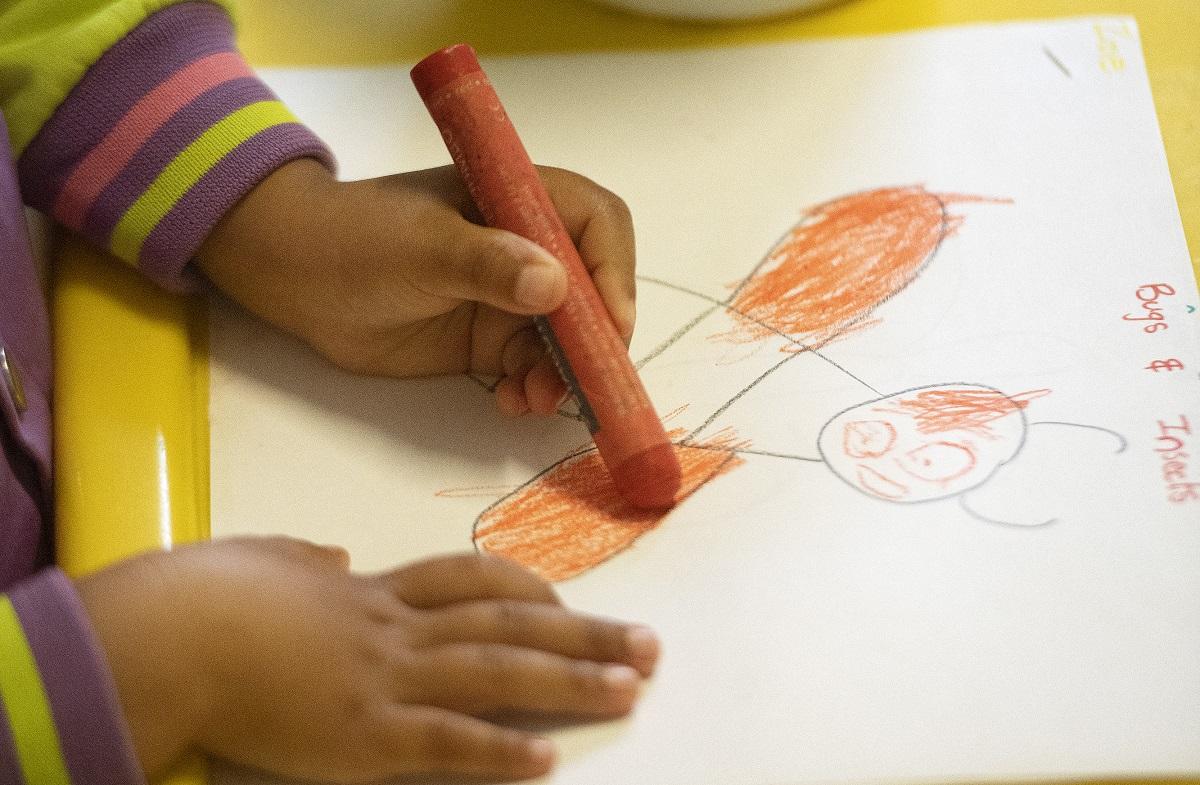
A shortage of 165,000 classrooms nationwide is forcing kindergarteners to attend school as early as dawn—or stay home altogether.
This was the stark warning raised by the Second Congressional Commission on Education (EDCOM II) during a joint briefing before the House Committees on Higher and Technical Education and on Basic Education and Culture on Tuesday.
In Cavite, for example, children as young as five start classes at 5:45 a.m., waking up before sunrise to make it to school on time. Others attend only two or three days a week, relying on take-home modules that parents are often unable to teach.
“Kailangan po natin unahin yung congestion sa kinder to grade 3 kasi wala pong paraang matututo ang isang bata mag-isa sa bahay ng literacy,” said Dr. Karol Mark Yee, EDCOM II executive director.
(We need to prioritize decongesting Kinder to Grade 3, because a child cannot learn literacy alone at home.)
Multiple shifts, overcrowding
The backlog has accumulated over decades, with DepEd reporting that some classrooms under construction in 2022 were still funded by allocations from 2014.
The problem is most severe in Region 4A (CALABARZON), Metro Manila, Region 7 (Central Visayas), and Region 3 (Central Luzon). In these areas, schools resort to double, triple, or even up to six shifting schedules to accommodate thousands of learners.
EDCOM warned that the overcrowding undermines literacy and numeracy programs, since early-grade learners need consistent, guided instruction.
“Children in Kinder to Grade 3 cannot learn to read and write on their own. Shifting schedules deny them the time and attention they need,” Yee said.
Policy fixes on the table
To ease congestion, lawmakers are revisiting proposals to expand the government’s voucher system to Grades 1–6, allowing public funds to support qualified students in private schools.
A pending bill also seeks to require all government housing projects to include allocations for new schools, following reports that some DepEd schools saw enrollment balloon from 900 to 3,000 after nearby housing sites were built without education infrastructure.
At the same time, EDCOM is advocating that classroom construction be fast-tracked and more closely aligned with population growth, particularly in rapidly urbanizing regions.
Human impact
Behind the statistics are children whose education is compromised from the very start. In one Cavite kindergarten class, pupils begin at dawn and end by 9 a.m., while others spend alternate days at home, where learning is uncertain.
“Wala pong paraang matututo ang isang bata mag-isa sa bahay ng literacy,” Yee repeated.
(There is no way a child can learn literacy alone at home.)
EDCOM warned that unless the classroom backlog is urgently addressed, literacy and numeracy reforms will be undermined.
“We cannot expect education reforms to succeed if children do not even have a classroom to learn in,” the Commission stressed. — BM, GMA Integrated News

