

 GMA Brandtalk
 Tracking
 Archives

Australia, Canada, Japan nix China nature reserve plan in Scarborough Shoal
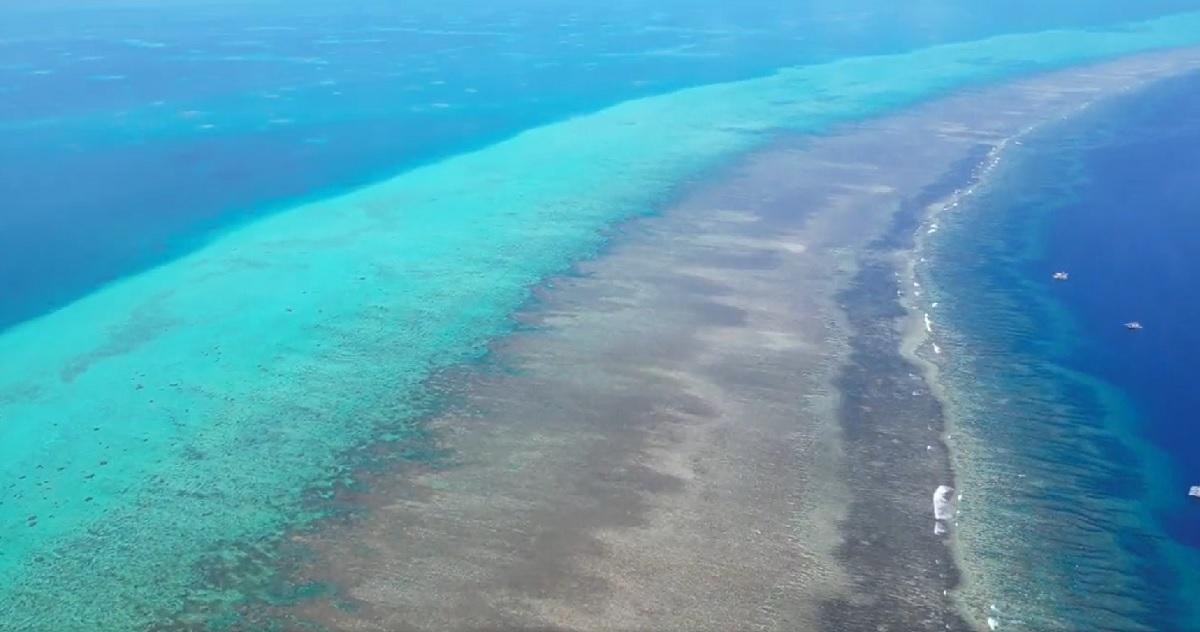
The governments of Australia, Canada and Japan joined the Philippines and United States in rejecting China's plan to build a nature reserve in Scarborough Shoal, an area within Manila's waters, but being claimed by Beijing as part of its territory.
"Australia is concerned by the potential implications of China’s announced nature reserve at Scarborough Shoal in the SCS (South China Sea). We urge the parties to respect UNCLOS and the 2016 Arbitral Award, which found Filipino fishers have traditional fishing rights at Scarborough Shoal," Australian Ambassador Marc Innes-Brown said.
Manila has repeatedly declared that provocative moves, such as construction activities at the shoal, which it calls Bajo de Masinloc or Panatag Shoal, are considered "red lines" or non-negotiable and unacceptable actions for the Philippines.
The shoal, a U-shaped rocky outcrop teeming with marine resources, was seized by China from Manila in 2012 following a two-month standoff, triggering an arbitration complaint by the Philippines a decade ago.
READ: EXPLAINER: What is Scarborough Shoal and why is it important?
China on Sept. 10 said it approved the creation of a national nature reserve at Scarborough Shoal, which it calls Huangyan Island, in a move aimed at reinforcing its territorial claims and maritime rights in the contested region.
The Chinese Embassy in Manila said Sunday its plan to establish a "national nature reserve" at the shoal "is within China’s sovereign rights, which is aimed at protecting the ecological environment of the island, and ensuring its ecological diversity, continuity and sustainability."
"This move is in line with China’s domestic laws and international law, and fully shows that China, a responsible major country, is resolved to actively protect the ecological environment and a sustainable planet," it said.
But it has yet to comment on the remarks by Australia, Canada and Japan.
The US, a long-time Philippine treaty ally, said China's plan is "another coercive attempt to advance sweeping territorial and maritime claims in the South China Sea."
Japanese Ambassador Endo.Kazuya said he is "seriously concerned" over China's recent announcement, noting that such unilateral action on the shoal "could undermine regional stability in the South China Sea."
Endo said the arbitral award, largely won by the Philippines in 2016, "is final and legally binding, and the parties are required to comply with it."
The international tribunal in The Hague, Netherlands invalidated China's vast territorial claims in the waters, where tensions and violent confrontations have occurred between China and smaller claimants, like the Philippines and Vietnam. Beijing does not recognize the ruling.
Canada, for its part, said while it recognizes the importance of protecting maritime ecosystems in the South China Sea, it opposes attempts "to use environmental protection as a way to take control over the disputed Scarborough Shoal." — RSJ, GMA Integrated News

