

 GMA Brandtalk
 Tracking
 Archives

UN agency hails Philippines' new disaster preparedness law
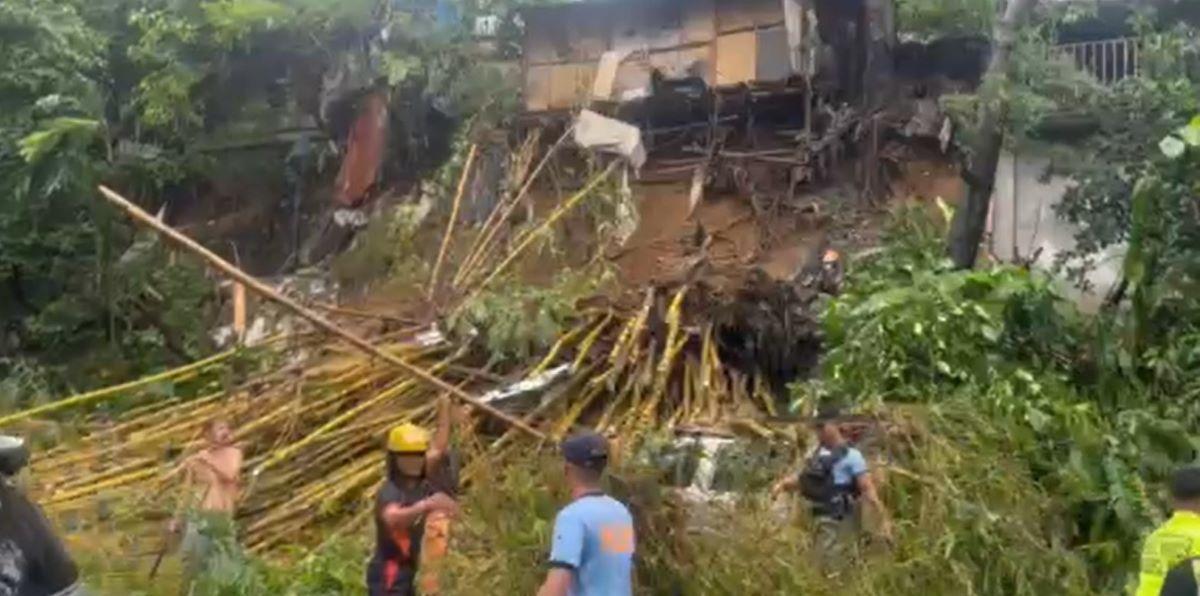
The United Nations Food and Agriculture Organization has lauded the Philippines’ passage of a new law that allows the government to declare a state of emergency and put in place contingency measures ahead of typhoons and other calamities to protect affected communities.
Philippine Ambassador to Rome Neal Imperial, also Manila’s representative to the FAO, on Monday said the UN agency called Republic Act No. 12287 or an Act Establishing a Mechanism on the Declaration of State of Imminent Disaster a “pioneering law” that aligns with its objectives.
“It provides the enabling policy environment for anticipatory action to take root and expand in the Philippines,” Imperial said.
The FAO commended Manila’s action during the agency’s Special Fund for Emergency and Resilience Activities (SFERA) held on Sept. 24 at its headquarters in Rome, the envoy said.
SFERA is FAO's flexible funding instrument designed to deliver urgent agricultural assistance at speed. Its key donors include Belgium, Germany, Norway, Sweden and the United Kingdom.
Signed by President Ferdinand Marcos Jr. on Sept. 18, 2025, the law signals a decisive shift from reactive to proactive and life-saving measures and underscores the Philippines’ commitment to scale up its anticipatory action initiatives.
“While SFERA delivers the rapid and flexible funding needed ahead of disasters, the new legislation ensures that these interventions are institutionalized and coordinated,” Imperial said.
Imperial said the FAO also highlighted SFERA’s significant role in providing disaster relief in the Philippines, the fourth most disaster-prone country in the world.
Since 2019, SFERA has been providing timely and flexible funding that enabled anticipatory action and emergency livelihood support, helping vulnerable farmers and fisherfolk withstand the impact of droughts, floods and typhoons.
In November 2024, the Philippines was hit by six tropical cyclones in 25 days.
With rapid funds from SFERA, Imperial said FAO was able to assist about 8,000 families 72 hours before severe tropical storm Toraji (Nika) and super typhoon Man-yi (Pepito) made landfall in a span of just one week.
Families received digital cash transfers within 3-5 minutes of activation.
“This shows that anticipatory action is not only more cost-effective, it is also faster, smarter and more humane than post-disaster response,” Imperial said.
“As climate emergencies intensify, investing in anticipatory action through mechanisms like SFERA is no longer just strategic – it is essential, especially in an era of constrained humanitarian financing environment.” — Michaela Del Callar/RSJ, GMA Integrated News

