

 GMA Brandtalk
 Tracking
 Archives

Unprogrammed appropriations in budget needed for disasters, some solons say
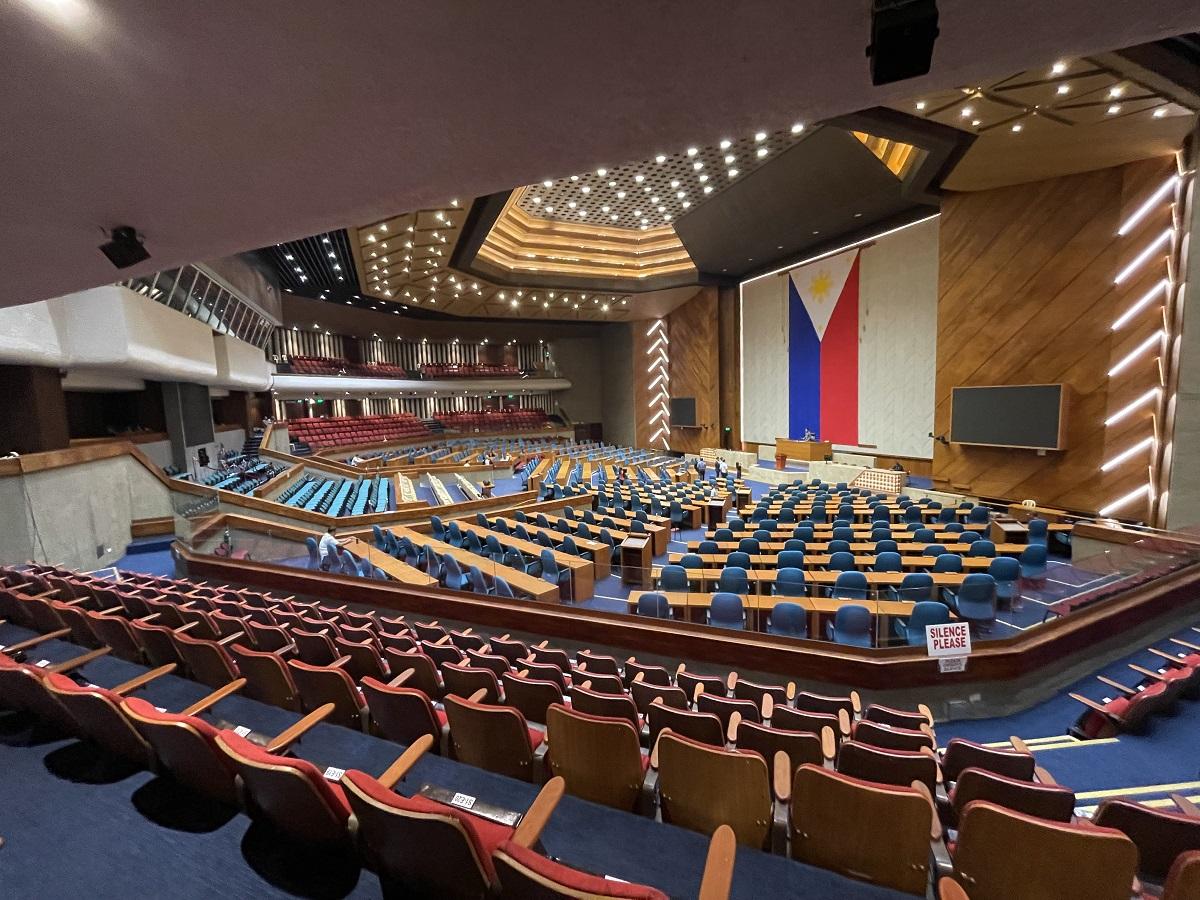
Several members of the House of Representatives defended the decision of the House Committee on Appropriations and its Budget Amendments Review Subcommittee to retain unprogrammed appropriations in the proposed 2026 national budget.
House Deputy Speaker and Antipolo City 1st District Representative Ronaldo Puno said disaster relief operations are included in unprogrammed appropriations.
"Kasi we cannot anticipate disasters. Hindi natin ma-anticipate 'yung mga sakuna. So, for example, this year, nakadalawang malaking earthquake na tayo in the past week alone. Kailan last nangyari 'yan, di ba? Ang tagal na. So hindi inasahan talaga 'yan," Puno said in an ambush interview Friday.
(Because we cannot anticipate disasters. We cannot anticipate tragedies. So, for example, this year, we had two powerful earthquakes in the past week alone. When was the last time this happened? A long time ago. So this was really unexpected.)
The Budget Amendments Review Subcommittee of the House appropriations committee slashed the funding for some items under unprogrammed appropriations in the proposed P 6.793-trillion national budget for 2026.
As part of the changes, funding for local infrastructure projects may no longer be sourced from the P80.86 billion allocation under the Strengthening Assistance for Government Infrastructure and Social Programs (SAGIP).
The SAGIP allocation was reduced to P45 billion for foreign-assisted projects and will be now called the Strengthening Assistance for Government Programs (SAGP).
Earlier, Senate President Vicente "Tito" Sotto III said he will push to remove unprogrammed funds in the national budget for next year—a proposal that got the backing of opposition lawmakers in the lower chamber.
However, Malacañang said this is unlikely to happen, adding that there are enough safeguards prior to the disbursement of these allocations. In a press briefing on Wednesday, Palace press officer Atty. Claire Castro said unprogrammed funds are used for government programs and in times of emergency cases and situations.
If used properly
Unprogrammed appropriations are funded when the government has excess evenues.
"Doon sa unprogrammed na sinasabi nilang baka gamitin sa walang kuwenta, kailangan laging may unprogrammed sa budget. Kasi hindi naman fixed yung income ng gobyerno. Dependent sa collections sa buwis, dependent sa ma-income nila from the different sources," Puno said.
(For the unprogrammed appropriations, which some say might end up being used for useless expenses, there should always be some of these in the budget because the government doesn't have a fixed income. It is dependent on tax collections and income it can generate from different sources.)
"'Pag hindi mo nilagyan ng unprogrammed na ganyan, 'pag may additional collections, wala kang puwedeng paglagyan noon. So ilalagay mo 'yon sa savings. Sa government budgeting, hindi efficient 'yung ganoon. Kasi kailangan, 'pag ang gobyerno ay kumikita, 'yung specific amount na within 'yung guidelines ng expenditure program nila, kailangan magastos 'yon. Otherwise, the economy will slow down, maraming mga negative effects din. So number one, 'yung unprogrammed, hindi masama kung gamitin sa tama," he added.
(If there are no provisions for unprogrammed funds, there will be nowhere to put additional collections. So these will go to savings. In government budgeting, this is not efficient. If the government is earning profit, the specific amount should be spent within the guidelines of the expenditure program. Otherwise, the economy will slow down and there will be many negative effects. So number one, unprogrammed allocations are not bad if these are used properly.)
Only two things
This was also the assurance given by House Appropriations Committee Vice Chair and Palawan 2nd District Representative Jose Alvarez.
"'Yung unprogrammed, talagang kailangan 'yon ng Palasyo. Bakit? Tinanggal na natin 'yung, tinanggal na mga contentious issues sa infrastructure katulad nung cino-convert na flood control, kalsada, tulay. Wala na 'yon. Tinanggal natin 'yon from the unprogrammed funds. Ang naiwan na lang sa unprogrammed funds ay 'yung mga gagamiting pera doon sa ating mga joint venture project ng foreign-funded projects. Isa. At saka pangalawa, kung may kalamidad, ma-access ng Palasyo 'yung unprogrammed funds for calamities. Dalawa lang, walang iba. So wala na 'yung pagdududahan doon, magagamit na naman ito kung saan-saan gagamitin," Alvarez said in an ambush interview.
(Unprogrammed allocations are really needed by the Palace. Why? We already removed the contentious issues related to infrastructure, such as converting funds for flood control, roads, and bridges. These are now gone. What's left in unprogrammed funds is provisions for foreign-funded joint venture projects. That's one. Secondly, during times of disaster, the Palace may access the unprogrammed funds for calamities. Only these two—nothing more. So there should be no more suspicion that it would be used for other things.)
The House of Representatives on Friday approved the P6.793-trillion budget for 2026 on second reading, and will be up for third and final reading on Monday.
"I think I can assure everybody na the budget that is being passed here in the House satisfies all the demands and requirements of our development, it follows the ethical beliefs of our people, and it follows the economic plan of the government. So tingin ko maganda 'yung kalalabasan nitong budget (So I think the budget will have a good outcome)," Puno said. — VDV, GMA Integrated News

