

 GMA Brandtalk
 Tracking
 Archives

OCD: Corruption has become a human disaster
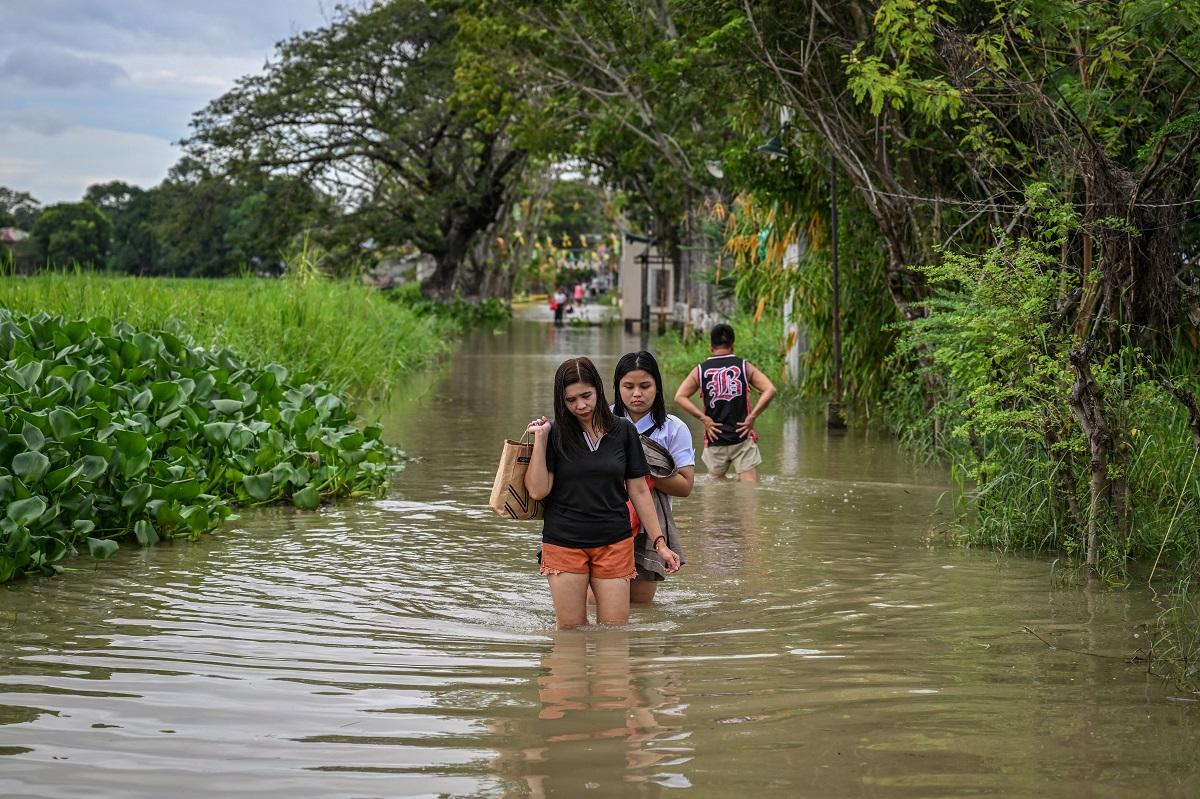
The Office of Civil Defense (OCD) has warned that corruption and misuse of public funds meant for disaster mitigation, such as the flood control projects in question, "have become a human disaster" in themselves.
Speaking at the observance of the International Day for Disaster Risk Reduction (IDDRR) at the SM Mall of Asia on Monday, OCD Assistant Secretary Cesar Idio said the country’s recurring disaster losses are aggravated not only by natural hazards but also by corruption in programs intended to prevent them.
“It pains us to know that the funds meant to rescue them from danger and misery are used instead for the benefit of a few,” Idio said.
“Today, as we promote risk awareness and disaster risk reduction, we also pray that our government succeeds in its fight against corruption, which unfortunately has become a human disaster,” he added.
Idio’s remarks came as the Philippines retained its position as the most disaster-prone country in the world, scoring 46.56 in the 2025 World Risk Index. He said the country faces an annual average of 20 tropical cyclones, along with frequent floods, droughts, earthquakes, and volcanic eruptions—all projected to intensify by up to 40 percent by 2030 due to climate change.
According to the Philippine Statistics Authority, disasters over the past decade have cost the country P500 billion in losses. To address this, Idio said the government has increased the National Disaster Risk Reduction and Management Fund to P20 billion in 2025, up by P500 million from the previous year, with nearly half already disbursed as of August.
He also cited new disaster-related measures signed by President Ferdinand Marcos Jr., including the Ligtas Pinoy Center Act, which mandates the establishment of evacuation centers in every city and municipality, and Republic Act No. 12287 or the Declaration of the State of Imminent Disaster Act, which introduces anticipatory action—a system allowing authorities to mitigate hazards before they strike.
Still, Idio emphasized that no amount of policy or funding will be effective without integrity in their implementation.
He called for proper utilization of flood control and disaster relief funds and urged both the public and private sectors to “fund resilience, not disaster.”
“Risk-informed planning and investments can reduce future disaster costs, enhance community preparedness, and protect livelihood and infrastructure,” Idio said.
The OCD official also reaffirmed the agency’s partnerships with local governments, volunteers, civil society, and groups like ARISE Philippines to strengthen local capacities through hazard mapping, rapid assessments, and recovery planning tools such as GeoRiskPH and PlanSmart Ready to Rebuild.
“Through collective commitment to strategic investments in disaster risk reduction, we remain hopeful that our country will soon move toward a future where its people, environment, and development gains can withstand evolving risks and uncertainties,” Idio said.
This year’s IDDRR carries the global theme “Fund Resilience, Not Disaster,” emphasizing transparency, sustainable financing, and community-centered disaster risk management. —KG/AOL, GMA Integrated News

